THE ADVENTURE COLLECTIVE® · Independent discovery and booking for outdoor travel

A short boat hop from Nosy Be, Nosy Sakatia is a protected island of clear reefs, tidal pools beneath the Sacred Mountain, and habituated sea turtles. This guided half-day trip mixes easy walking, snorkeling, and cultural stops at vanilla and coffee plots.
A short boat hop from Nosy Be, Nosy Sakatia is a protected island of clear reefs, tidal pools beneath the Sacred Mountain, and habituated sea turtles. This guided half-day trip mixes easy walking, snorkeling, and cultural stops at vanilla and coffee plots.
The morning boat cuts a low wake across turquoise water, and Nosy Sakatia rises as a rounded green shoulder against the horizon. Salt air carries the slap of fishermen’s pirogues and the hum of distant village life; palms lean like quiet hosts over pale sand.
Verified experiences and guided adventures in the surrounding area.
Operated by Julien gasy guy · Nosy Be, Diana
The morning boat cuts a low wake across turquoise water, and Nosy Sakatia rises as a rounded green shoulder against the horizon. Salt air carries the slap of fishermen’s pirogues and the hum of distant village life; palms lean like quiet hosts over pale sand.
Geology here is simple and direct: a volcanic backbone cushioned by fringing coral reefs and broad seagrass beds (posidonia) that cradle marine life. The island is a protected reserve—its soils support vanilla and coffee plots tended by families whose rhythms still echo older Malagasy practices. Guides point out orchids, explain traditional boat-building, and lead short forest walks where a shy lemur might peer from the understory.
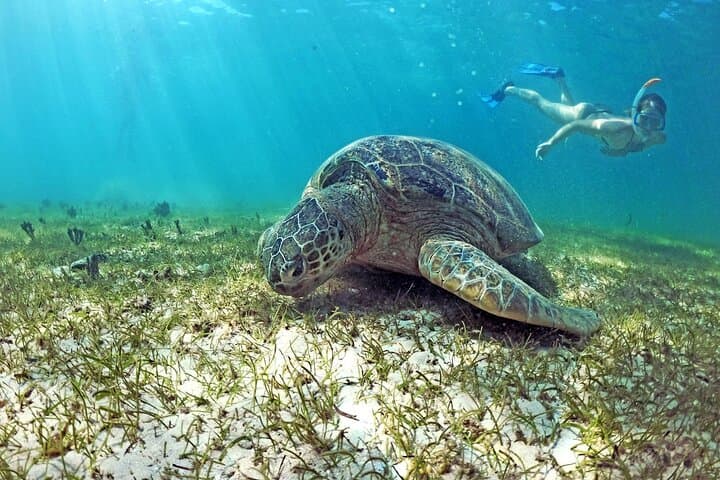
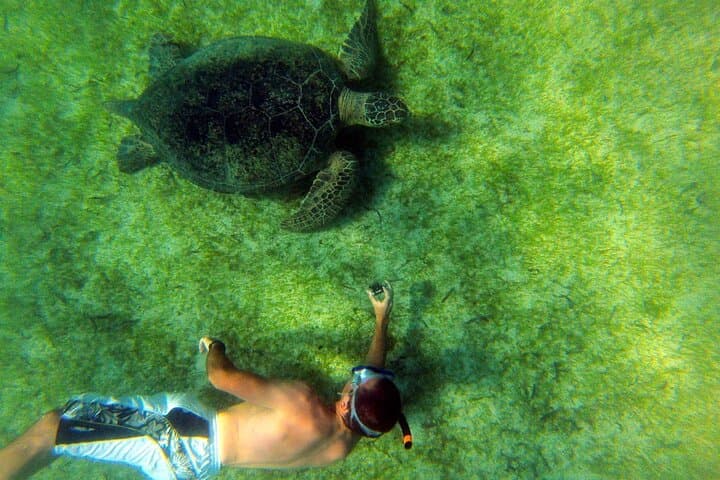
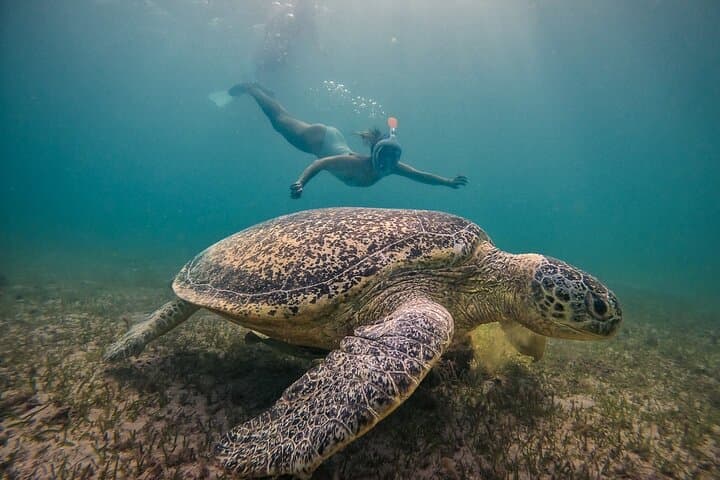
The main draws are immediate and sensory: snorkeling shallow reefs and natural tidal pools beneath the island’s modest Sacred Mountain, and swimming near large, habituated green turtles that graze the seagrass. Expect short beach walks, a gentle climb to overlook a cove, and several water stops for snorkeling and photos.
Practicalities are straightforward. The excursion is a roughly 20-minute boat ride from Nosy Be and lasts about 4–5 hours. Snorkel equipment can be rented locally but bring reef-safe sunscreen and a snug mask if you can. The guide manages anchoring and routes to minimize reef contact; follow rules about not touching turtles or corals. Wear reef shoes for rocky entries, bring water, and time visits for mid-morning or late afternoon when light and sea conditions are calm. For travelers after uncomplicated wildlife encounters and easy walking, Nosy Sakatia delivers clear water, tactile close encounters, and an approachable slice of Madagascar’s coastal ecology.
easy.
4–5 hours.
Suitable for most fitness levels; involves short beach walks, a modest hill climb and multiple snorkel swims.
Approximately 15–25 minutes by motorboat, depending on departure point and sea conditions.
No; life jackets are provided for snorkeling and boat travel, and guides stay near swimmers—basic comfort in the water is sufficient.
Yes, turtles are habituated and often allow close approach, but touching or chasing them is prohibited to avoid stress and injury.
Snorkel gear is usually available to rent on the island; check with the operator if you prefer to bring your own mask and fins.
Nosy Sakatia has long supported small-scale fishing and spice cultivation; sections are protected today to preserve reefs and endemic forest species.
The island’s protected status targets reef and seagrass preservation—visitors should avoid anchoring on coral, use mooring spots, and use reef-safe products.
Julien gasy guy operates guided outdoor trips and adventures with an emphasis on safety, stewardship, and memorable experiences.
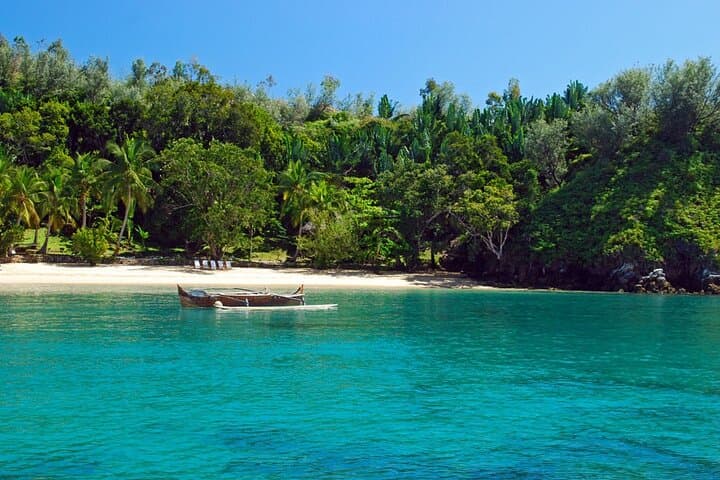
The morning boat cuts a low wake across turquoise water, and Nosy Sakatia rises as a rounded green shoulder against the horizon. Salt air carries the slap of fishermen’s pirogues and the hum of distant village life; palms lean like quiet hosts over pale sand.
The morning boat cuts a low wake across turquoise water, and Nosy Sakatia rises as a rounded green shoulder against the horizon. Salt air carries the slap of fishermen’s pirogues and the hum of distant village life; palms lean like quiet hosts over pale sand.
Geology here is simple and direct: a volcanic backbone cushioned by fringing coral reefs and broad seagrass beds (posidonia) that cradle marine life. The island is a protected reserve—its soils support vanilla and coffee plots tended by families whose rhythms still echo older Malagasy practices. Guides point out orchids, explain traditional boat-building, and lead short forest walks where a shy lemur might peer from the understory.
The main draws are immediate and sensory: snorkeling shallow reefs and natural tidal pools beneath the island’s modest Sacred Mountain, and swimming near large, habituated green turtles that graze the seagrass. Expect short beach walks, a gentle climb to overlook a cove, and several water stops for snorkeling and photos.
Practicalities are straightforward. The excursion is a roughly 20-minute boat ride from Nosy Be and lasts about 4–5 hours. Snorkel equipment can be rented locally but bring reef-safe sunscreen and a snug mask if you can. The guide manages anchoring and routes to minimize reef contact; follow rules about not touching turtles or corals. Wear reef shoes for rocky entries, bring water, and time visits for mid-morning or late afternoon when light and sea conditions are calm. For travelers after uncomplicated wildlife encounters and easy walking, Nosy Sakatia delivers clear water, tactile close encounters, and an approachable slice of Madagascar’s coastal ecology.