THE ADVENTURE COLLECTIVE® · Independent discovery and booking for outdoor travel

Walk into one of Europe’s oldest ritual landscapes at Brú na Bóinne. This day trip combines passage tombs, carved stones, and the historic Boyne battlefield—booked-entry and a steady pair of shoes will make the most of it.
Walk into one of Europe’s oldest ritual landscapes at Brú na Bóinne. This day trip combines passage tombs, carved stones, and the historic Boyne battlefield—booked-entry and a steady pair of shoes will make the most of it.
A low sun cuts across winter grass as visitors step off the coach into a landscape that has been watched for five millennia. The hooded mound of Newgrange sits on a rise above the Boyne, its stone facade facing the river that pushes past fields and hedgerows. Guides lead small groups through the gated enclosure, and the air carries the weight of old stone and older stories.
Verified experiences and guided adventures in the surrounding area.
Operated by Micks tours Belfast shore excursion · Drogheda, County Meath
A low sun cuts across winter grass as visitors step off the coach into a landscape that has been watched for five millennia. The hooded mound of Newgrange sits on a rise above the Boyne, its stone facade facing the river that pushes past fields and hedgerows. Guides lead small groups through the gated enclosure, and the air carries the weight of old stone and older stories.
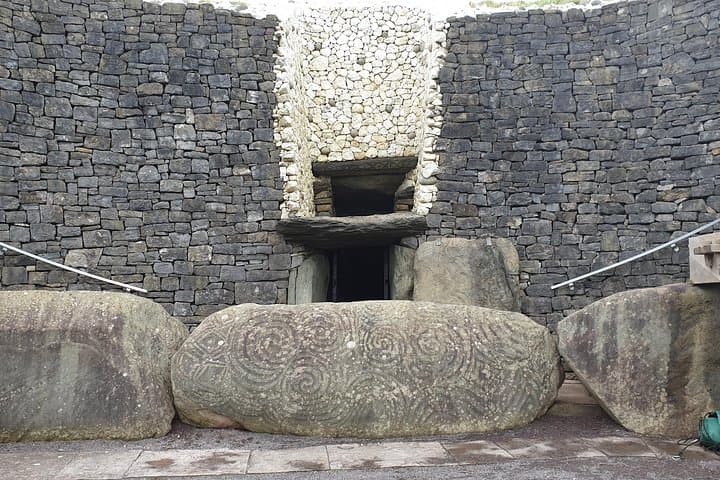
Brú na Bóinne predates Stonehenge and the Pyramids; its passage tombs—Newgrange, Knowth, Dowth—are an archaeological cluster defined by carved kerbstones and carefully aligned passages. The geology is pale limestone and drumlin country: glacially deposited hills that frame the site and channel the river. Nearby Oldbridge House marks the 1690 Battle of the Boyne, where political and religious history reshaped the British Isles.
Culturally, the site remains active—guided tours interpret ritual astronomy, Neolithic burial practices, and medieval reuse of the landscape. Birdsong and the Boyne’s current provide a living counterpoint to the stones; the river dares visitors to consider continuity over conquest.
Practical guidance: prebook timed entry for Newgrange to avoid queues and confirm any included admissions; expect guided portions, indoor confined spaces, and stone steps inside the tomb. Wear sturdy walking shoes, bring a waterproof layer and a reusable water bottle, and allow half a day (4–6 hours) to include Knowth or Oldbridge. If visiting in winter or shoulder seasons, arrive with layers and a plan for limited daylight. Respect paths and interpretation signage—these fragile features are both archaeology and habitat.
easy.
4–8 hours.
Suitable for those with basic mobility—short walks across uneven grass and some steps inside tombs.
Yes—timed-entry tickets are limited and prebooking ensures a spot on the guided tour and access to the passage tomb.
Plan 4–6 hours to visit Newgrange and one other site (Knowth or Oldbridge); some operators offer shorter organized day trips from Dublin or Belfast.
The passage tomb has low, narrow sections and steps; the site provides interpretation for visitors but full accessibility inside the tomb is limited.
Yes—Knowth and Dowth are nearby, and Oldbridge House/Battle of the Boyne is often included; allow extra time and check admissions.
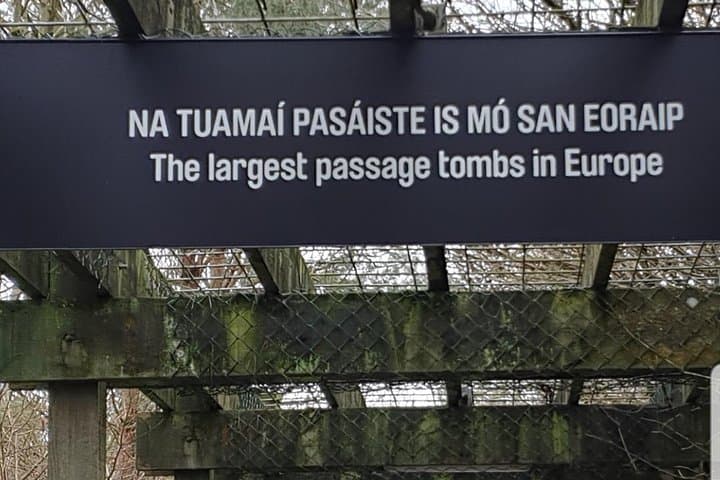
Brú na Bóinne is a Neolithic complex over 5,000 years old; the nearby Oldbridge House marks the 1690 Battle of the Boyne, a pivotal event in Irish and British history.
Visitor numbers are managed with timed tickets and guided entry to protect fragile tomb interiors and carved stone; stick to paths to limit erosion and habitat disturbance.
Micks tours Belfast shore excursion operates guided outdoor trips and adventures with an emphasis on safety, stewardship, and memorable experiences.
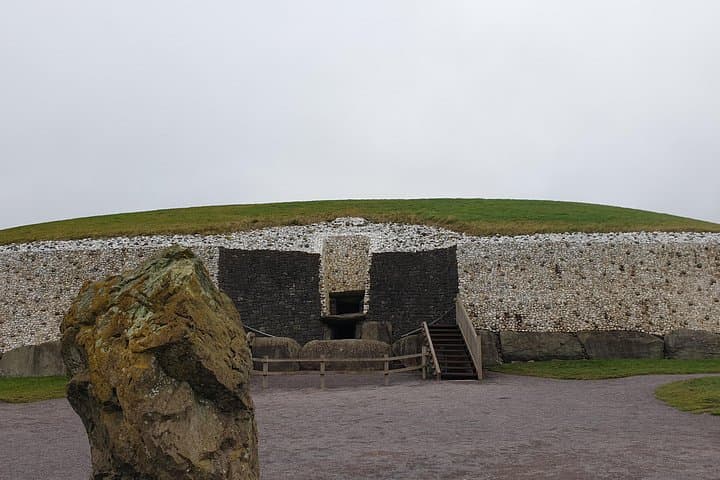
A low sun cuts across winter grass as visitors step off the coach into a landscape that has been watched for five millennia. The hooded mound of Newgrange sits on a rise above the Boyne, its stone facade facing the river that pushes past fields and hedgerows. Guides lead small groups through the gated enclosure, and the air carries the weight of old stone and older stories.
A low sun cuts across winter grass as visitors step off the coach into a landscape that has been watched for five millennia. The hooded mound of Newgrange sits on a rise above the Boyne, its stone facade facing the river that pushes past fields and hedgerows. Guides lead small groups through the gated enclosure, and the air carries the weight of old stone and older stories.
Brú na Bóinne predates Stonehenge and the Pyramids; its passage tombs—Newgrange, Knowth, Dowth—are an archaeological cluster defined by carved kerbstones and carefully aligned passages. The geology is pale limestone and drumlin country: glacially deposited hills that frame the site and channel the river. Nearby Oldbridge House marks the 1690 Battle of the Boyne, where political and religious history reshaped the British Isles.
Culturally, the site remains active—guided tours interpret ritual astronomy, Neolithic burial practices, and medieval reuse of the landscape. Birdsong and the Boyne’s current provide a living counterpoint to the stones; the river dares visitors to consider continuity over conquest.
Practical guidance: prebook timed entry for Newgrange to avoid queues and confirm any included admissions; expect guided portions, indoor confined spaces, and stone steps inside the tomb. Wear sturdy walking shoes, bring a waterproof layer and a reusable water bottle, and allow half a day (4–6 hours) to include Knowth or Oldbridge. If visiting in winter or shoulder seasons, arrive with layers and a plan for limited daylight. Respect paths and interpretation signage—these fragile features are both archaeology and habitat.