THE ADVENTURE COLLECTIVE® · Independent discovery and booking for outdoor travel

Discover Nairobi National Park, the unique wildlife reserve bordering Kenya's capital city. This 4-hour guided safari reveals lions, rhinos, and over 500 bird species amid sweeping savannahs set against Nairobi’s skyline.
Discover Nairobi National Park, the unique wildlife reserve bordering Kenya's capital city. This 4-hour guided safari reveals lions, rhinos, and over 500 bird species amid sweeping savannahs set against Nairobi’s skyline.
On the outskirts of Kenya’s vibrant capital, Nairobi National Park stakes a rare claim as the world’s only wildlife reserve bordering a major city. Within a 4-hour guided tour, visitors traverse open savannahs and acacia woodlands where lions lounge and rhinos trot beneath a skyline of distant skyscrapers. This sharp juxtaposition of urban and wild pulsates through the landscape, reminding travelers how life in Kenya blends the modern with the primal.
Verified experiences and guided adventures in the surrounding area.
Operated by Kairi Tours and Safaris · Nairobi, Nairobi County
On the outskirts of Kenya’s vibrant capital, Nairobi National Park stakes a rare claim as the world’s only wildlife reserve bordering a major city. Within a 4-hour guided tour, visitors traverse open savannahs and acacia woodlands where lions lounge and rhinos trot beneath a skyline of distant skyscrapers. This sharp juxtaposition of urban and wild pulsates through the landscape, reminding travelers how life in Kenya blends the modern with the primal.
Formed in 1946, Nairobi National Park preserves over 28,000 acres of habitat just seven kilometers from downtown Nairobi. Its terrain is a gentle mixture of grassy plains, rugged hills, and seasonal rivers that challenge and course with the rhythms of the dry and rainy seasons alike. The park’s geological profile—dominated by volcanic rocks and rich black soils—supports a rich flora of hardy grasses and drought-resistant trees, creating an environment where key East African species thrive.
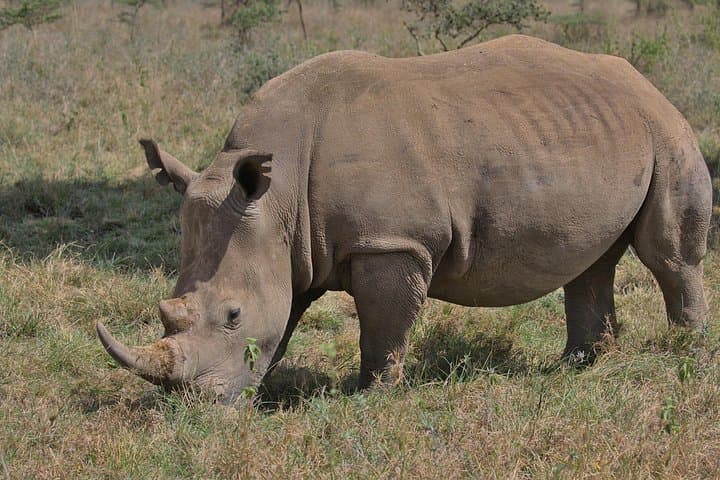
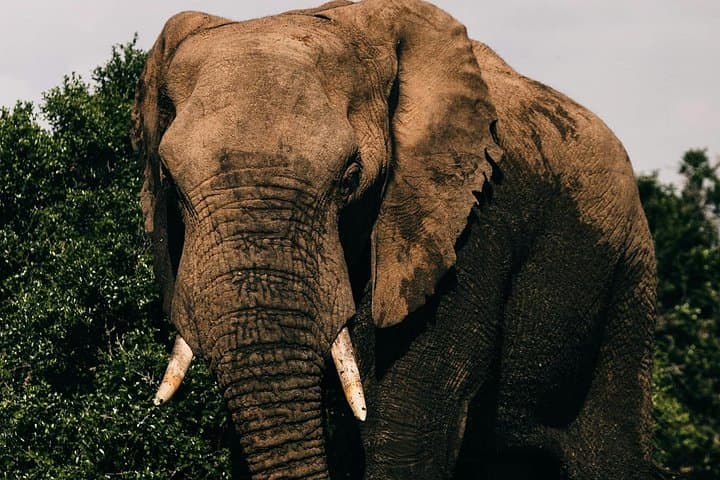
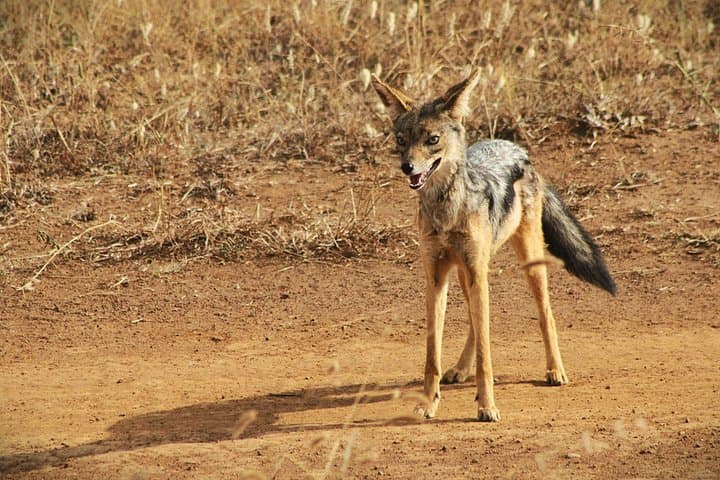
More than 100 mammal species call the park home, including the elusive black rhinoceros, sleek cheetahs, and the iconic African lion. Over 500 bird species often punctuate the sky, joined by bustling troops of olive baboons and vigilant hyenas marking their territory. Among the park’s poignant landmarks is the ivory burning monument, where over 12 tons of confiscated tusks were immolated in a bold statement against poaching—underscoring ongoing local conservation efforts.
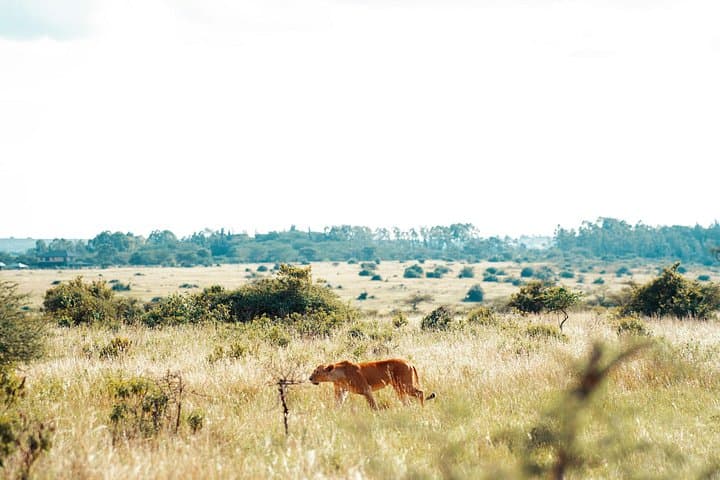
The Nairobi National Park tour typically begins with pickup at central city points, transporting travelers in custom vans equipped with pop-up roofs, perfect for unobstructed wildlife viewing. Guides—steeped in local ecological knowledge—navigate the 28-square-kilometer park, pausing at vantage points for spotting and identifying key animals and birds. The slow pace allows the park’s vibrant ecosystem to unfold: lions stalking through golden grasses, giraffes nibbling on treetops, and hippos wallowing in the park’s shaded waterholes.
For those planning the trip, it’s advisable to wear sturdy, closed-toe footwear suitable for rough terrain, carry plenty of water, and bring sun protection, as midday heat can be intense. The best time to visit runs from June to October during the dry season when animals concentrate around water sources, increasing wildlife sightings. Cameras with telephoto lenses are recommended for capturing distant subjects, while early morning or late afternoon light provides the richest colors.
Nairobi National Park offers a raw, accessible safari experience just beyond urban life, where nature dares you to look closer and recognize the fragile balance between city growth and wilderness preservation. This trip is ideal for travelers seeking an introduction to African wildlife without venturing far from the city’s comforts.
easy.
4 hours.
Suitable for all fitness levels; mostly vehicle-based with minimal walking.
Vehicles stay on designated paths, keeping a safe and respectful distance from animals, with occasional close sightings during calm conditions.
Yes, the tour is family-friendly and suitable for all ages, though supervision during game drives is advised.
Outside food and drinks are generally discouraged; however, you can bring snacks and water for personal use.
There are basic restroom facilities at the park entrance and some designated rest stops during the tour.
The dry season from June to October is ideal as animals gather around limited water sources, improving sighting chances.
The park is highly protected with regular patrols, but visitors are advised to follow guides’ safety instructions at all times.
Nairobi National Park was established in 1946 as Kenya’s first protected area, pioneering efforts to conserve wildlife near the capital city.
The park actively combats poaching and raises awareness through landmarks like the ivory burning monument, promoting wildlife protection among visitors.
Kairi Tours and Safaris operates guided outdoor trips and adventures with an emphasis on safety, stewardship, and memorable experiences.
On the outskirts of Kenya’s vibrant capital, Nairobi National Park stakes a rare claim as the world’s only wildlife reserve bordering a major city. Within a 4-hour guided tour, visitors traverse open savannahs and acacia woodlands where lions lounge and rhinos trot beneath a skyline of distant skyscrapers. This sharp juxtaposition of urban and wild pulsates through the landscape, reminding travelers how life in Kenya blends the modern with the primal.
On the outskirts of Kenya’s vibrant capital, Nairobi National Park stakes a rare claim as the world’s only wildlife reserve bordering a major city. Within a 4-hour guided tour, visitors traverse open savannahs and acacia woodlands where lions lounge and rhinos trot beneath a skyline of distant skyscrapers. This sharp juxtaposition of urban and wild pulsates through the landscape, reminding travelers how life in Kenya blends the modern with the primal.
Formed in 1946, Nairobi National Park preserves over 28,000 acres of habitat just seven kilometers from downtown Nairobi. Its terrain is a gentle mixture of grassy plains, rugged hills, and seasonal rivers that challenge and course with the rhythms of the dry and rainy seasons alike. The park’s geological profile—dominated by volcanic rocks and rich black soils—supports a rich flora of hardy grasses and drought-resistant trees, creating an environment where key East African species thrive.
More than 100 mammal species call the park home, including the elusive black rhinoceros, sleek cheetahs, and the iconic African lion. Over 500 bird species often punctuate the sky, joined by bustling troops of olive baboons and vigilant hyenas marking their territory. Among the park’s poignant landmarks is the ivory burning monument, where over 12 tons of confiscated tusks were immolated in a bold statement against poaching—underscoring ongoing local conservation efforts.
The Nairobi National Park tour typically begins with pickup at central city points, transporting travelers in custom vans equipped with pop-up roofs, perfect for unobstructed wildlife viewing. Guides—steeped in local ecological knowledge—navigate the 28-square-kilometer park, pausing at vantage points for spotting and identifying key animals and birds. The slow pace allows the park’s vibrant ecosystem to unfold: lions stalking through golden grasses, giraffes nibbling on treetops, and hippos wallowing in the park’s shaded waterholes.
For those planning the trip, it’s advisable to wear sturdy, closed-toe footwear suitable for rough terrain, carry plenty of water, and bring sun protection, as midday heat can be intense. The best time to visit runs from June to October during the dry season when animals concentrate around water sources, increasing wildlife sightings. Cameras with telephoto lenses are recommended for capturing distant subjects, while early morning or late afternoon light provides the richest colors.
Nairobi National Park offers a raw, accessible safari experience just beyond urban life, where nature dares you to look closer and recognize the fragile balance between city growth and wilderness preservation. This trip is ideal for travelers seeking an introduction to African wildlife without venturing far from the city’s comforts.