THE ADVENTURE COLLECTIVE® · Independent discovery and booking for outdoor travel

Just outside Nairobi’s city limits, Nairobi National Park presents a rare urban-adjacent wildlife sanctuary. This four-hour game drive offers close-up views of lions, black rhinos, giraffes, and more amid grass plains dotted with kopjes.
Just outside Nairobi’s city limits, Nairobi National Park presents a rare urban-adjacent wildlife sanctuary. This four-hour game drive offers close-up views of lions, black rhinos, giraffes, and more amid grass plains dotted with kopjes.
The early morning sun spills golden light over rolling grass plains where shadows of giraffes stretch long and lazy. Here, just beyond the buzz of Kenya’s capital lies Nairobi National Park, a wildlife sanctuary unlike any other—a landscape where wild predators and gentle herbivores share open terrain mere kilometers from urban high-rises.
Verified experiences and guided adventures in the surrounding area.
Operated by Sabilom Kenya Tours & Safaris · Nairobi, Nairobi County
The early morning sun spills golden light over rolling grass plains where shadows of giraffes stretch long and lazy. Here, just beyond the buzz of Kenya’s capital lies Nairobi National Park, a wildlife sanctuary unlike any other—a landscape where wild predators and gentle herbivores share open terrain mere kilometers from urban high-rises.
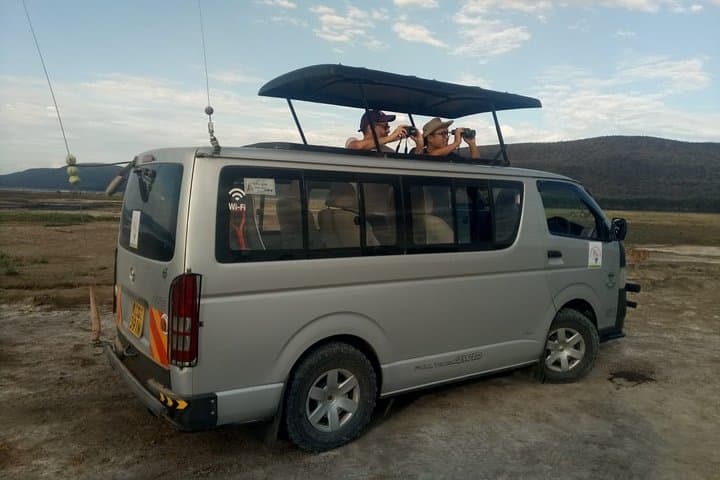
This four-hour game drive invites travelers into a remarkable coexistence of nature and city life. As your customized tour van with a pop-up roof glides along dirt tracks, the grasslands awaken with wildlife activity. Lions lounge under acacia trees, their amber eyes tracking the distant movement of zebras and hartebeests. If fortune favors you, the elusive black rhino—a conservation success story here—might emerge from the shadows; the park’s role as an essential rhino sanctuary has ensured their protection and gradual reintroduction to Kenya’s ecosystems.
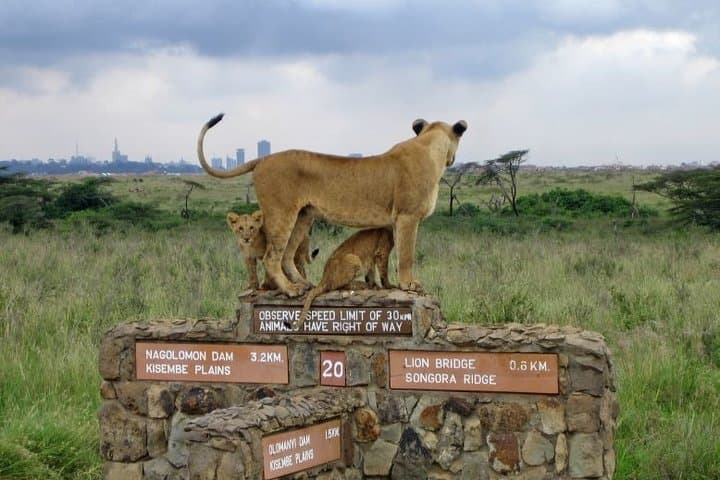
Nairobi National Park is the only protected wildlife area so close to a capital city anywhere in the world. Formed in 1946, this park spans 117 square kilometers of open grass plains, savannah, and rocky outcrops known as kopjes. Its geography acts as a natural bridge beneath the electric skyline, hosting over 400 bird species and more than 50 mammal species including four of the Big Five—lion, leopard, buffalo, and rhino, though elephants are absent here.
The park’s proximity to Nairobi offers a cultural perspective that few other reserves can match. Locals and visitors alike frequent this refuge, blending urban accessibility with genuine wilderness experience. Its conservation efforts have become a vital part of Kenya’s ecological narrative, balancing tourism with habitat preservation.
Practical considerations make the excursion accessible: the drive lasts about four hours and covers varied terrain but requires no specialized physical ability, making it suitable for all fitness levels. Your driver-guide picks you up directly from your Nairobi hotel, ensuring smooth logistics. Expect bumpy trails and occasional dust, so dress in layers and wear comfortable, closed-toe footwear.
Timing your visit early in the morning or late afternoon blooms the most wildlife activity and the best light for photography. Bring binoculars and a camera with a telephoto lens to capture wildlife encounters without disturbing the animals.
Nairobi National Park is an invitation to experience raw nature with the city’s pulse still within earshot, a game drive that challenges conventional ideas of wilderness and delivers unforgettable encounters with Africa’s iconic fauna.
easy.
4 hours.
Suitable for all fitness levels; mostly seated in vehicle with occasional short walks.
No, this tour is designed for all experience levels, including first-time safari visitors.
Yes, but infants must sit on an adult’s lap for safety.
You can expect to see lions, leopards, buffalo, and black rhinos, but elephants aren't present in Nairobi National Park.
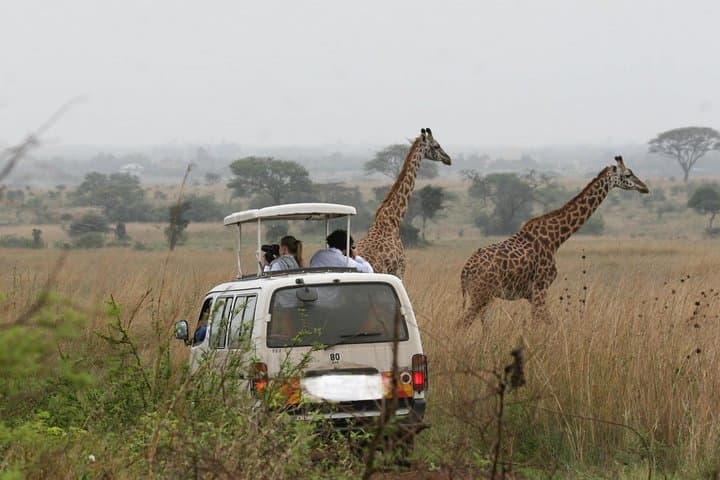
The vehicle's pop-up roof allows safe, close observation, but guides maintain respectful distances to ensure safety and animal comfort.
Yes, the tour involves sitting in the vehicle with occasional short walks; it's accessible to most travelers.
Early morning and late afternoon are peak times for animal activity and photography opportunities.
Established in 1946, Nairobi National Park was set up to preserve wildlife amid growing urban expansion, becoming Africa’s first national park adjacent to a capital city.
Efforts focus on rhino protection and maintaining natural corridors to neighboring reserves, balancing urban proximity with ecosystem health.
Sabilom Kenya Tours & Safaris operates guided outdoor trips and adventures with an emphasis on safety, stewardship, and memorable experiences.
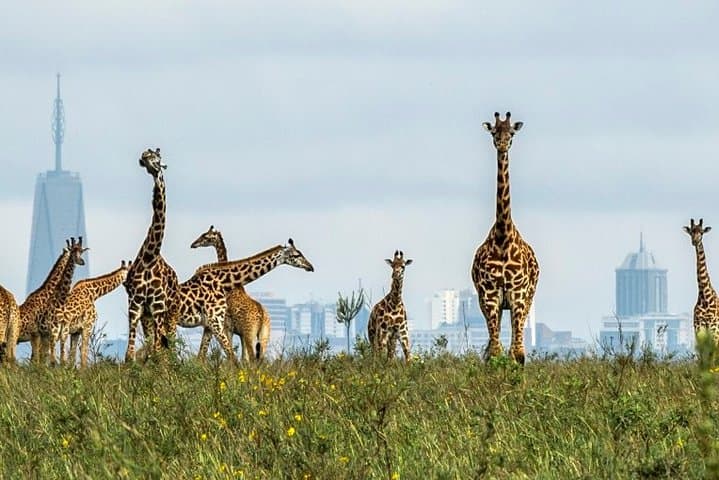
The early morning sun spills golden light over rolling grass plains where shadows of giraffes stretch long and lazy. Here, just beyond the buzz of Kenya’s capital lies Nairobi National Park, a wildlife sanctuary unlike any other—a landscape where wild predators and gentle herbivores share open terrain mere kilometers from urban high-rises.
The early morning sun spills golden light over rolling grass plains where shadows of giraffes stretch long and lazy. Here, just beyond the buzz of Kenya’s capital lies Nairobi National Park, a wildlife sanctuary unlike any other—a landscape where wild predators and gentle herbivores share open terrain mere kilometers from urban high-rises.
This four-hour game drive invites travelers into a remarkable coexistence of nature and city life. As your customized tour van with a pop-up roof glides along dirt tracks, the grasslands awaken with wildlife activity. Lions lounge under acacia trees, their amber eyes tracking the distant movement of zebras and hartebeests. If fortune favors you, the elusive black rhino—a conservation success story here—might emerge from the shadows; the park’s role as an essential rhino sanctuary has ensured their protection and gradual reintroduction to Kenya’s ecosystems.
Nairobi National Park is the only protected wildlife area so close to a capital city anywhere in the world. Formed in 1946, this park spans 117 square kilometers of open grass plains, savannah, and rocky outcrops known as kopjes. Its geography acts as a natural bridge beneath the electric skyline, hosting over 400 bird species and more than 50 mammal species including four of the Big Five—lion, leopard, buffalo, and rhino, though elephants are absent here.
The park’s proximity to Nairobi offers a cultural perspective that few other reserves can match. Locals and visitors alike frequent this refuge, blending urban accessibility with genuine wilderness experience. Its conservation efforts have become a vital part of Kenya’s ecological narrative, balancing tourism with habitat preservation.
Practical considerations make the excursion accessible: the drive lasts about four hours and covers varied terrain but requires no specialized physical ability, making it suitable for all fitness levels. Your driver-guide picks you up directly from your Nairobi hotel, ensuring smooth logistics. Expect bumpy trails and occasional dust, so dress in layers and wear comfortable, closed-toe footwear.
Timing your visit early in the morning or late afternoon blooms the most wildlife activity and the best light for photography. Bring binoculars and a camera with a telephoto lens to capture wildlife encounters without disturbing the animals.
Nairobi National Park is an invitation to experience raw nature with the city’s pulse still within earshot, a game drive that challenges conventional ideas of wilderness and delivers unforgettable encounters with Africa’s iconic fauna.