THE ADVENTURE COLLECTIVE® · Independent discovery and booking for outdoor travel

Nairobi National Park sits just seven kilometers from Kenya’s capital, offering a one-of-a-kind urban safari where lions, giraffes, and rhinos roam beneath a backdrop of skyscrapers. Discover how this unique reserve blends city life with wild adventure—and how to plan your perfect game drive.
Nairobi National Park sits just seven kilometers from Kenya’s capital, offering a one-of-a-kind urban safari where lions, giraffes, and rhinos roam beneath a backdrop of skyscrapers. Discover how this unique reserve blends city life with wild adventure—and how to plan your perfect game drive.
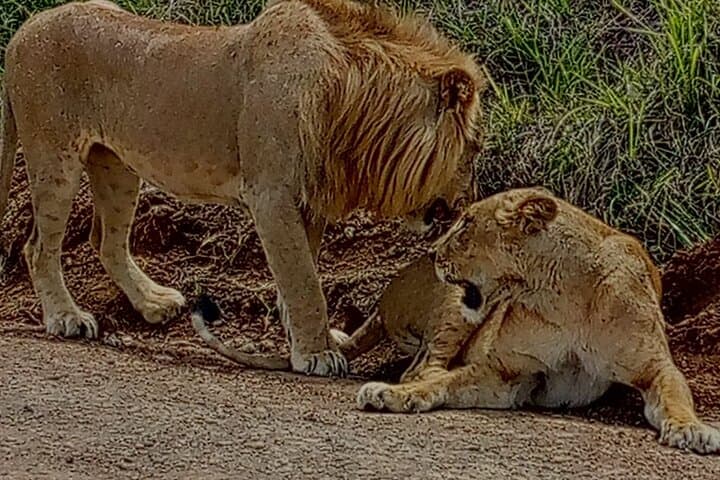
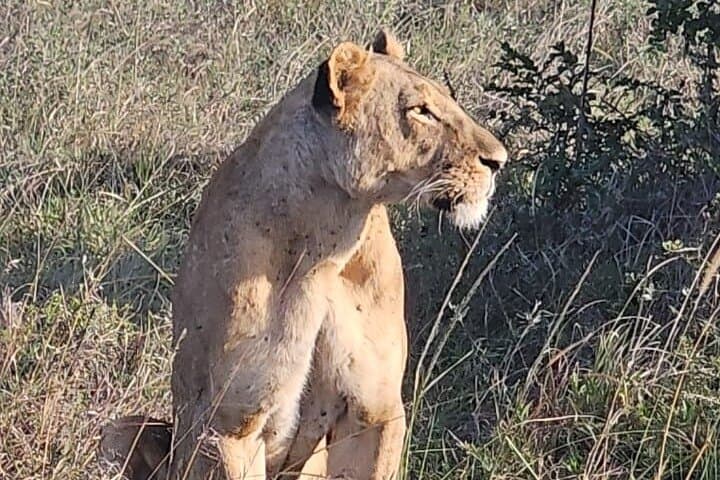
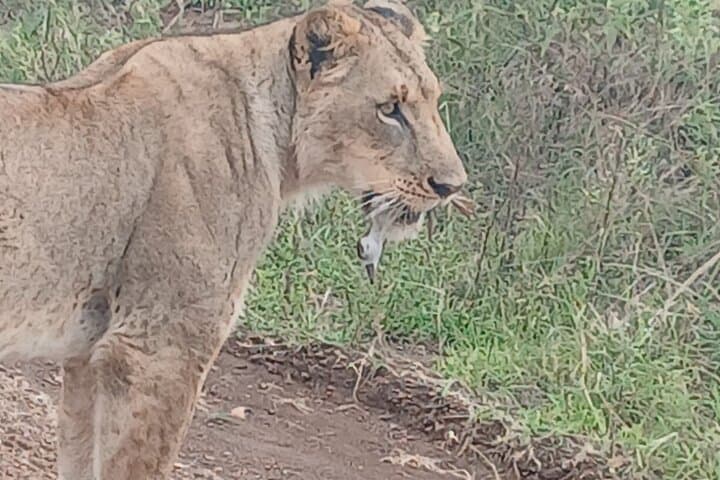
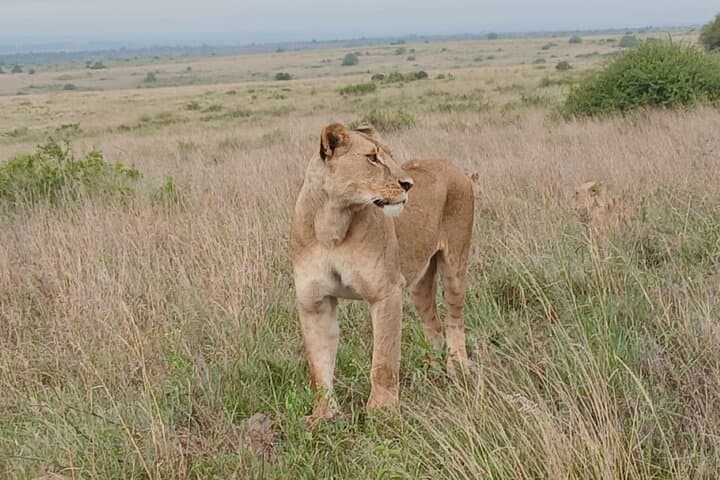
Just a short drive south from the bustling streets of Nairobi, the landscape shifts dramatically. Nairobi National Park spreads across 117 square kilometers of savanna, forest, and wetlands, offering a rare wildlife refuge shadowed by a city skyline. As you glide along dirt tracks in an air-conditioned minivan, lions lounge in the tall grass, giraffes nibble acacia leaves, and zebras gather near watering holes, all with Nairobi’s high-rises looming distantly. This surreal juxtaposition of buzzing urban life and untamed wilderness defines the park’s unique charm.
Verified experiences and guided adventures in the surrounding area.
Operated by Kana Safaris · Nairobi
Just a short drive south from the bustling streets of Nairobi, the landscape shifts dramatically. Nairobi National Park spreads across 117 square kilometers of savanna, forest, and wetlands, offering a rare wildlife refuge shadowed by a city skyline. As you glide along dirt tracks in an air-conditioned minivan, lions lounge in the tall grass, giraffes nibble acacia leaves, and zebras gather near watering holes, all with Nairobi’s high-rises looming distantly. This surreal juxtaposition of buzzing urban life and untamed wilderness defines the park’s unique charm.
Established in 1946, Nairobi National Park holds the distinction of being the first national park established within a capital city. The park preserves a spectrum of East African ecosystems—open plains where rhinos roam, forest patches rich with birdlife, and wetland areas that support over 400 bird species. Conservation efforts here focus on protecting endangered animals, including the black rhino population, amidst ongoing challenges posed by urban encroachment.
Beyond abundant game, the park offers glimpses into Kenya’s complex relationship between development and nature conservation. Visitors are reminded that this vibrant wildlife lives hand-in-hand with a rapidly growing metropolis, underscoring the importance of sustainable coexistence.
The standard game drive lasts about six hours, covering the park’s main habitats with an expert driver-guide who shares insights on the animals, plants, and local efforts to protect this fragile ecosystem. Comfortable seating and bottled water keep you refreshed while cameras are always ready for the occasional cheetah sprint or elephant herd crossing.
Planning your urban safari, it’s best to start early to catch animals during their cooler, more active morning hours. Wear neutral colors, bring sun protection, and pack binoculars and a good camera lens for close-ups. Nairobi’s weather varies little year-round but mornings and evenings can be cool, so layers help. The park is accessible year-round, but the dry months (June to October) generally provide the best game viewing.
This accessible wildlife haven offers an intimate and practical introduction to African safari—the wild calls are close enough to hear, even within a city’s reach. Nairobi National Park dares you to step from skyscrapers into savanna, where the natural and the urban confront and connect in a powerful wildlife encounter.
easy.
6 hours.
Suitable for all fitness levels as the experience is vehicle-based with minimal physical exertion required.
The park is approximately 7 kilometers (4.3 miles) south of Nairobi’s central business district, easily reached within 30 minutes by car depending on traffic.
Yes, the experience is family-friendly and suitable for all ages as it is conducted in a vehicle with expert guides ensuring safety.
Common sightings include lions, giraffes, zebras, rhinos, buffalo, and a variety of birds; however, wildlife is wild and sightings cannot be guaranteed.
No, game drives are conducted exclusively with professional guides for safety and enhanced wildlife interpretation.
For a full refund, you must cancel at least 24 hours before the scheduled departure time.
Bottled water is provided, but it is advisable to bring your own snacks if desired as meals are not included.
Nairobi National Park, established in 1946, was Africa’s first national park located within a capital city, marking a significant step in urban wildlife conservation.
The park plays a key role in protecting endangered species like the black rhino while balancing pressures from Nairobi’s urban expansion.
Kana Safaris operates guided outdoor trips and adventures with an emphasis on safety, stewardship, and memorable experiences.
Just a short drive south from the bustling streets of Nairobi, the landscape shifts dramatically. Nairobi National Park spreads across 117 square kilometers of savanna, forest, and wetlands, offering a rare wildlife refuge shadowed by a city skyline. As you glide along dirt tracks in an air-conditioned minivan, lions lounge in the tall grass, giraffes nibble acacia leaves, and zebras gather near watering holes, all with Nairobi’s high-rises looming distantly. This surreal juxtaposition of buzzing urban life and untamed wilderness defines the park’s unique charm.
Just a short drive south from the bustling streets of Nairobi, the landscape shifts dramatically. Nairobi National Park spreads across 117 square kilometers of savanna, forest, and wetlands, offering a rare wildlife refuge shadowed by a city skyline. As you glide along dirt tracks in an air-conditioned minivan, lions lounge in the tall grass, giraffes nibble acacia leaves, and zebras gather near watering holes, all with Nairobi’s high-rises looming distantly. This surreal juxtaposition of buzzing urban life and untamed wilderness defines the park’s unique charm.
Established in 1946, Nairobi National Park holds the distinction of being the first national park established within a capital city. The park preserves a spectrum of East African ecosystems—open plains where rhinos roam, forest patches rich with birdlife, and wetland areas that support over 400 bird species. Conservation efforts here focus on protecting endangered animals, including the black rhino population, amidst ongoing challenges posed by urban encroachment.
Beyond abundant game, the park offers glimpses into Kenya’s complex relationship between development and nature conservation. Visitors are reminded that this vibrant wildlife lives hand-in-hand with a rapidly growing metropolis, underscoring the importance of sustainable coexistence.
The standard game drive lasts about six hours, covering the park’s main habitats with an expert driver-guide who shares insights on the animals, plants, and local efforts to protect this fragile ecosystem. Comfortable seating and bottled water keep you refreshed while cameras are always ready for the occasional cheetah sprint or elephant herd crossing.
Planning your urban safari, it’s best to start early to catch animals during their cooler, more active morning hours. Wear neutral colors, bring sun protection, and pack binoculars and a good camera lens for close-ups. Nairobi’s weather varies little year-round but mornings and evenings can be cool, so layers help. The park is accessible year-round, but the dry months (June to October) generally provide the best game viewing.
This accessible wildlife haven offers an intimate and practical introduction to African safari—the wild calls are close enough to hear, even within a city’s reach. Nairobi National Park dares you to step from skyscrapers into savanna, where the natural and the urban confront and connect in a powerful wildlife encounter.