THE ADVENTURE COLLECTIVE® · Independent discovery and booking for outdoor travel

Discover Nairobi National Park on a half-day game drive that places you amid lions, leopards, and endangered black rhinos—all framed by the city’s skyline. Experience the wild edge of an urban forest with practical tips for the journey.
Discover Nairobi National Park on a half-day game drive that places you amid lions, leopards, and endangered black rhinos—all framed by the city’s skyline. Experience the wild edge of an urban forest with practical tips for the journey.
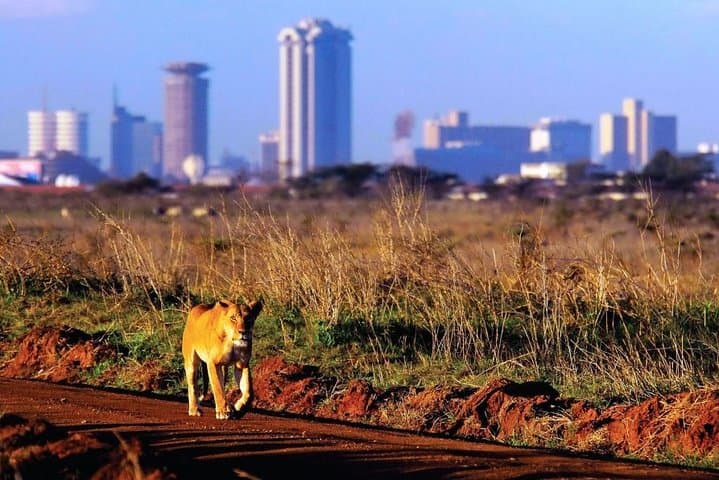
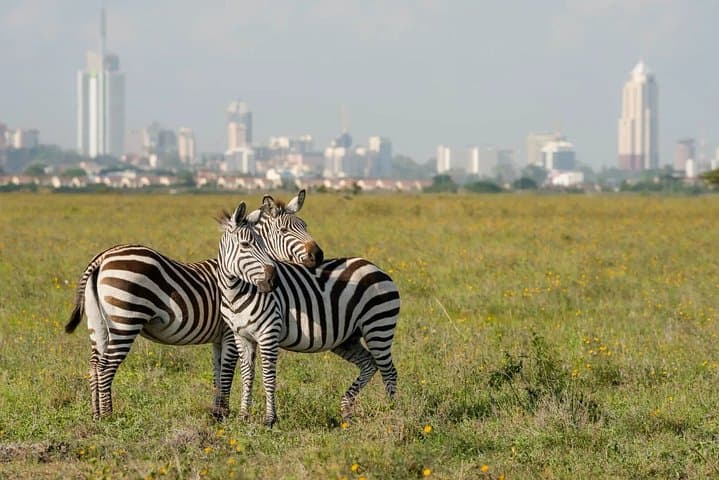
A few miles from the bustling streets and towering skyscrapers of Nairobi, a different world unfolds. Nairobi National Park spreads across vast grass plains, where acacia trees punctuate the horizon and wildlife roams freely against the distant silhouette of the city. This proximity of urban life to wilderness creates a unique tension — nature daring you to look closer, to slow down and witness its raw rhythm.
Verified experiences and guided adventures in the surrounding area.
Operated by Serene East Africa Safaris Limited · Nairobi, Nairobi County
A few miles from the bustling streets and towering skyscrapers of Nairobi, a different world unfolds. Nairobi National Park spreads across vast grass plains, where acacia trees punctuate the horizon and wildlife roams freely against the distant silhouette of the city. This proximity of urban life to wilderness creates a unique tension — nature daring you to look closer, to slow down and witness its raw rhythm.
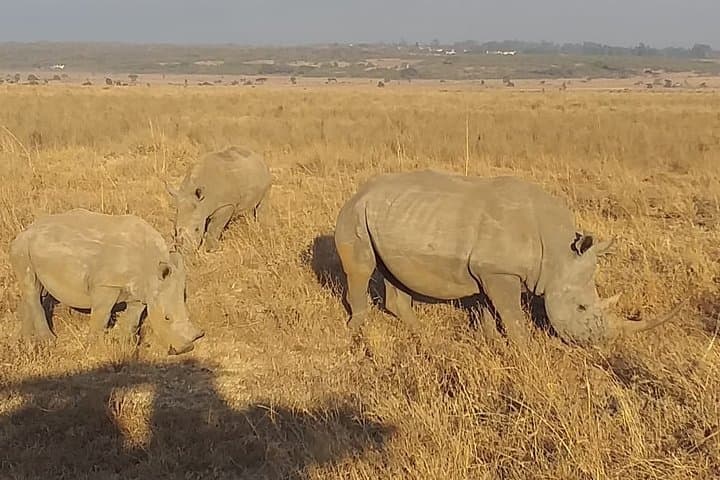
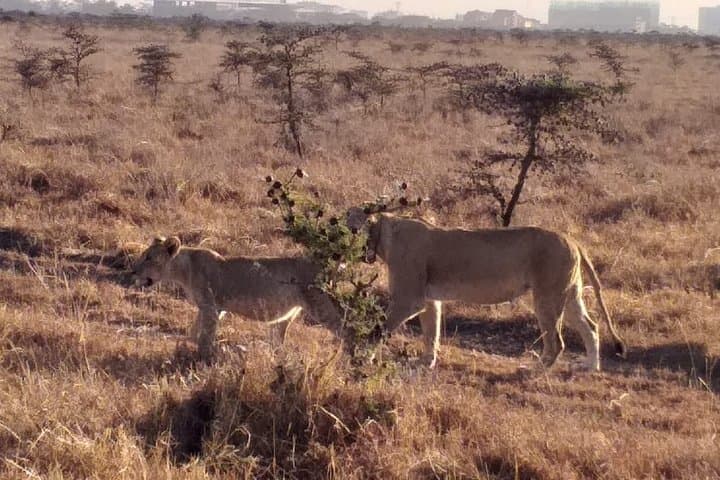
The park, established in 1946, is one of the only places in the world where you can track endangered black rhinos, lions, leopards, and cheetahs with city skyscrapers in the background. Its open savannahs also shelter buffaloes and giraffes, while over 400 bird species make their home here, filling the air with an evolving chorus. This ecosystem sits on ancient volcanic soils shaped by shifting tectonics, their iron-rich earth soaking up the sun and feeding sparse grasses that ripple beneath the acacia’s shade.
Local Maasai communities have long respected and lived alongside these lands, weaving cultural stories that speak to the balance between wildlife and human life. Today, conservation efforts focus on protecting these fragile populations from the encroaching pressures of urban expansion and poaching, ensuring visitors can engage with a well-managed ecosystem that still feels wild.
The half-day game drive, lasting around three to four hours, gives travelers a close-up view of the animals and landscape. Expert guides navigate dirt roads that traverse open plains and patches of woodland, pointing out signs of elusive predators or distant herds. The terrain is generally flat and accessible, making for a smooth ride in a safari vehicle with ample opportunity to pause for photographs.
Timing your visit in the early morning or late afternoon maximizes wildlife sightings as animals gather near waterholes or emerge from shade. Bring sturdy footwear if you plan to explore walking trails or picnic areas within the park afterward, and stay hydrated — the African sun quickly warms the open spaces. Binoculars and camera with zoom lenses enhance the experience, letting you capture lions lounging lazily or giraffes nibbling leaves against the cityscape.
Access is straightforward with hotel pickups arranged, simplifying logistics for visitors staying in Nairobi. Park fees cover both entry and transport, with bottled drinking water included for comfort on the drive. While the safari is approachable for those with moderate fitness, travelers with spinal issues should take caution due to occasional vehicle bumps.
Nairobi National Park offers a rare meeting place where wilderness pushes against urban life, inviting adventurers to witness Africa’s iconic species just beyond the city limits.
moderate.
3–4 hours.
Suitable for travelers in moderate physical condition; can handle light vehicle movement and brief walks.
Vehicles maintain a safe distance, but you can expect close views of large mammals and birds along the drive.
Yes, children can enjoy the park, but supervision is essential due to wildlife presence and vehicle safety.
Bottled water is included, but packing snacks is recommended as the drive may be lengthy.
Limited walking trails exist near picnic and campsite areas, but most wildlife viewing is done by vehicle.
Wear lightweight clothing in natural tones, sun protection, and comfortable shoes suitable for vehicle rides and short walks.
Some areas are accessible, but the terrain and vehicle rides may not be suitable for all travelers with mobility challenges.
Founded in 1946, Nairobi National Park was Africa’s first national park to be located within a capital city’s boundaries.
Ongoing anti-poaching patrols and community engagement programs help protect endangered species and balance human-wildlife interaction.
Serene East Africa Safaris Limited operates guided outdoor trips and adventures with an emphasis on safety, stewardship, and memorable experiences.
A few miles from the bustling streets and towering skyscrapers of Nairobi, a different world unfolds. Nairobi National Park spreads across vast grass plains, where acacia trees punctuate the horizon and wildlife roams freely against the distant silhouette of the city. This proximity of urban life to wilderness creates a unique tension — nature daring you to look closer, to slow down and witness its raw rhythm.
A few miles from the bustling streets and towering skyscrapers of Nairobi, a different world unfolds. Nairobi National Park spreads across vast grass plains, where acacia trees punctuate the horizon and wildlife roams freely against the distant silhouette of the city. This proximity of urban life to wilderness creates a unique tension — nature daring you to look closer, to slow down and witness its raw rhythm.
The park, established in 1946, is one of the only places in the world where you can track endangered black rhinos, lions, leopards, and cheetahs with city skyscrapers in the background. Its open savannahs also shelter buffaloes and giraffes, while over 400 bird species make their home here, filling the air with an evolving chorus. This ecosystem sits on ancient volcanic soils shaped by shifting tectonics, their iron-rich earth soaking up the sun and feeding sparse grasses that ripple beneath the acacia’s shade.
Local Maasai communities have long respected and lived alongside these lands, weaving cultural stories that speak to the balance between wildlife and human life. Today, conservation efforts focus on protecting these fragile populations from the encroaching pressures of urban expansion and poaching, ensuring visitors can engage with a well-managed ecosystem that still feels wild.
The half-day game drive, lasting around three to four hours, gives travelers a close-up view of the animals and landscape. Expert guides navigate dirt roads that traverse open plains and patches of woodland, pointing out signs of elusive predators or distant herds. The terrain is generally flat and accessible, making for a smooth ride in a safari vehicle with ample opportunity to pause for photographs.
Timing your visit in the early morning or late afternoon maximizes wildlife sightings as animals gather near waterholes or emerge from shade. Bring sturdy footwear if you plan to explore walking trails or picnic areas within the park afterward, and stay hydrated — the African sun quickly warms the open spaces. Binoculars and camera with zoom lenses enhance the experience, letting you capture lions lounging lazily or giraffes nibbling leaves against the cityscape.
Access is straightforward with hotel pickups arranged, simplifying logistics for visitors staying in Nairobi. Park fees cover both entry and transport, with bottled drinking water included for comfort on the drive. While the safari is approachable for those with moderate fitness, travelers with spinal issues should take caution due to occasional vehicle bumps.
Nairobi National Park offers a rare meeting place where wilderness pushes against urban life, inviting adventurers to witness Africa’s iconic species just beyond the city limits.