THE ADVENTURE COLLECTIVE® · Independent discovery and booking for outdoor travel

Discover Nairobi National Park, a rare wildlife sanctuary just minutes from Kenya’s bustling capital. Experience lions, rhinos, and giraffes roaming against the city skyline in this one-of-a-kind urban safari.
Discover Nairobi National Park, a rare wildlife sanctuary just minutes from Kenya’s bustling capital. Experience lions, rhinos, and giraffes roaming against the city skyline in this one-of-a-kind urban safari.
At the edge of Nairobi’s urban sprawl, where concrete skyscrapers stretch their shadows over the horizon, Nairobi National Park pulses with raw African wilderness. Just seven kilometers from the city center, this protected reserve is a rare convergence of city life and wild savanna, daring visitors to witness lions, rhinos, giraffes, and more roam against an unexpected backdrop of modernity.
Verified experiences and guided adventures in the surrounding area.
Operated by Wild Streamer Tours & Travel Safaris · Nairobi, Nairobi County
At the edge of Nairobi’s urban sprawl, where concrete skyscrapers stretch their shadows over the horizon, Nairobi National Park pulses with raw African wilderness. Just seven kilometers from the city center, this protected reserve is a rare convergence of city life and wild savanna, daring visitors to witness lions, rhinos, giraffes, and more roam against an unexpected backdrop of modernity.
Established in 1946, Nairobi National Park holds the distinction of being Kenya’s first national park. Its establishment marked a critical move to preserve native wildlife amid Kenya’s rapidly expanding capital. The park spans approximately 117 square kilometers and offers a mix of open grasslands, broken bush country, rocky valleys, and sections of highland forest. This mosaic of habitats invites a diversity of species to live side by side, making it a compelling destination for wildlife viewing.
What sets Nairobi National Park apart is its seamless coexistence with urban life. The skyline, typically a symbol of human innovation, becomes an unexpected frame for elephant herds and prides of lions. The park protects four of the Big Five animals—lion, leopard, buffalo, and rhino—with elephants notably absent due to fencing measures. Birdwatchers can revel in more than 300 species, some caught mid-flight and daring travelers to keep pace.
Practical logistics make the experience accessible: tours typically span about six hours, counting on convenient hotel pickup and drop-off within Nairobi. Vehicles are air-conditioned, providing relief from the equatorial sun, and bottled water is included to keep you hydrated as the equatorial heat presses down. The terrain is mostly flat savanna and open plains, requiring no special technical skills or strenuous fitness levels, so even first-time safari-goers can enjoy the outing.
To maximize sightings, early morning departures are advised when animals are most active and temperatures cooler. Wildlife often gathers near water sources where currents of life pulse visibly during the dry season. Cameras are a must, ideally with zoom lenses to capture lions lounging beneath acacia trees or rhinos wallowing in mud.
Beyond the wildlife, the park represents a conservation success story within a rapidly urbanizing environment. Efforts focus on habitat preservation and mitigating human-wildlife conflict, critical as Nairobi’s population grows.
Nairobi National Park offers a distinctly Kenyan adventure where the pulse of wild Africa meets the heartbeat of an energetic city. It challenges travelers to engage with nature’s resilience and adaptability, all within the reach of Nairobi’s vibrant urban core.
easy.
5–6 hours.
Suitable for all fitness levels; minimal walking with most viewing done from the vehicle.
The park is located about 7 kilometers (4.3 miles) from Nairobi’s city center, making it one of the closest national parks to an urban area worldwide.
The park is home to lions, leopards, buffaloes, and rhinos, but elephants are generally not present due to fencing and habitat restrictions.
Yes, the tours use air-conditioned vehicles to ensure comfort during drives through the park.
No special skills or high fitness levels are required since most wildlife spotting occurs from the vehicle on relatively flat terrain.
Yes, convenient hotel pickup and drop-off options are included with most tours operating from Nairobi.
Dry seasons from June to October and December to February offer better wildlife visibility due to sparse vegetation and animals gathering near waterholes.
Designated in 1946, Nairobi National Park was Kenya’s first national park, pioneering conservation near the growing capital city.
The park emphasizes coexistence between wildlife and urban development, with ongoing efforts to manage human-wildlife boundaries and habitat preservation.
Wild Streamer Tours & Travel Safaris operates guided outdoor trips and adventures with an emphasis on safety, stewardship, and memorable experiences.
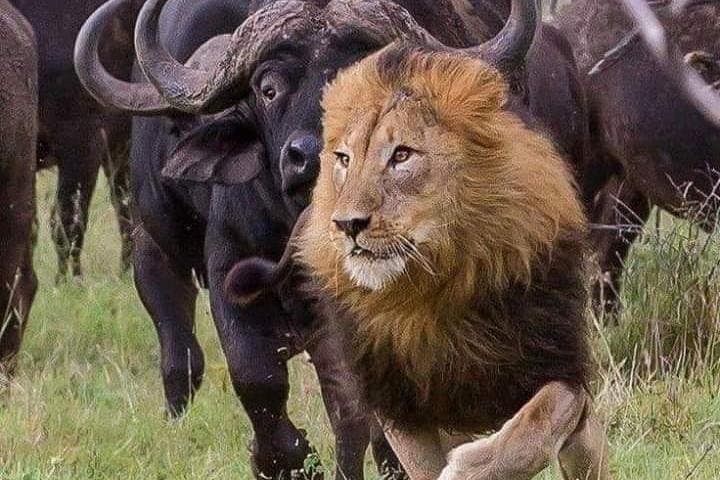
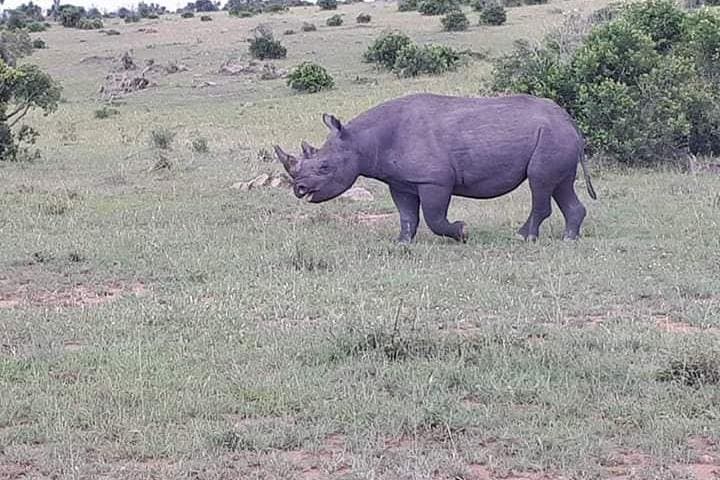
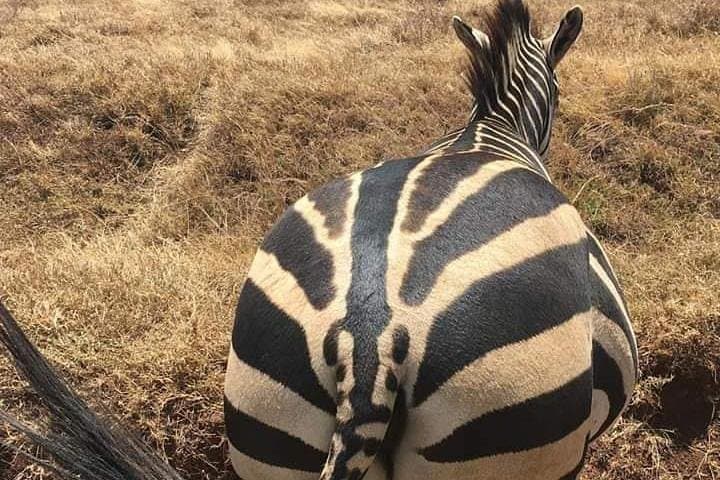
At the edge of Nairobi’s urban sprawl, where concrete skyscrapers stretch their shadows over the horizon, Nairobi National Park pulses with raw African wilderness. Just seven kilometers from the city center, this protected reserve is a rare convergence of city life and wild savanna, daring visitors to witness lions, rhinos, giraffes, and more roam against an unexpected backdrop of modernity.
At the edge of Nairobi’s urban sprawl, where concrete skyscrapers stretch their shadows over the horizon, Nairobi National Park pulses with raw African wilderness. Just seven kilometers from the city center, this protected reserve is a rare convergence of city life and wild savanna, daring visitors to witness lions, rhinos, giraffes, and more roam against an unexpected backdrop of modernity.
Established in 1946, Nairobi National Park holds the distinction of being Kenya’s first national park. Its establishment marked a critical move to preserve native wildlife amid Kenya’s rapidly expanding capital. The park spans approximately 117 square kilometers and offers a mix of open grasslands, broken bush country, rocky valleys, and sections of highland forest. This mosaic of habitats invites a diversity of species to live side by side, making it a compelling destination for wildlife viewing.
What sets Nairobi National Park apart is its seamless coexistence with urban life. The skyline, typically a symbol of human innovation, becomes an unexpected frame for elephant herds and prides of lions. The park protects four of the Big Five animals—lion, leopard, buffalo, and rhino—with elephants notably absent due to fencing measures. Birdwatchers can revel in more than 300 species, some caught mid-flight and daring travelers to keep pace.
Practical logistics make the experience accessible: tours typically span about six hours, counting on convenient hotel pickup and drop-off within Nairobi. Vehicles are air-conditioned, providing relief from the equatorial sun, and bottled water is included to keep you hydrated as the equatorial heat presses down. The terrain is mostly flat savanna and open plains, requiring no special technical skills or strenuous fitness levels, so even first-time safari-goers can enjoy the outing.
To maximize sightings, early morning departures are advised when animals are most active and temperatures cooler. Wildlife often gathers near water sources where currents of life pulse visibly during the dry season. Cameras are a must, ideally with zoom lenses to capture lions lounging beneath acacia trees or rhinos wallowing in mud.
Beyond the wildlife, the park represents a conservation success story within a rapidly urbanizing environment. Efforts focus on habitat preservation and mitigating human-wildlife conflict, critical as Nairobi’s population grows.
Nairobi National Park offers a distinctly Kenyan adventure where the pulse of wild Africa meets the heartbeat of an energetic city. It challenges travelers to engage with nature’s resilience and adaptability, all within the reach of Nairobi’s vibrant urban core.