THE ADVENTURE COLLECTIVE® · Independent discovery and booking for outdoor travel

A full-day escape from Addis Ababa into one of Africa’s oldest protected woodlands. Menagesha Suba offers forest trails, birding, and a slice of Ethiopian highland history packed into an accessible day hike.
A full-day escape from Addis Ababa into one of Africa’s oldest protected woodlands. Menagesha Suba offers forest trails, birding, and a slice of Ethiopian highland history packed into an accessible day hike.
You step out of the air-conditioned van and the city’s hum thins to a hush. The forest takes over immediately—tall junipers and olive-like acacias shading a path where daylight pools and a thin stream dares you to follow it deeper. Menagesha Suba Forest Park feels older than the modern capital it guards; the trunks are thick with age and the air has a cool, loamy bite.
Verified experiences and guided adventures in the surrounding area.
Operated by Enter Ethiopia Tour Operator · Addis Ababa, Oromia
You step out of the air-conditioned van and the city’s hum thins to a hush. The forest takes over immediately—tall junipers and olive-like acacias shading a path where daylight pools and a thin stream dares you to follow it deeper. Menagesha Suba Forest Park feels older than the modern capital it guards; the trunks are thick with age and the air has a cool, loamy bite.
This is one of Africa’s oldest protected woodlands, a royal preserve since the reign of Emperor Zera Yacob in the 15th century. The park sits on the western rim of the Ethiopian highlands where volcanic ash and ancient lava flows left behind layered soils and rocky outcrops. Trails thread between ridgelines and stream gullies; where the canopy opens, you get views across cultivated plains toward Addis Ababa’s distant skyline.
Culture here is quiet but present: shepherds move on seasonal routes, and stone footpaths and old beacons recall the forest’s role as crown land and a hunting ground for Shewan rulers. Botanically it’s varied—juniper, African olive, and patches of Hagenia—so birdlife is rich. Expect to hear the call of White-cheeked Turacos and spot Abyssinian thrushes; small mammals and hyraxes use the rocky ledges to watch hikers pass.
The tour is a practical, full-day outing—expect 9–10 hours including transport from Addis, a guided hike, and lunch at a clearing or picnic spot. The walking route in the park is typically 8–10 km round trip with roughly 300–500 m of cumulative elevation gain depending on the circuit you choose; terrain is mostly packed dirt singletrack, root-strewn in places and slippery after rain. Trails can be steep on the ridgelines and easier along the stream valleys.
Plan for highland sun and quick weather shifts: bring layers, a rain shell, sturdy trail shoes, at least 2 liters of water, and binoculars for birds. Guides offer local context—identifying birds, plants, and the historical markers that dot the walks—and they’ll point out quieter sidetracks where the forest feels entirely yours.
Timing matters: early morning hikes deliver cooler air and active birds; late afternoon has softer light for photos and calmer hiking temperatures. The park is accessible year-round, but the dry months make trails less muddy; the wet season intensifies greenery and fills streams but can hide roots and rocks.
For travelers based in Addis Ababa this day trip is an easy wild escape—not a remote expedition but an immediate, rewarding immersion in highland forest ecology and history. Whether you’re after birds, a moderate day-hike, or a cultural snapshot of Ethiopia’s protected landscapes, Menagesha Suba gives you layered terrain, a long lineage, and enough solitude to hear your own footsteps again.
moderate.
9–10 hours (includes transport and lunch).
Moderate fitness: comfortable walking 3–5 hours with some sustained climbs and uneven terrain.
Typical guided routes cover 8–10 km round trip on mixed terrain, taking 3–5 hours depending on stops and birdwatching.
Yes—the tour listing includes all park fees and taxes as part of the package.
Driving time is roughly 45–60 minutes from central Addis depending on traffic; the tour uses an air-conditioned vehicle for transfers.
The parking and some picnic areas are wheelchair accessible, but most forest trails are uneven and not suitable for wheelchairs.
Early morning in the dry months (October–February) offers the best bird activity and clearer trails for walking.
The tour is family-friendly but not recommended for pregnant travelers or those with serious heart conditions; check the operator’s guidelines for children’s age limits.
Menagesha Suba has been protected since the 15th century under Emperor Zera Yacob and later served as crown land for Shewan rulers, giving it longstanding cultural and political significance in the highlands.
Local guides emphasize low-impact visits; stick to marked trails to protect understory regeneration and nesting birds, and avoid collecting any plants or wood.
Enter Ethiopia Tour Operator operates guided outdoor trips and adventures with an emphasis on safety, stewardship, and memorable experiences.
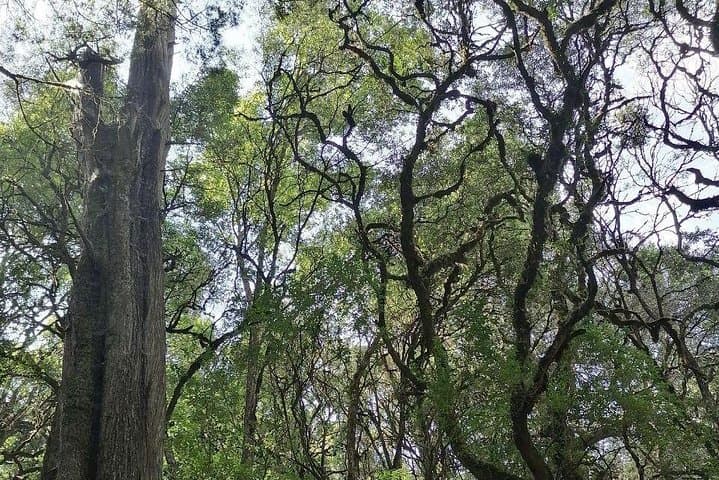
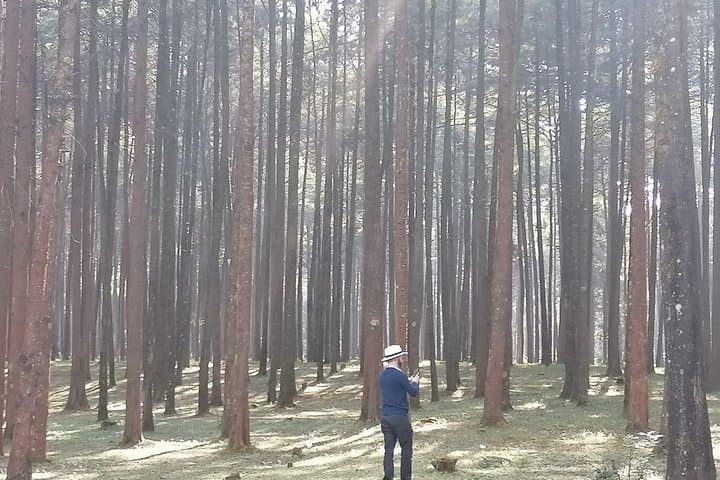
You step out of the air-conditioned van and the city’s hum thins to a hush. The forest takes over immediately—tall junipers and olive-like acacias shading a path where daylight pools and a thin stream dares you to follow it deeper. Menagesha Suba Forest Park feels older than the modern capital it guards; the trunks are thick with age and the air has a cool, loamy bite.
You step out of the air-conditioned van and the city’s hum thins to a hush. The forest takes over immediately—tall junipers and olive-like acacias shading a path where daylight pools and a thin stream dares you to follow it deeper. Menagesha Suba Forest Park feels older than the modern capital it guards; the trunks are thick with age and the air has a cool, loamy bite.
This is one of Africa’s oldest protected woodlands, a royal preserve since the reign of Emperor Zera Yacob in the 15th century. The park sits on the western rim of the Ethiopian highlands where volcanic ash and ancient lava flows left behind layered soils and rocky outcrops. Trails thread between ridgelines and stream gullies; where the canopy opens, you get views across cultivated plains toward Addis Ababa’s distant skyline.
Culture here is quiet but present: shepherds move on seasonal routes, and stone footpaths and old beacons recall the forest’s role as crown land and a hunting ground for Shewan rulers. Botanically it’s varied—juniper, African olive, and patches of Hagenia—so birdlife is rich. Expect to hear the call of White-cheeked Turacos and spot Abyssinian thrushes; small mammals and hyraxes use the rocky ledges to watch hikers pass.
The tour is a practical, full-day outing—expect 9–10 hours including transport from Addis, a guided hike, and lunch at a clearing or picnic spot. The walking route in the park is typically 8–10 km round trip with roughly 300–500 m of cumulative elevation gain depending on the circuit you choose; terrain is mostly packed dirt singletrack, root-strewn in places and slippery after rain. Trails can be steep on the ridgelines and easier along the stream valleys.
Plan for highland sun and quick weather shifts: bring layers, a rain shell, sturdy trail shoes, at least 2 liters of water, and binoculars for birds. Guides offer local context—identifying birds, plants, and the historical markers that dot the walks—and they’ll point out quieter sidetracks where the forest feels entirely yours.
Timing matters: early morning hikes deliver cooler air and active birds; late afternoon has softer light for photos and calmer hiking temperatures. The park is accessible year-round, but the dry months make trails less muddy; the wet season intensifies greenery and fills streams but can hide roots and rocks.
For travelers based in Addis Ababa this day trip is an easy wild escape—not a remote expedition but an immediate, rewarding immersion in highland forest ecology and history. Whether you’re after birds, a moderate day-hike, or a cultural snapshot of Ethiopia’s protected landscapes, Menagesha Suba gives you layered terrain, a long lineage, and enough solitude to hear your own footsteps again.