THE ADVENTURE COLLECTIVE® · Independent discovery and booking for outdoor travel

Spend a full day exploring eastern Cyprus’s layered past — from the icon-filled silence of St. Barnabas to the open ruins of Salamis and the eerie streets of Varosha. This private tour blends archaeology, medieval architecture and modern history into a single, walkable itinerary.
Spend a full day exploring eastern Cyprus’s layered past — from the icon-filled silence of St. Barnabas to the open ruins of Salamis and the eerie streets of Varosha. This private tour blends archaeology, medieval architecture and modern history into a single, walkable itinerary.
You step off the minivan into a city whose stones still argue with time — a bluff of Gothic arches, a broad cathedral-turned-mosque and the slow, dry press of the Mediterranean air. The day stretches east across coastal plain and olive groves to St. Barnabas, then forward through the open ruin-fields of Salamis and the walled streets of Famagusta before a final walk through Varosha’s quiet façades.
Verified experiences and guided adventures in the surrounding area.
Operated by Sirin Suha · Famagusta, Famagusta District
You step off the minivan into a city whose stones still argue with time — a bluff of Gothic arches, a broad cathedral-turned-mosque and the slow, dry press of the Mediterranean air. The day stretches east across coastal plain and olive groves to St. Barnabas, then forward through the open ruin-fields of Salamis and the walled streets of Famagusta before a final walk through Varosha’s quiet façades.
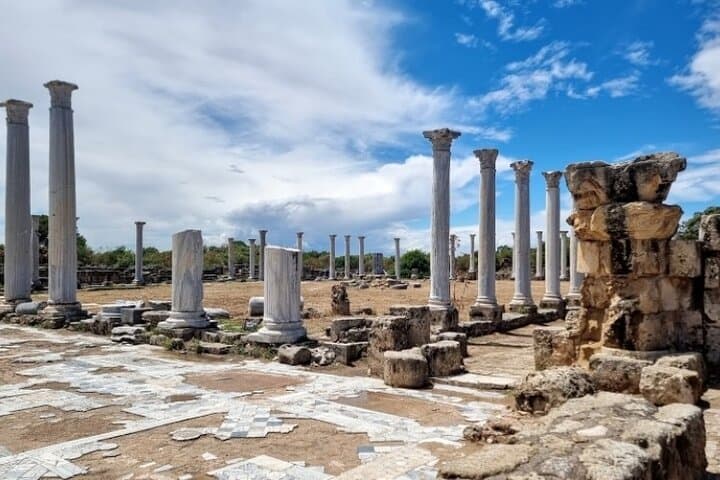
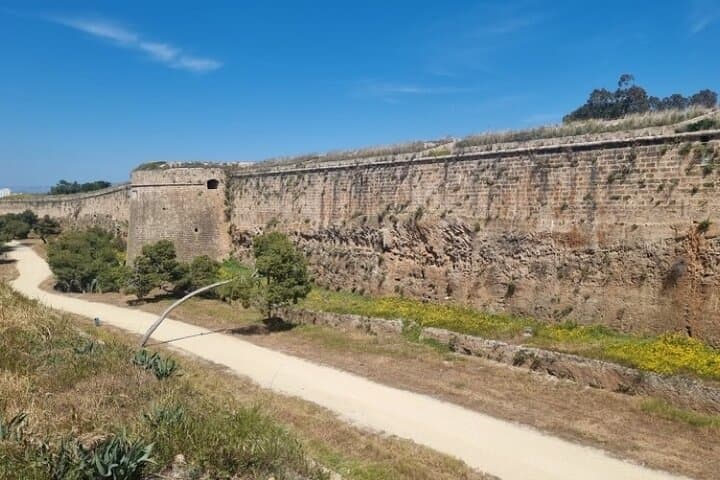
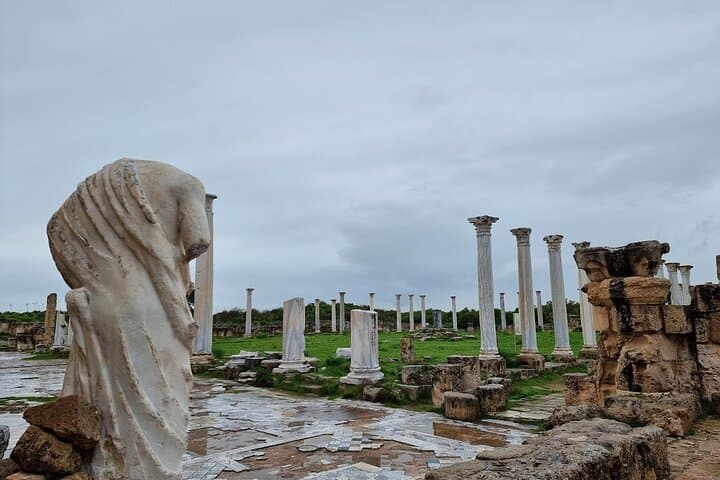
St. Barnabas Monastery marks the morning: a small cemetery and icon museum that frame the story of a 1st-century missionary whose tomb shaped local devotion. Salamis, founded in antiquity, lays out its Roman theatre, baths and gymnasium as practical reminders of Greco-Roman life and seismic geology that lifted and shifted the coastline over millennia. Famagusta itself records Lusignan, Venetian and Ottoman layers — Gothic cathedral arches, Venetian palaces and the minaret added after conquest.
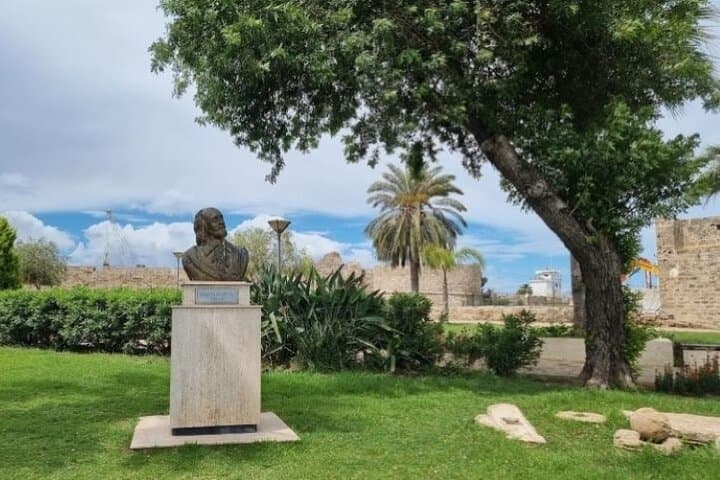
Expect cobbled streets, exposed ruins with uneven footing and a mix of shaded alleys and open sea views. Guides weave local tales — prisoners turned poets, medieval sieges and the more recent, frozen history of Varosha’s abandonment and partial reopening.
Practical guidance: this private, full-day tour runs about seven hours with site admissions included; moderate fitness is required for walking and short climbs. Bring sun protection and a refillable bottle, wear sturdy walking shoes for loose stones, and plan for early light to avoid crowds at the ruins. Photography is excellent; keep currency and ID handy for small admissions or refreshment stops.
moderate.
7 hours.
Moderate — able to walk 3–5 miles on uneven terrain with short stair sections
Pickup is offered from selected hotels in Kyrenia, Nicosia or Famagusta; other pickup points may incur an extra charge.
Yes — the tour includes tickets for the listed historical sites as part of the itinerary.
Children can join; infant seats are available, but travelers should still be able to manage walking on uneven ground.
Photography is generally allowed at outdoor ruins and exteriors; follow guide instructions for any restricted interior spaces.
Famagusta became a wealthy Mediterranean port under Venetian rule and later served as a place of exile during Ottoman times; Salamis traces settlement back to the classical and Roman eras.
Many sites are sensitive to foot traffic—stick to marked paths, avoid climbing on fragile ruins and support local conservation by following guide directions.
Sirin Suha operates guided outdoor trips and adventures with an emphasis on safety, stewardship, and memorable experiences.
You step off the minivan into a city whose stones still argue with time — a bluff of Gothic arches, a broad cathedral-turned-mosque and the slow, dry press of the Mediterranean air. The day stretches east across coastal plain and olive groves to St. Barnabas, then forward through the open ruin-fields of Salamis and the walled streets of Famagusta before a final walk through Varosha’s quiet façades.
You step off the minivan into a city whose stones still argue with time — a bluff of Gothic arches, a broad cathedral-turned-mosque and the slow, dry press of the Mediterranean air. The day stretches east across coastal plain and olive groves to St. Barnabas, then forward through the open ruin-fields of Salamis and the walled streets of Famagusta before a final walk through Varosha’s quiet façades.
St. Barnabas Monastery marks the morning: a small cemetery and icon museum that frame the story of a 1st-century missionary whose tomb shaped local devotion. Salamis, founded in antiquity, lays out its Roman theatre, baths and gymnasium as practical reminders of Greco-Roman life and seismic geology that lifted and shifted the coastline over millennia. Famagusta itself records Lusignan, Venetian and Ottoman layers — Gothic cathedral arches, Venetian palaces and the minaret added after conquest.
Expect cobbled streets, exposed ruins with uneven footing and a mix of shaded alleys and open sea views. Guides weave local tales — prisoners turned poets, medieval sieges and the more recent, frozen history of Varosha’s abandonment and partial reopening.
Practical guidance: this private, full-day tour runs about seven hours with site admissions included; moderate fitness is required for walking and short climbs. Bring sun protection and a refillable bottle, wear sturdy walking shoes for loose stones, and plan for early light to avoid crowds at the ruins. Photography is excellent; keep currency and ID handy for small admissions or refreshment stops.