THE ADVENTURE COLLECTIVE® · Independent discovery and booking for outdoor travel

Explore Inca agricultural experiments at Moray, walk the salt pans of Maras and meet textile artisans in Chinchero on this accessible half-day tour from Cusco. Expect dramatic highland scenery, simple walking terrain, and direct encounters with living Andean traditions.
Explore Inca agricultural experiments at Moray, walk the salt pans of Maras and meet textile artisans in Chinchero on this accessible half-day tour from Cusco. Expect dramatic highland scenery, simple walking terrain, and direct encounters with living Andean traditions.
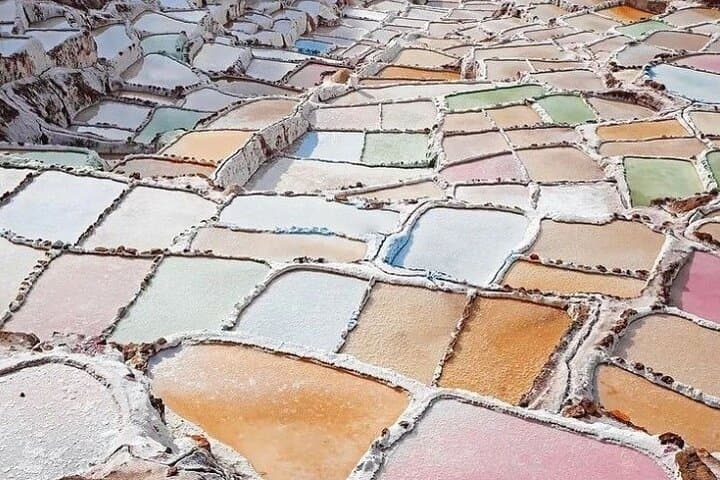
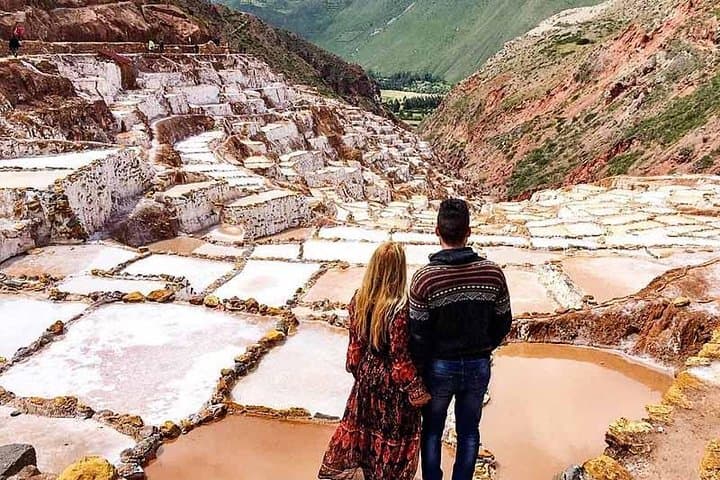
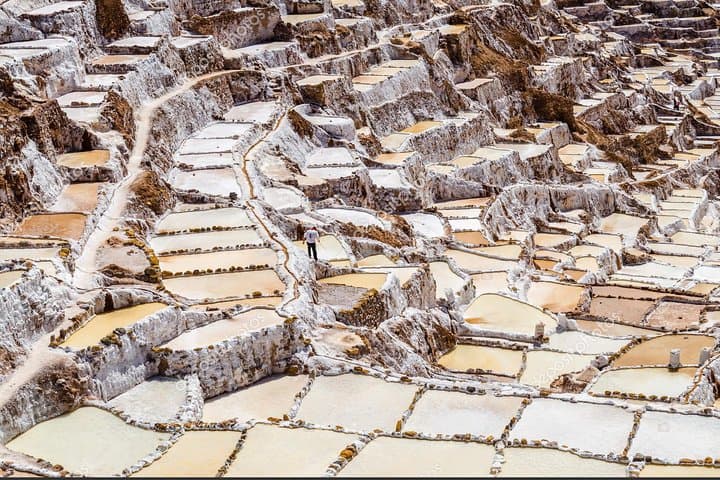
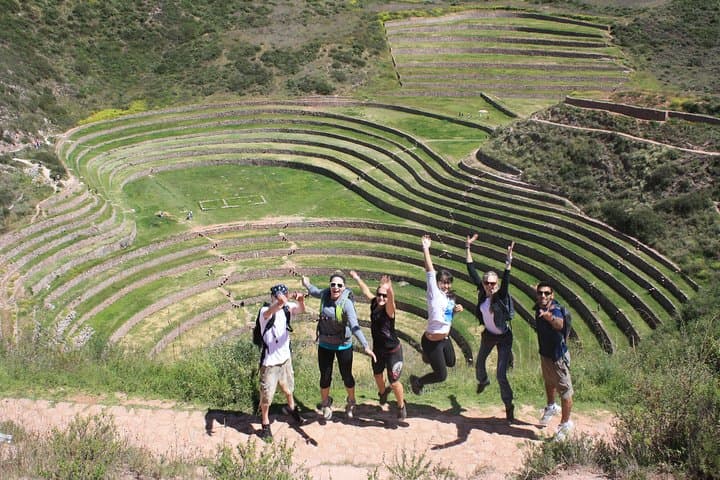
You arrive on a high, sun-baked road and the valley opens: concentric rings of stone slope down like an amphitheater at Moray, and beyond them a chessboard of white salt pools glints on the hillside at Maras. The air is thin and cool, wind moving through the terraces as if testing each level's microclimate.
Verified experiences and guided adventures in the surrounding area.
Operated by Inkas Wonderland · Cusco, Cusco
You arrive on a high, sun-baked road and the valley opens: concentric rings of stone slope down like an amphitheater at Moray, and beyond them a chessboard of white salt pools glints on the hillside at Maras. The air is thin and cool, wind moving through the terraces as if testing each level's microclimate.
Moray’s enormous circular depressions are not decorative—they're archaeological laboratories. The Incas engineered stepped rings to create different temperature and moisture bands for experimental agriculture. Nearby, the Maras salt pans are a mosaic of shallow pools fed by a saline spring; family plots have harvested these pools with the same technique for centuries. In Chinchero, textile traditions persist—alpaca fibers dyed with native plants and woven into patterns that record community identity.
Geology here is straightforward: uplifted Andean plateaus sliced by erosion, with a local saline aquifer producing the salt efflorescence at Maras. Culturally, expect cooperative labor systems and artisanal workshops where purchases support families directly.
Practically, this half-day route from Cusco takes about five hours with hotel pickup, a guide, and private transport. Altitude ranges around 3,500–3,800 m—take it slow, hydrate, and wear layered clothing and sun protection. Paths at Moray are packed earth and mild stairs; the Maras terraces can be uneven and dusty. Respect local harvesting plots and ask before photographing people. Early morning departures reduce crowds and sharpen morning light for photos.
This tour pairs accessible archaeology with vibrant living culture—ideal if you want high-elevation scenery, tactile history, and direct encounters with Andean craft traditions.
easy.
5 hours.
Suitable for travelers in average health; involves short walks on uneven ground and some stairs at archaeological sites.
Yes—this tour includes private transport with hotel pickup and drop-off from selected Cusco hotels.
The itinerary notes admissions are not included; check with the operator before booking to confirm current ticket requirements for each site.
The tour lists wheelchair-accessible transportation and is generally easy, but terraces and uneven ground at Moray and Maras may limit mobility at viewpoints.
Possibly—sites sit around 3,500–3,800 m. Acclimatize in Cusco, hydrate, avoid heavy meals before the tour, and descend if symptoms worsen.
Moray’s concentric terraces were likely an Inca agronomic testing center; Maras’ salt pans predate the Inca and have long been managed as family plots.
Support local communities by buying textiles and salt directly from vendors; stay on marked paths to avoid damaging fragile terraces and salt works.
Inkas Wonderland operates guided outdoor trips and adventures with an emphasis on safety, stewardship, and memorable experiences.
You arrive on a high, sun-baked road and the valley opens: concentric rings of stone slope down like an amphitheater at Moray, and beyond them a chessboard of white salt pools glints on the hillside at Maras. The air is thin and cool, wind moving through the terraces as if testing each level's microclimate.
You arrive on a high, sun-baked road and the valley opens: concentric rings of stone slope down like an amphitheater at Moray, and beyond them a chessboard of white salt pools glints on the hillside at Maras. The air is thin and cool, wind moving through the terraces as if testing each level's microclimate.
Moray’s enormous circular depressions are not decorative—they're archaeological laboratories. The Incas engineered stepped rings to create different temperature and moisture bands for experimental agriculture. Nearby, the Maras salt pans are a mosaic of shallow pools fed by a saline spring; family plots have harvested these pools with the same technique for centuries. In Chinchero, textile traditions persist—alpaca fibers dyed with native plants and woven into patterns that record community identity.
Geology here is straightforward: uplifted Andean plateaus sliced by erosion, with a local saline aquifer producing the salt efflorescence at Maras. Culturally, expect cooperative labor systems and artisanal workshops where purchases support families directly.
Practically, this half-day route from Cusco takes about five hours with hotel pickup, a guide, and private transport. Altitude ranges around 3,500–3,800 m—take it slow, hydrate, and wear layered clothing and sun protection. Paths at Moray are packed earth and mild stairs; the Maras terraces can be uneven and dusty. Respect local harvesting plots and ask before photographing people. Early morning departures reduce crowds and sharpen morning light for photos.
This tour pairs accessible archaeology with vibrant living culture—ideal if you want high-elevation scenery, tactile history, and direct encounters with Andean craft traditions.