THE ADVENTURE COLLECTIVE® · Independent discovery and booking for outdoor travel

Combine public art and political history with a ferry crossing to Robben Island on a single, well-paced day from Cape Town. Pre-booked tickets, hotel transport, and museum-led tours make this a compact, educational outing for visitors who want history with a shoreline view.
Combine public art and political history with a ferry crossing to Robben Island on a single, well-paced day from Cape Town. Pre-booked tickets, hotel transport, and museum-led tours make this a compact, educational outing for visitors who want history with a shoreline view.
The day begins with Cape Town light—cool on the harbor, brighter as the bus slips through Century City toward a line of bronze figures that will not let you pass without noticing them.
Verified experiences and guided adventures in the surrounding area.
Operated by Zion Escape Tours and Travels · Cape Town, Western Cape
The day begins with Cape Town light—cool on the harbor, brighter as the bus slips through Century City toward a line of bronze figures that will not let you pass without noticing them.
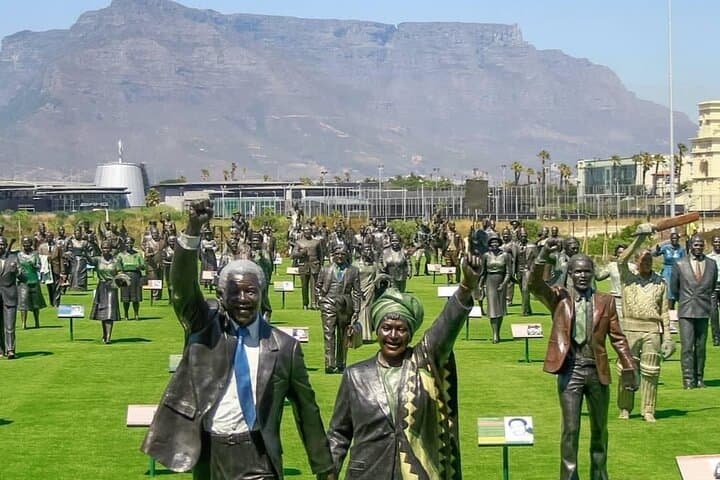
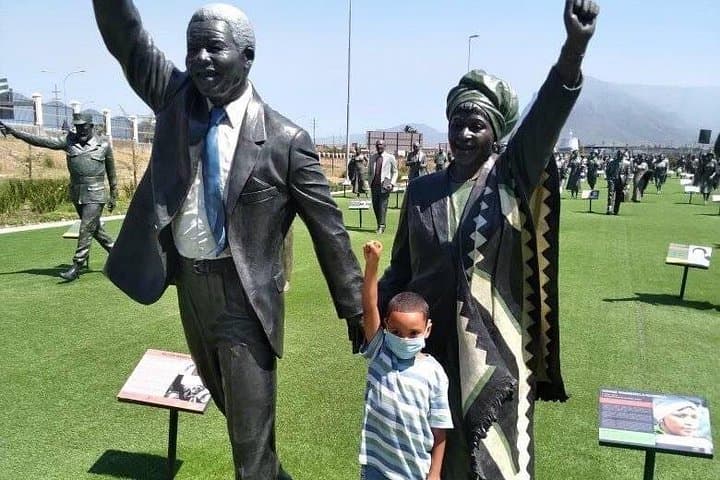
The Long March to Freedom is an outdoor sculptural display of over 500 life-size bronze icons that map South Africa’s 350-year route to democracy. The guide sketches timelines as you walk between figures, turning names and dates into human scale. From there the tour moves to the working harbor where the Atlantic checks the shore and the ferry waits; the water dares you to look past the shoreline and imagine the island beyond.
Robben Island’s limestone and wind-swept scrub hold decades of layered history: a colonial prison, a leper colony, and most famously the place Nelson Mandela served 18 years of a 27-year sentence. Museum-led tours—often guided by former inmates—mix first-person testimony with the island’s stark geology and the cargo of memory stored in its buildings.
Expect a full-day rhythm: hotel pickup, 90 minutes at the Long March display, a 3–4 hour Robben Island visit including the ferry and prison tour, and return to the Waterfront for lunch or shopping. Practicalities matter: the ferry can be rough, weather can close the island, and tours run on a tight schedule. Bring layered clothing for wind and sun, arrive with government ID for boat embarkation, and budget extra time at the Victoria & Alfred Waterfront if you want a relaxed meal after the visit.
easy.
6–8 hours.
Suitable for most fitness levels; involves short walks and standing during guided segments but no sustained exertion.
The ferry crossing and museum tour typically take about 3–4 hours total, including guided segments led by the Robben Island Museum team.
Yes — the tour listing notes wheelchair and stroller accessibility for transportation and most surfaces, but confirm any specific needs when booking.
Robben Island sailings are weather-dependent; if weather cancels the ferry you should be eligible for a refund or rescheduling per the operator’s policy—confirm details at booking and keep flexible timing.
Many Robben Island Museum guides are former political prisoners or others with direct ties to the site; the museum provides the historical tour once you arrive on the island.
Robben Island has served multiple roles over centuries—naval base, leper colony, maximum-security prison—and is best known as the place where Nelson Mandela and other political detainees were held during apartheid.
Robben Island and Table Bay are managed with heritage protections; visitors should stick to paths and follow museum guidance to minimize wear on fragile historic sites and coastal habitats.
Zion Escape Tours and Travels operates guided outdoor trips and adventures with an emphasis on safety, stewardship, and memorable experiences.


The day begins with Cape Town light—cool on the harbor, brighter as the bus slips through Century City toward a line of bronze figures that will not let you pass without noticing them.
The day begins with Cape Town light—cool on the harbor, brighter as the bus slips through Century City toward a line of bronze figures that will not let you pass without noticing them.
The Long March to Freedom is an outdoor sculptural display of over 500 life-size bronze icons that map South Africa’s 350-year route to democracy. The guide sketches timelines as you walk between figures, turning names and dates into human scale. From there the tour moves to the working harbor where the Atlantic checks the shore and the ferry waits; the water dares you to look past the shoreline and imagine the island beyond.
Robben Island’s limestone and wind-swept scrub hold decades of layered history: a colonial prison, a leper colony, and most famously the place Nelson Mandela served 18 years of a 27-year sentence. Museum-led tours—often guided by former inmates—mix first-person testimony with the island’s stark geology and the cargo of memory stored in its buildings.
Expect a full-day rhythm: hotel pickup, 90 minutes at the Long March display, a 3–4 hour Robben Island visit including the ferry and prison tour, and return to the Waterfront for lunch or shopping. Practicalities matter: the ferry can be rough, weather can close the island, and tours run on a tight schedule. Bring layered clothing for wind and sun, arrive with government ID for boat embarkation, and budget extra time at the Victoria & Alfred Waterfront if you want a relaxed meal after the visit.