THE ADVENTURE COLLECTIVE® · Independent discovery and booking for outdoor travel

Spend a day tracing the remains of the Majapahit kingdom from Surabaya: red-brick temples, a focused archaeological museum, village visits and traditional East Javanese cuisine combine for a full cultural-heritage experience.
Spend a day tracing the remains of the Majapahit kingdom from Surabaya: red-brick temples, a focused archaeological museum, village visits and traditional East Javanese cuisine combine for a full cultural-heritage experience.
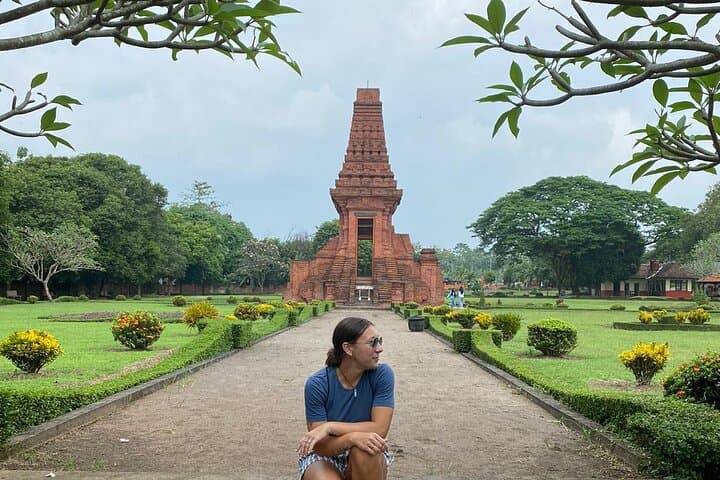
You arrive by private vehicle at a low red-brick gate and the air carries the dry warmth of East Java; rice paddies flatten to the horizon while scattered temple ruins rise like deliberate punctuation. The guide opens the day with a map and a story—how the Majapahit kingdom, once a powerful 13th–16th century maritime state, organized trade, temples, and villages across this plain.
Verified experiences and guided adventures in the surrounding area.
Operated by Javatouristmap · Trowulan, East Java
You arrive by private vehicle at a low red-brick gate and the air carries the dry warmth of East Java; rice paddies flatten to the horizon while scattered temple ruins rise like deliberate punctuation. The guide opens the day with a map and a story—how the Majapahit kingdom, once a powerful 13th–16th century maritime state, organized trade, temples, and villages across this plain.
Stone and brick here tell a geological and cultural history: volcanic clay fired into dense red architecture, carved motifs that blend Hindu and Buddhist iconography, and collapsed foundations that mark ancient compounds. The museum in Trowulan houses terracotta household items, inscriptions, and models that explain daily life, trade links to Sumatra and Bali, and the political reach of Majapahit rulers.
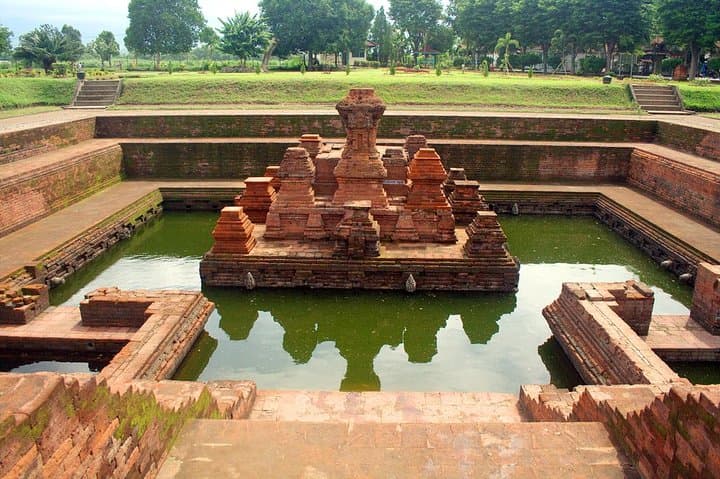
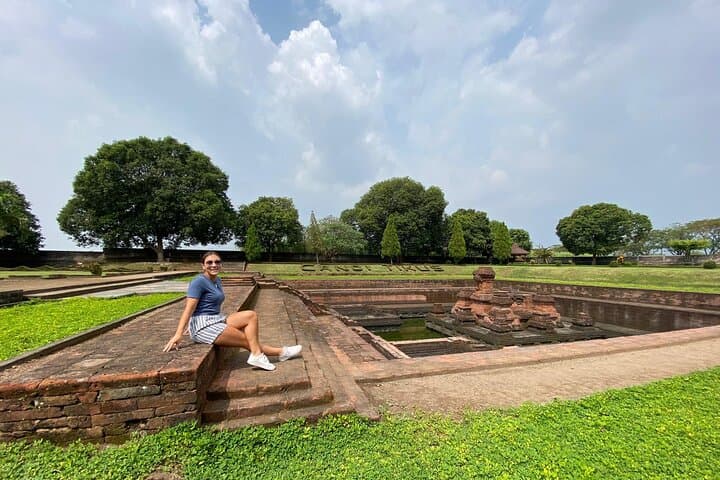
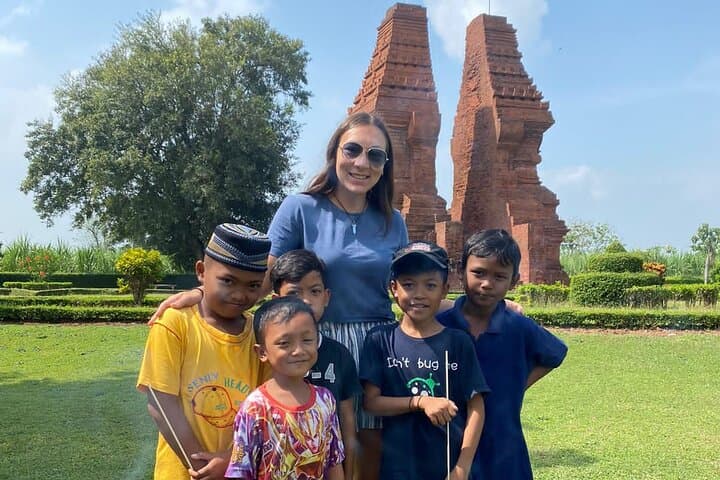
You’ll visit a towering gateway temple ideal for photography, a compact brick shrine with elegant proportions, a square ritual basin suggesting communal ablutions, and a round Buddhist stupa-style structure that hints at religious pluralism. Between sites, small villages show living craft traditions and offer a chance to taste East Javanese cuisine—savory, spiced, and grounding.
Practical guidance: plan for a full day (6–10 hours) of walking on uneven ground and short climbs; wear closed-toe shoes, bring sun protection and 1–2 liters of water. Carry local currency for small purchases and respect site rules—do not climb fragile masonry. Morning light is best for photos and cooler temperatures; the private transport included makes logistics straightforward, but confirm pickup details and passport requirements in advance.
easy.
6–10 hours.
Suitable for most fitness levels; expect several short walks on uneven ground and brief stairs.
The tour runs about 6–10 hours depending on traffic and time spent at each site; typical itineraries allow a full day out of Surabaya.
Yes—sites are low-impact with mostly short walks; however, those with limited mobility should alert the operator in advance for accommodations.
Yes; the tour description indicates admissions and a traditional lunch are included, but confirm any special dietary needs when booking.
Bring wide-angle and zoom capability if possible, a charged battery, and a lens cloth—mornings and late afternoons offer the best light.
Majapahit was a powerful Hindu–Buddhist polity from the 13th to 16th centuries whose capital area around Trowulan contains temples, baths, and artifacts that reflect a multi-religious society and expansive maritime trade.
Sites are fragile—follow path markers, avoid touching carvings, and support local guides who work with authorities to preserve masonry and stratigraphic deposits.
Javatouristmap operates guided outdoor trips and adventures with an emphasis on safety, stewardship, and memorable experiences.
You arrive by private vehicle at a low red-brick gate and the air carries the dry warmth of East Java; rice paddies flatten to the horizon while scattered temple ruins rise like deliberate punctuation. The guide opens the day with a map and a story—how the Majapahit kingdom, once a powerful 13th–16th century maritime state, organized trade, temples, and villages across this plain.
You arrive by private vehicle at a low red-brick gate and the air carries the dry warmth of East Java; rice paddies flatten to the horizon while scattered temple ruins rise like deliberate punctuation. The guide opens the day with a map and a story—how the Majapahit kingdom, once a powerful 13th–16th century maritime state, organized trade, temples, and villages across this plain.
Stone and brick here tell a geological and cultural history: volcanic clay fired into dense red architecture, carved motifs that blend Hindu and Buddhist iconography, and collapsed foundations that mark ancient compounds. The museum in Trowulan houses terracotta household items, inscriptions, and models that explain daily life, trade links to Sumatra and Bali, and the political reach of Majapahit rulers.
You’ll visit a towering gateway temple ideal for photography, a compact brick shrine with elegant proportions, a square ritual basin suggesting communal ablutions, and a round Buddhist stupa-style structure that hints at religious pluralism. Between sites, small villages show living craft traditions and offer a chance to taste East Javanese cuisine—savory, spiced, and grounding.
Practical guidance: plan for a full day (6–10 hours) of walking on uneven ground and short climbs; wear closed-toe shoes, bring sun protection and 1–2 liters of water. Carry local currency for small purchases and respect site rules—do not climb fragile masonry. Morning light is best for photos and cooler temperatures; the private transport included makes logistics straightforward, but confirm pickup details and passport requirements in advance.