THE ADVENTURE COLLECTIVE® · Independent discovery and booking for outdoor travel

Walk through laurel forest, coastal scrub and terraced slopes with a naturalist guide to study Madeira’s endemic plants and famous garden species. This relaxed half-day tour focuses on identification, photography and the island’s unique plant communities.
Walk through laurel forest, coastal scrub and terraced slopes with a naturalist guide to study Madeira’s endemic plants and famous garden species. This relaxed half-day tour focuses on identification, photography and the island’s unique plant communities.
A cool Atlantic breeze carries the scent of pollen as the minibus drops you at the parking lot by the Garajau cable car; in moments the island’s plant life takes over the story. Trails and short roadside stops open into pockets of laurel forest, cliffside heaths and cultivated slopes where dramatic Echium towers and delicate endemic herbs claim the light. Guides — often biologists or certified naturalists — point out features with a steady, exacting eye: leaf arrangements, seed pods, the telltale hairs on a stem that mark an island endemic.
Verified experiences and guided adventures in the surrounding area.
Operated by Madeira Fauna Flora · Funchal, Madeira
A cool Atlantic breeze carries the scent of pollen as the minibus drops you at the parking lot by the Garajau cable car; in moments the island’s plant life takes over the story. Trails and short roadside stops open into pockets of laurel forest, cliffside heaths and cultivated slopes where dramatic Echium towers and delicate endemic herbs claim the light. Guides — often biologists or certified naturalists — point out features with a steady, exacting eye: leaf arrangements, seed pods, the telltale hairs on a stem that mark an island endemic.
Madeira’s geology — volcanic flows carved by time into steep ridges and terraces — created microclimates that drive plant diversity. The laurisilva, a humid subtropical evergreen forest, survived the ice ages here and is now UNESCO-listed; other communities include high plateau heath and coastal scrub. Culturally, Madeira’s gardens and horticultural exports drew European gardeners for centuries, so you’ll see species famed in botanical circles and familiar in cultivated borders worldwide.
On this four-hour, relaxed tour you’ll move between accessible stops, pause for coffee and photographs, and learn identification cues rather than cover big distances. Expect easy walking on paved paths or short gravel sections, a steady pace suitable for most fitness levels, and repeated photo opportunities.
Practical: dress in layers, wear grippy shoes, carry water and a camera, and favor early-morning departures in spring to catch peak blooms and softer light. Keep to paths — many endemics grow in fragile, localized pockets — and listen to the guide’s notes on what not to touch.
easy.
4 hours.
Suitable for most fitness levels; involves short, gentle walks and standing while the guide explains species.
The tour is approximately four hours and focuses on several short, easily accessible stops rather than a long continuous hike; expect short walks of a few hundred meters at each site.
Yes — the itinerary is labeled physically easy and is paced for relaxed observation; children and older travelers should be able to join but inform the operator of special needs when booking.
Spring typically offers the most widespread blooms, though many endemic species and garden introductions can be seen year-round thanks to Madeira’s mild climate.
The operator includes field guides and binoculars, but bringing your own optics can improve viewing and photography.
Madeira’s laurel forests are remnants of pre-Ice Age subtropical woodlands; centuries of horticultural exchange turned several island species into prized garden plants across Europe.
Invasive plants, habitat fragmentation and visitor trampling are local concerns — stay on marked paths, respect fenced areas, and follow guide advice to help protect fragile endemics.
Madeira Fauna Flora operates guided outdoor trips and adventures with an emphasis on safety, stewardship, and memorable experiences.
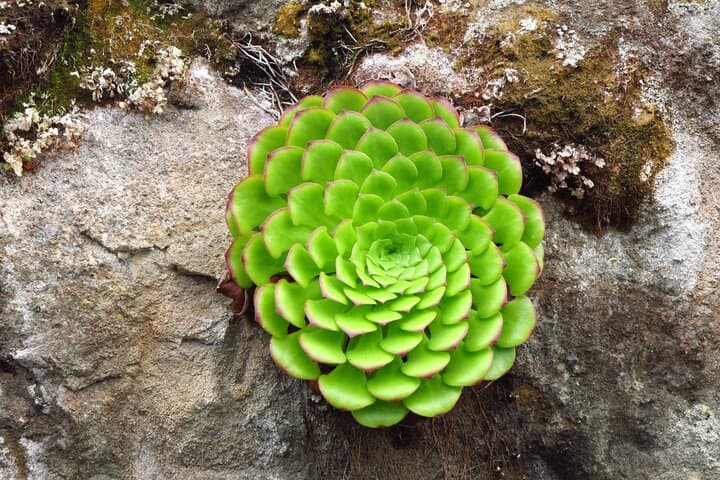
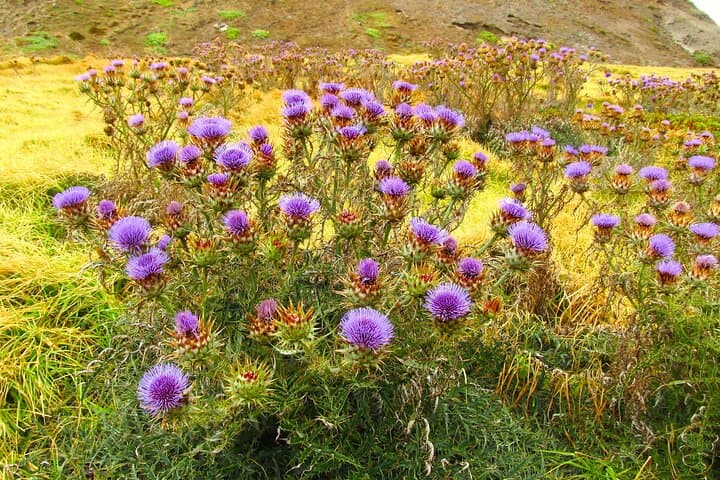
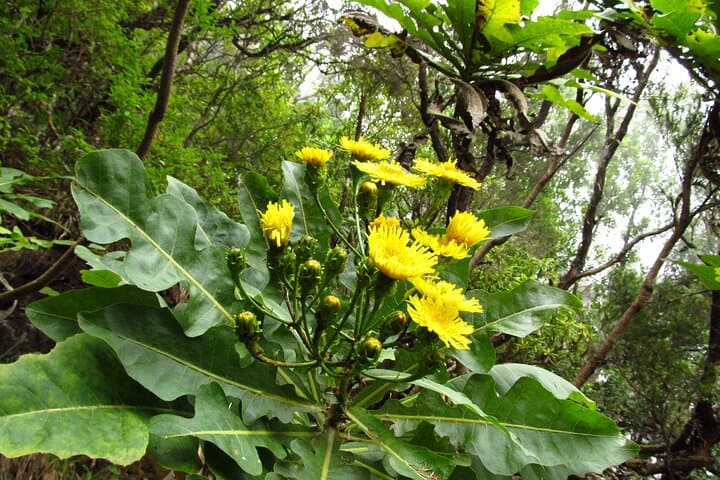
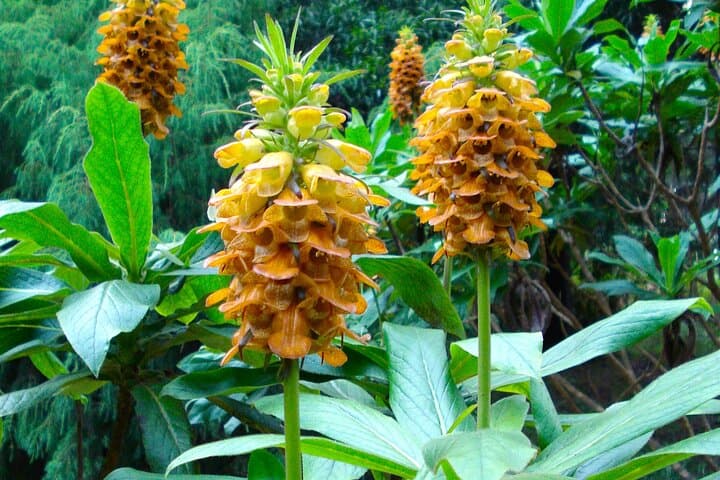
A cool Atlantic breeze carries the scent of pollen as the minibus drops you at the parking lot by the Garajau cable car; in moments the island’s plant life takes over the story. Trails and short roadside stops open into pockets of laurel forest, cliffside heaths and cultivated slopes where dramatic Echium towers and delicate endemic herbs claim the light. Guides — often biologists or certified naturalists — point out features with a steady, exacting eye: leaf arrangements, seed pods, the telltale hairs on a stem that mark an island endemic.
A cool Atlantic breeze carries the scent of pollen as the minibus drops you at the parking lot by the Garajau cable car; in moments the island’s plant life takes over the story. Trails and short roadside stops open into pockets of laurel forest, cliffside heaths and cultivated slopes where dramatic Echium towers and delicate endemic herbs claim the light. Guides — often biologists or certified naturalists — point out features with a steady, exacting eye: leaf arrangements, seed pods, the telltale hairs on a stem that mark an island endemic.
Madeira’s geology — volcanic flows carved by time into steep ridges and terraces — created microclimates that drive plant diversity. The laurisilva, a humid subtropical evergreen forest, survived the ice ages here and is now UNESCO-listed; other communities include high plateau heath and coastal scrub. Culturally, Madeira’s gardens and horticultural exports drew European gardeners for centuries, so you’ll see species famed in botanical circles and familiar in cultivated borders worldwide.
On this four-hour, relaxed tour you’ll move between accessible stops, pause for coffee and photographs, and learn identification cues rather than cover big distances. Expect easy walking on paved paths or short gravel sections, a steady pace suitable for most fitness levels, and repeated photo opportunities.
Practical: dress in layers, wear grippy shoes, carry water and a camera, and favor early-morning departures in spring to catch peak blooms and softer light. Keep to paths — many endemics grow in fragile, localized pockets — and listen to the guide’s notes on what not to touch.