THE ADVENTURE COLLECTIVE® · Independent discovery and booking for outdoor travel

Walk the eastern bank of the Nile with a private guide and explore Karnak’s forest of columns and the carved avenues of Luxor Temple. This 4–5 hour private tour includes pickup, entrance fees, bottled water and an expert guide — ideal for travelers wanting a focused, comfortable cultural outing.
Walk the eastern bank of the Nile with a private guide and explore Karnak’s forest of columns and the carved avenues of Luxor Temple. This 4–5 hour private tour includes pickup, entrance fees, bottled water and an expert guide — ideal for travelers wanting a focused, comfortable cultural outing.
The Nile presses against the city and dares you to walk its eastern edge: sunlight warms stone that priests and pharaohs once paced, and dust carries the dry, papery smell of ancient mud-brick. A private car pulls up; an English-speaking guide steps out and, within moments, you are crossing into layers of a civilization that built monumental religion into the desert itself.
Verified experiences and guided adventures in the surrounding area.
Operated by Egypt Vibes Travel · Luxor, Luxor Governorate
The Nile presses against the city and dares you to walk its eastern edge: sunlight warms stone that priests and pharaohs once paced, and dust carries the dry, papery smell of ancient mud-brick. A private car pulls up; an English-speaking guide steps out and, within moments, you are crossing into layers of a civilization that built monumental religion into the desert itself.
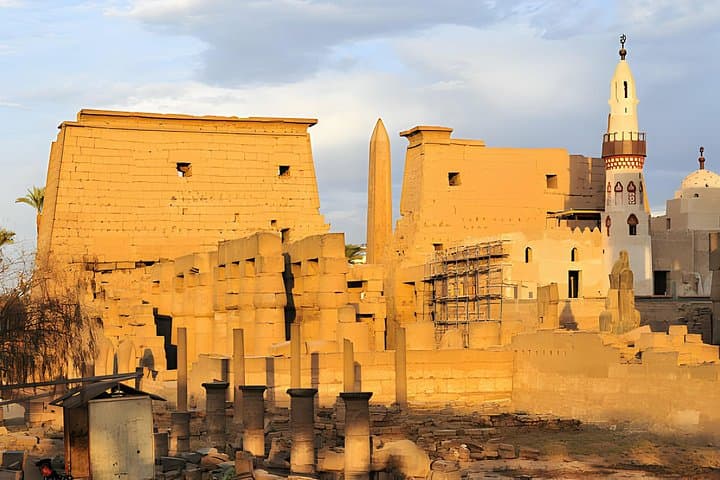
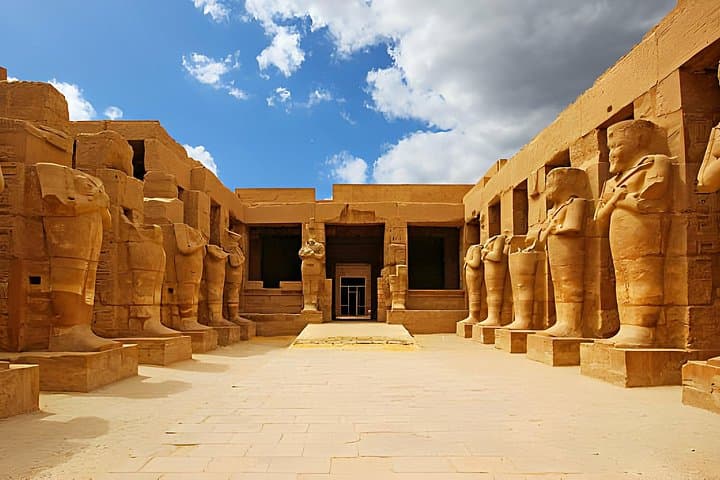
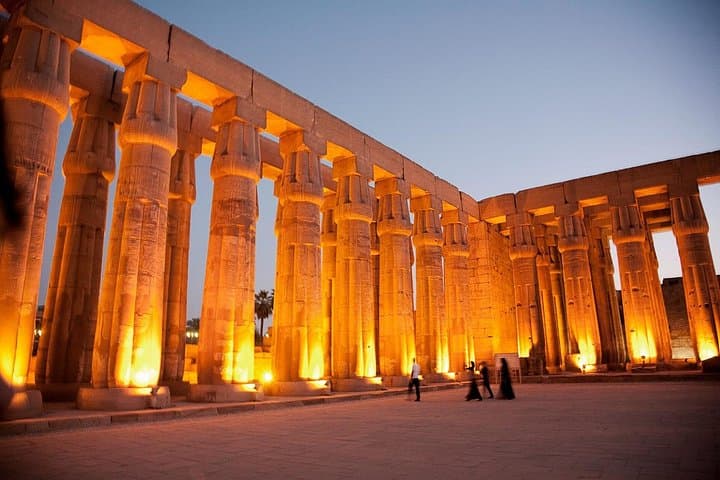
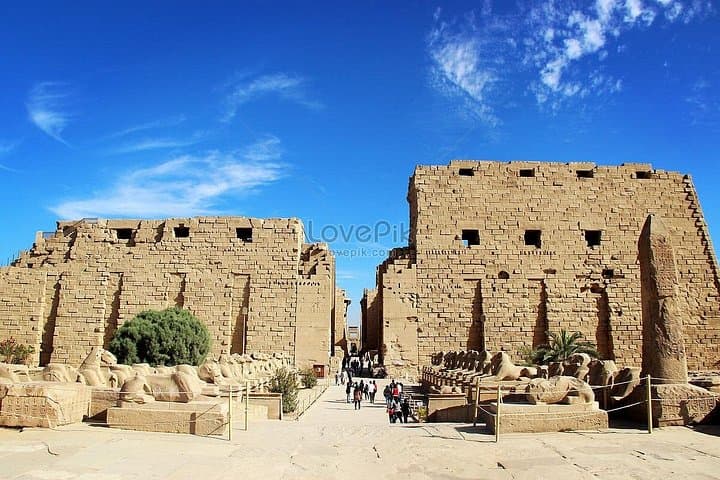
Karnak sprawls first — more than 100 hectares of sanctuaries and avenues dedicated to Amun-Re. The Hypostyle Hall’s 134 columns rise like an engineered forest, each column some 23 meters tall, their carved capitals catching light and shadow. Luxor Temple is quieter but no less deliberate: the colossal statues of Ramses II flank a pylon entrance, and hieroglyphs along the processional route recall annual rituals tied to the Nile’s cycles. The geology here is simple — alluvial plains, sandstone and limestone temples set on reclaimed floodplain — but the cultural weight is complex: New Kingdom state religion, pharaonic funerary politics and later Greco-Roman overlays.
On a 4–5 hour private tour you move at your pace: hotel pickup in an air‑conditioned vehicle, focused time at Karnak (about two hours) then Luxor (about 90 minutes), with entrance fees, bottled water and a licensed guide included. Expect uneven paved stone, low steps and open sun; elevation change is negligible but footing can be tricky. Practical notes: start early to avoid heat, wear modest clothing that covers shoulders and knees, bring a hat and sunscreen, and carry comfortable walking shoes. Respect barriers, avoid touching reliefs, and save drone flights for areas outside the archaeological zones.
easy.
4–5 hours.
Suitable for most fitness levels; requires walking and standing for multiple short periods.
Yes — the private tour package includes entrance fees to Karnak and Luxor Temples as listed in the itinerary.
The tour runs about 4–5 hours: roughly two hours at Karnak, 90 minutes at Luxor Temple, plus pickup and drop-off from your hotel.
The route has mostly flat areas but includes uneven stone, low steps and unpaved stretches; travelers with significant mobility needs should contact the operator ahead to discuss accessibility and pickup options.
Yes — photography for personal use is generally allowed, but avoid tripods in busy areas, respect signs restricting flash or photography in certain chapels, and never climb on monuments.
Both temples date primarily to Egypt’s New Kingdom; Karnak is the largest ancient religious site devoted largely to Amun-Re, while Luxor Temple served as the ceremonial core of the Opet festival and displays later Roman additions.
High visitor numbers and desert sand are ongoing preservation challenges — follow site rules, stay on designated paths, and avoid touching reliefs to limit wear.
Egypt Vibes Travel operates guided outdoor trips and adventures with an emphasis on safety, stewardship, and memorable experiences.
The Nile presses against the city and dares you to walk its eastern edge: sunlight warms stone that priests and pharaohs once paced, and dust carries the dry, papery smell of ancient mud-brick. A private car pulls up; an English-speaking guide steps out and, within moments, you are crossing into layers of a civilization that built monumental religion into the desert itself.
The Nile presses against the city and dares you to walk its eastern edge: sunlight warms stone that priests and pharaohs once paced, and dust carries the dry, papery smell of ancient mud-brick. A private car pulls up; an English-speaking guide steps out and, within moments, you are crossing into layers of a civilization that built monumental religion into the desert itself.
Karnak sprawls first — more than 100 hectares of sanctuaries and avenues dedicated to Amun-Re. The Hypostyle Hall’s 134 columns rise like an engineered forest, each column some 23 meters tall, their carved capitals catching light and shadow. Luxor Temple is quieter but no less deliberate: the colossal statues of Ramses II flank a pylon entrance, and hieroglyphs along the processional route recall annual rituals tied to the Nile’s cycles. The geology here is simple — alluvial plains, sandstone and limestone temples set on reclaimed floodplain — but the cultural weight is complex: New Kingdom state religion, pharaonic funerary politics and later Greco-Roman overlays.
On a 4–5 hour private tour you move at your pace: hotel pickup in an air‑conditioned vehicle, focused time at Karnak (about two hours) then Luxor (about 90 minutes), with entrance fees, bottled water and a licensed guide included. Expect uneven paved stone, low steps and open sun; elevation change is negligible but footing can be tricky. Practical notes: start early to avoid heat, wear modest clothing that covers shoulders and knees, bring a hat and sunscreen, and carry comfortable walking shoes. Respect barriers, avoid touching reliefs, and save drone flights for areas outside the archaeological zones.