THE ADVENTURE COLLECTIVE® · Independent discovery and booking for outdoor travel

Walk Luxor’s bustling bazaars with an Egyptologist on a private three-hour tour that mixes history, hands-on craft demos, and practical shopping tips. Perfect for travelers who want context with their souvenirs.
Walk Luxor’s bustling bazaars with an Egyptologist on a private three-hour tour that mixes history, hands-on craft demos, and practical shopping tips. Perfect for travelers who want context with their souvenirs.
You step off the shaded pavement into a swath of color and sound: vendors arrange gleaming brass, bolts of linen, jars of spices that scent the air like a dare. The market hums against the backdrop of temple stone and the slow Nile, where the city's trade routes began centuries ago.
Verified experiences and guided adventures in the surrounding area.
Operated by Goto Egypt Tours · Luxor, Luxor Governorate
You step off the shaded pavement into a swath of color and sound: vendors arrange gleaming brass, bolts of linen, jars of spices that scent the air like a dare. The market hums against the backdrop of temple stone and the slow Nile, where the city's trade routes began centuries ago.
Luxor's marketplaces grew where Thebes met the river — merchants trading goods that fed temple staffs and visiting pilgrims. The stone of nearby temples and the silt of the Nile shaped local crafts: hand-cut soapstone, papyrus pressed with hieroglyphic stamps, and spice blends rooted in regional agriculture.
A private, three-hour walk with an Egyptologist moves beyond souvenir stalls. Expect stops at a papyrus studio, a stone-carving workshop, and herb shops where fragrances and remedies are explained. Your guide translates cultural cues: appropriate bargaining, the meaning of amulets, and how modern vendors balance tourism with local life.
Practical guidance is direct. Go mid-morning to avoid peak heat and most crowds, wear closed-toe shoes for uneven alleys, carry local currency for small purchases, and keep valuables secured in a zippered pouch. Hydrate — the dry desert air accelerates fatigue — and ask before photographing people or workshops.
This is a sensory, social walk: an easy-paced introduction to Luxor’s living marketplace that blends history, craft, and local economy — ideal for travelers who want context with their shopping and a clear view into how an ancient city keeps commerce alive today.
easy.
3 hours.
Suitable for most fitness levels; involves standing and walking on uneven surfaces for up to three hours.
Yes — this private tour typically includes hotel pickup and drop-off within Luxor city limits as listed in the inclusions.
Bargaining is common for many market items; start lower than the asking price and negotiate respectfully, especially in small artisan shops.
The tour is marked suitable for all fitness levels; infants should sit on laps and parents should account for sun exposure and pacing.
No — purchases at stalls and any additional admissions (if you choose to enter private workshops) are paid separately unless stated otherwise.
Luxor sits on the site of ancient Thebes; the markets developed alongside temple economies that served priests, pilgrims, and artisans for millennia.
Support local artisans by buying directly from workshops, avoid single-use plastic where possible, and ask before photographing private workspaces to respect livelihoods.
Goto Egypt Tours operates guided outdoor trips and adventures with an emphasis on safety, stewardship, and memorable experiences.
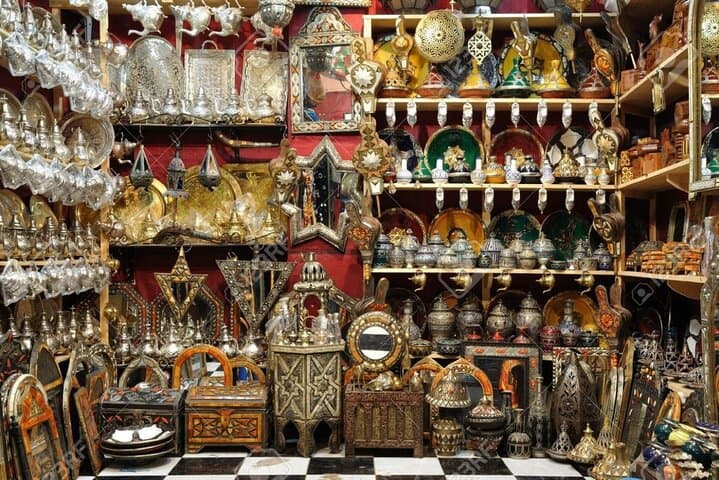
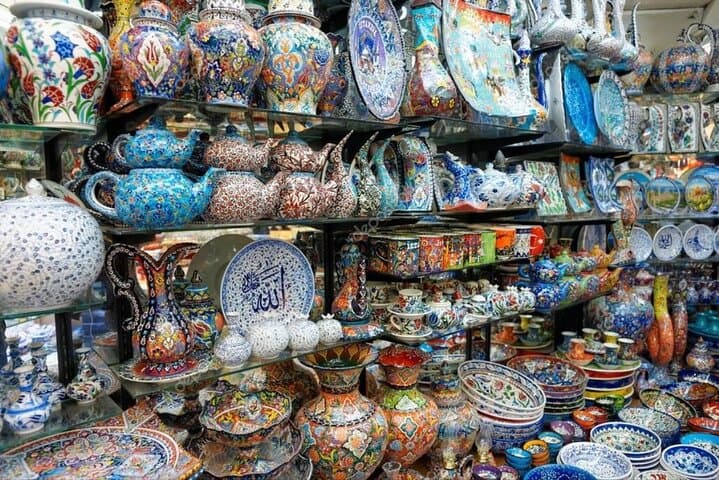
You step off the shaded pavement into a swath of color and sound: vendors arrange gleaming brass, bolts of linen, jars of spices that scent the air like a dare. The market hums against the backdrop of temple stone and the slow Nile, where the city's trade routes began centuries ago.
You step off the shaded pavement into a swath of color and sound: vendors arrange gleaming brass, bolts of linen, jars of spices that scent the air like a dare. The market hums against the backdrop of temple stone and the slow Nile, where the city's trade routes began centuries ago.
Luxor's marketplaces grew where Thebes met the river — merchants trading goods that fed temple staffs and visiting pilgrims. The stone of nearby temples and the silt of the Nile shaped local crafts: hand-cut soapstone, papyrus pressed with hieroglyphic stamps, and spice blends rooted in regional agriculture.
A private, three-hour walk with an Egyptologist moves beyond souvenir stalls. Expect stops at a papyrus studio, a stone-carving workshop, and herb shops where fragrances and remedies are explained. Your guide translates cultural cues: appropriate bargaining, the meaning of amulets, and how modern vendors balance tourism with local life.
Practical guidance is direct. Go mid-morning to avoid peak heat and most crowds, wear closed-toe shoes for uneven alleys, carry local currency for small purchases, and keep valuables secured in a zippered pouch. Hydrate — the dry desert air accelerates fatigue — and ask before photographing people or workshops.
This is a sensory, social walk: an easy-paced introduction to Luxor’s living marketplace that blends history, craft, and local economy — ideal for travelers who want context with their shopping and a clear view into how an ancient city keeps commerce alive today.