THE ADVENTURE COLLECTIVE® · Independent discovery and booking for outdoor travel

Descend metal ladders into a narrow ribbon of Navajo sandstone where light and texture reshape every step. This guided 60–90 minute tour of Lower Antelope Canyon offers intimate slot-canyon scenery, local Navajo interpretation, and clear access rules to protect the fragile rock.
Descend metal ladders into a narrow ribbon of Navajo sandstone where light and texture reshape every step. This guided 60–90 minute tour of Lower Antelope Canyon offers intimate slot-canyon scenery, local Navajo interpretation, and clear access rules to protect the fragile rock.
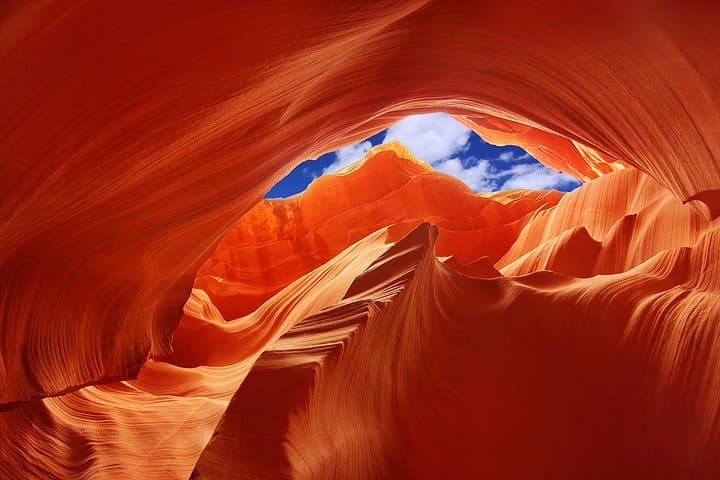
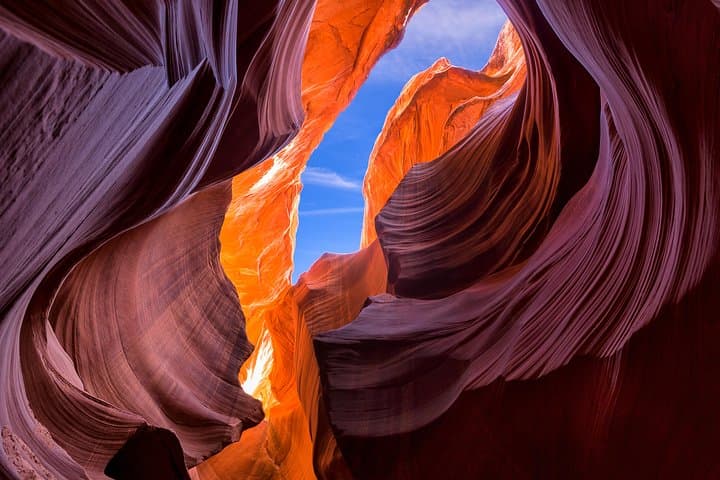
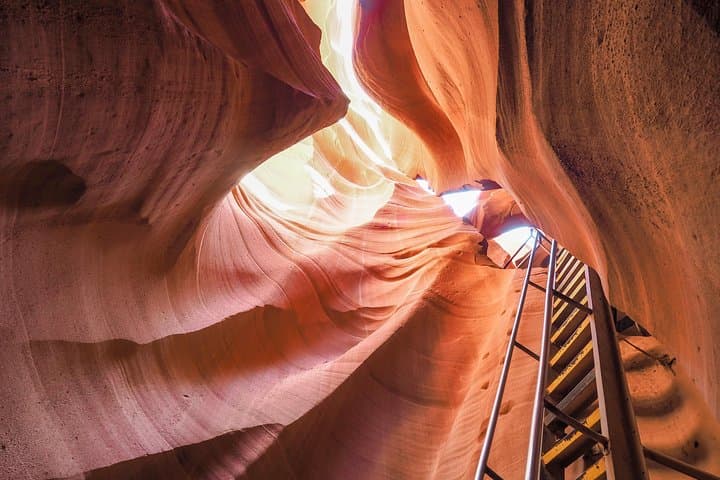
You step off the dusty lot and into a cool throat of sandstone—walls tight enough to feel like a living map of water and wind. Light slips in from above, pooling on rust-red curves while the guide points out the ladder that drops you into the next chamber. The canyon moves you forward: narrow, worked, and suddenly expansive where the rock lets the sky in.
Verified experiences and guided adventures in the surrounding area.
Operated by Thunder Travel · Page, Arizona
You step off the dusty lot and into a cool throat of sandstone—walls tight enough to feel like a living map of water and wind. Light slips in from above, pooling on rust-red curves while the guide points out the ladder that drops you into the next chamber. The canyon moves you forward: narrow, worked, and suddenly expansive where the rock lets the sky in.
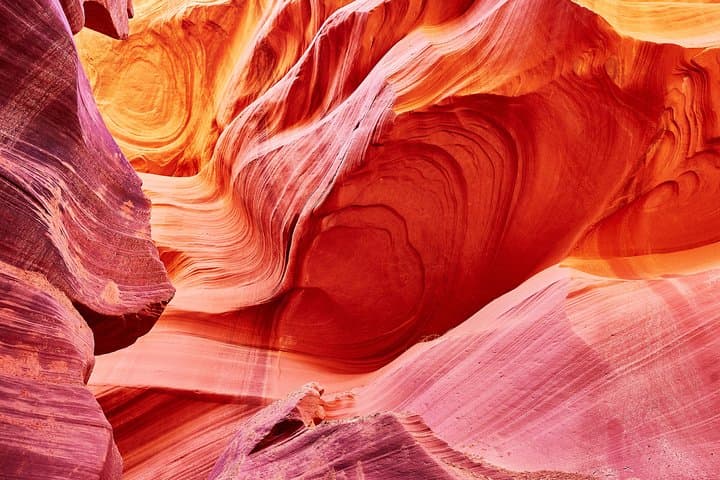
Lower Antelope Canyon sits on Navajo Nation land carved by flash floods and centuries of runoff from mesa tops. Geologically, you’re walking through Navajo Sandstone—fine-grained layers twisted into waves and sculpted into the sinuous slots photographers prize. Culturally, tours operate under Navajo permit and local guides share stories and stewardship practices that link the formations to Navajo tradition.
The route is compact—about 600 meters of walking with several metal ladders and steps—so expect stairs, narrow squeezes, and a steady, guided pace. Photography is allowed but restricted: no tripods, monopods, or extended equipment; hand-held phones and cameras are standard. Weather matters here—flash floods can close the canyon, and summer sun heats the approach.
Practical notes: arrive at least 45 minutes before your scheduled time, wear sturdy closed-toe shoes with good traction, and keep hands free for ladder sections. Hydrate before you check in; there’s limited shade outside the slot. Tours run roughly 60–90 minutes and the guide stays with the group, pointing out formations and sharing safety instructions. Respect the canyon’s fragile surfaces—no climbing, no touching the patina—and your visit supports Navajo stewardship of a geological classroom that still surprises at every turn.
moderate.
1–1.5 hours.
Should be comfortable climbing ladders, navigating narrow passages, and walking ~600 meters; not suitable for those with serious mobility issues.
Tours last about 60–90 minutes and cover roughly 600 meters with several ladders and stairs; the guide stays with the group.
No—backpacks, bags, tripods, monopods, and selfie sticks are not allowed on the tour to protect the canyon and ensure safety.
Lower Antelope Canyon involves ladders and narrow passages and is not recommended for guests with significant mobility, spinal, or cardiovascular issues.
Tours may be canceled for flash flood risk or unsafe conditions; check-in and cancellations follow Navajo Nation and operator safety protocols.
Lower Antelope Canyon is on Navajo Nation land; the slot formed through millennia of flash floods cutting into Navajo Sandstone and modern tours operate under tribal permit.
The canyon’s sandstone is delicate—rules against touching, climbing, and bringing gear protect surface patina; permit fees support Navajo stewardship and local management.
Thunder Travel operates guided outdoor trips and adventures with an emphasis on safety, stewardship, and memorable experiences.
You step off the dusty lot and into a cool throat of sandstone—walls tight enough to feel like a living map of water and wind. Light slips in from above, pooling on rust-red curves while the guide points out the ladder that drops you into the next chamber. The canyon moves you forward: narrow, worked, and suddenly expansive where the rock lets the sky in.
You step off the dusty lot and into a cool throat of sandstone—walls tight enough to feel like a living map of water and wind. Light slips in from above, pooling on rust-red curves while the guide points out the ladder that drops you into the next chamber. The canyon moves you forward: narrow, worked, and suddenly expansive where the rock lets the sky in.
Lower Antelope Canyon sits on Navajo Nation land carved by flash floods and centuries of runoff from mesa tops. Geologically, you’re walking through Navajo Sandstone—fine-grained layers twisted into waves and sculpted into the sinuous slots photographers prize. Culturally, tours operate under Navajo permit and local guides share stories and stewardship practices that link the formations to Navajo tradition.
The route is compact—about 600 meters of walking with several metal ladders and steps—so expect stairs, narrow squeezes, and a steady, guided pace. Photography is allowed but restricted: no tripods, monopods, or extended equipment; hand-held phones and cameras are standard. Weather matters here—flash floods can close the canyon, and summer sun heats the approach.
Practical notes: arrive at least 45 minutes before your scheduled time, wear sturdy closed-toe shoes with good traction, and keep hands free for ladder sections. Hydrate before you check in; there’s limited shade outside the slot. Tours run roughly 60–90 minutes and the guide stays with the group, pointing out formations and sharing safety instructions. Respect the canyon’s fragile surfaces—no climbing, no touching the patina—and your visit supports Navajo stewardship of a geological classroom that still surprises at every turn.