THE ADVENTURE COLLECTIVE® · Independent discovery and booking for outdoor travel

Spend a full day cutting through mangrove channels, exploring Taíno-marked sea caves and scanning for seabirds on this shared full-day tour from Punta Cana. Expect long boat transfers, brief cave walks, and strong wildlife and coastal scenery.
Spend a full day cutting through mangrove channels, exploring Taíno-marked sea caves and scanning for seabirds on this shared full-day tour from Punta Cana. Expect long boat transfers, brief cave walks, and strong wildlife and coastal scenery.
You glide through a corridor of red mangroves as the morning light strips the horizon—roots like cathedral pillars, water glass-smooth beneath the boat. Islands rise as low, jagged limestone knuckles; gulls wheel and the motor whispers. This is Los Haitises National Park, a coastal labyrinth where karst ridges, sea caves and dense mangrove forests meet the San Lorenzo and Samaná bays.
Verified experiences and guided adventures in the surrounding area.
Operated by Tour Miches · Sabana de la Mar, Hato Mayor
You glide through a corridor of red mangroves as the morning light strips the horizon—roots like cathedral pillars, water glass-smooth beneath the boat. Islands rise as low, jagged limestone knuckles; gulls wheel and the motor whispers. This is Los Haitises National Park, a coastal labyrinth where karst ridges, sea caves and dense mangrove forests meet the San Lorenzo and Samaná bays.
Formally protected in 1976, Los Haitises preserves one of Hispaniola’s most intact coastal ecosystems. The park’s limestone islands are the product of ancient coral reef uplift and freshwater erosion, leaving caves stamped with Taíno pictographs and domed caverns carved by time. Local communities around Miches and Sabana de la Mar maintain fishing and small-scale farming traditions; guided tours often include stories about Taíno heritage and the park’s role as a spawning ground for commercial species.
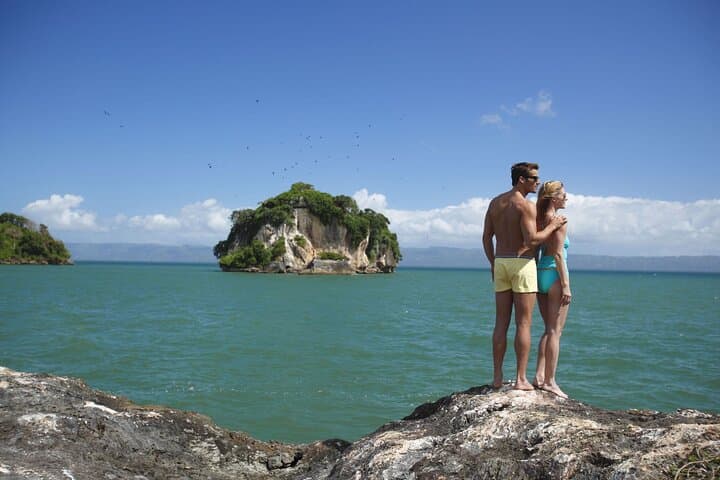
Expect a day of boat travel, short cave walks, birdwatching and a beach or river mouth stop depending on itinerary. Wildlife sightings commonly include frigatebirds, mangrove rails, and the elusive Hispaniolan hutia; in season (Jan–Mar) whale-watching is possible from nearby waters.
Practical tips: bring reef-safe sunscreen, a dry bag, water and layered sun protection; boats can be exposed and caves humid and slick. The tour is long—10–12 hours—so plan logistics (pickup points in Punta Cana, footwear for uneven cave floors, and motion-sickness remedies). Timing your visit for calmer seas and morning light improves wildlife viewing and photography. Leave no trace: mangroves are fragile nurseries—avoid stepping on roots or leaving litter.
moderate.
10–12 hours.
Moderate fitness: comfortable with long days, short hikes and boarding boats
This shared tour runs about 10–12 hours and typically includes transport from pickup points, boat transfer into Los Haitises, guided cave visits, lunch and sometimes a beach or river stop—check the operator’s itinerary for specifics.
Children can join but the itinerary involves boat rides and some uneven walking; it’s not recommended for travelers with serious back, pregnancy or heart conditions—confirm with the operator when booking.
Whale-watching season near Samaná runs roughly January through March; mangrove and bird activity is best in the cooler morning hours year-round.
Some operators offer kayak or stand-up paddleboard excursions into Los Haitises for smaller groups or partial-day trips—these require more fitness and calm sea conditions.
Los Haitises contains Taíno cave art and was historically a refuge and resource area for indigenous and later coastal communities; its karst caves preserve cultural markings and middens.
Mangroves in Los Haitises serve as critical nursery habitat for regional fisheries; visitors should stick to guided routes, avoid disturbing roots and follow Leave No Trace to minimize impact.
Tour Miches operates guided outdoor trips and adventures with an emphasis on safety, stewardship, and memorable experiences.
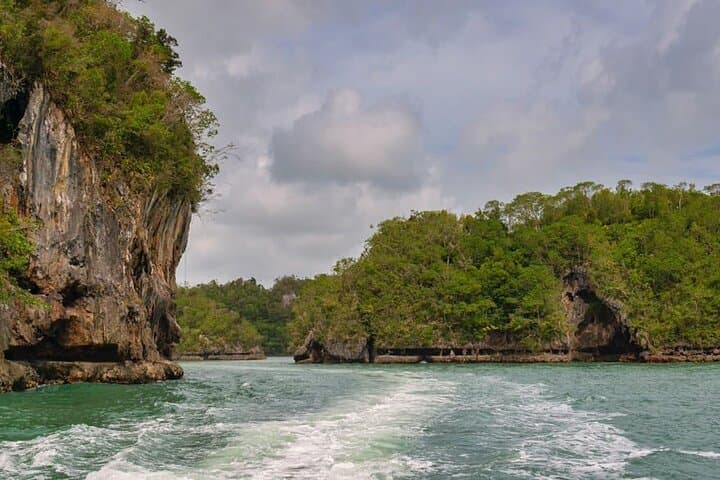
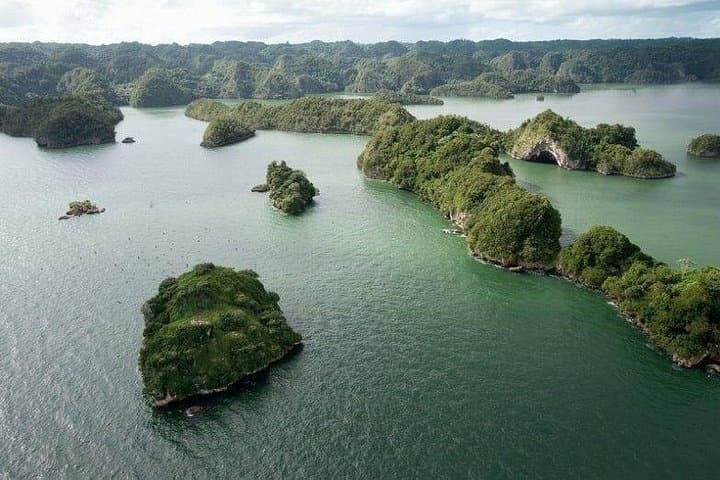
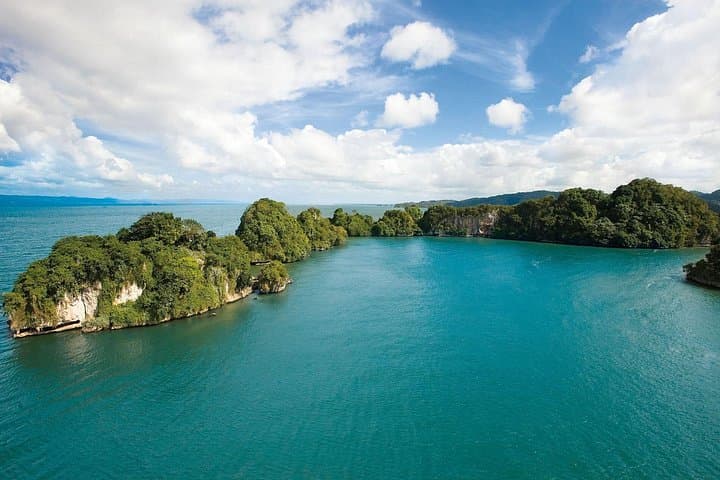
You glide through a corridor of red mangroves as the morning light strips the horizon—roots like cathedral pillars, water glass-smooth beneath the boat. Islands rise as low, jagged limestone knuckles; gulls wheel and the motor whispers. This is Los Haitises National Park, a coastal labyrinth where karst ridges, sea caves and dense mangrove forests meet the San Lorenzo and Samaná bays.
You glide through a corridor of red mangroves as the morning light strips the horizon—roots like cathedral pillars, water glass-smooth beneath the boat. Islands rise as low, jagged limestone knuckles; gulls wheel and the motor whispers. This is Los Haitises National Park, a coastal labyrinth where karst ridges, sea caves and dense mangrove forests meet the San Lorenzo and Samaná bays.
Formally protected in 1976, Los Haitises preserves one of Hispaniola’s most intact coastal ecosystems. The park’s limestone islands are the product of ancient coral reef uplift and freshwater erosion, leaving caves stamped with Taíno pictographs and domed caverns carved by time. Local communities around Miches and Sabana de la Mar maintain fishing and small-scale farming traditions; guided tours often include stories about Taíno heritage and the park’s role as a spawning ground for commercial species.
Expect a day of boat travel, short cave walks, birdwatching and a beach or river mouth stop depending on itinerary. Wildlife sightings commonly include frigatebirds, mangrove rails, and the elusive Hispaniolan hutia; in season (Jan–Mar) whale-watching is possible from nearby waters.
Practical tips: bring reef-safe sunscreen, a dry bag, water and layered sun protection; boats can be exposed and caves humid and slick. The tour is long—10–12 hours—so plan logistics (pickup points in Punta Cana, footwear for uneven cave floors, and motion-sickness remedies). Timing your visit for calmer seas and morning light improves wildlife viewing and photography. Leave no trace: mangroves are fragile nurseries—avoid stepping on roots or leaving litter.