THE ADVENTURE COLLECTIVE® · Independent discovery and booking for outdoor travel

Walk Westminster’s wartime footprint with a private guide who opens locked histories: Churchill’s bunker, air‑raid shelter remnants and memorials that mark the Blitz’s most destructive raids. This three‑hour tour pairs close-up sites with concise context.
Walk Westminster’s wartime footprint with a private guide who opens locked histories: Churchill’s bunker, air‑raid shelter remnants and memorials that mark the Blitz’s most destructive raids. This three‑hour tour pairs close-up sites with concise context.
A low winter light filters through the gap beside Big Ben as your private guide leads you away from the tourist crush into the quieter scars of wartime London. Pavement stones still remember the tramp of boots and the hush after sirens; the city’s architecture becomes a ledger of resilience as you pass war memorials, a surviving shelter mouth, and the outer walls of ruined churches that are now gardens.
Verified experiences and guided adventures in the surrounding area.
Operated by Ye Olde England Tours · London, England
A low winter light filters through the gap beside Big Ben as your private guide leads you away from the tourist crush into the quieter scars of wartime London. Pavement stones still remember the tramp of boots and the hush after sirens; the city’s architecture becomes a ledger of resilience as you pass war memorials, a surviving shelter mouth, and the outer walls of ruined churches that are now gardens.
The Blitz (Sept 1940–May 1941) reshaped London’s streets and its people. This three‑hour private walk moves through Westminster’s political heart — from the Battle of Britain memorial and Churchill’s wartime bunker to the sites of V2 and incendiary strikes — revealing how strategic geography, dense riverfronts and industrial targets made London a focal point of aerial warfare. Guides frame events with local anecdotes: firefighters’ responses, civilian rationing, and the evacuation of children by train.
Beyond history, the tour highlights urban geology — London clay that held bomb craters and the Thames’s role as both barrier and lifeline — and civic culture: debates in Parliament, public commemoration, and postwar rebuilding.
Practical notes: expect steady walking on paved streets for roughly three hours, with short stops at memorials and a final visit to Christchurch Greyfriars memorial garden. Wear comfortable shoes, bring a weatherproof layer (tours run in all weather), and allow time for transport delays around Westminster. The private format lets the guide tailor depth and pacing; ideal for anyone wanting focused context beyond plaques and guidebooks.
moderate.
3 hours.
Suitable for people who can walk steadily for 2–3 miles with occasional standing; moderate stamina required.
The tour is approximately three hours and typically covers around 2–3 miles (3–5 km) on paved streets with multiple short stops.
The itinerary notes an external visit to Churchill’s wartime bunker; inside access is generally not included due to security and ticketing restrictions.
Yes—it's a private tour, so guides can adjust pacing and focus (for example, civilian stories, military strategy, or memorial visits) when requested at booking.
The operator runs tours in all weather; guides recommend dressing in layers and bringing rain protection as the route remains outdoors with brief sheltered stops.
The Blitz (Sept 1940–May 1941) resulted from sustained Luftwaffe bombing that targeted London’s docks, industry and morale; Westminster’s government sites were repeatedly struck and repaired.
Sites are actively preserved as memorials and gardens; visitors are asked to respect plaques and plantings and avoid climbing on ruins to protect fragile masonry.
Ye Olde England Tours operates guided outdoor trips and adventures with an emphasis on safety, stewardship, and memorable experiences.
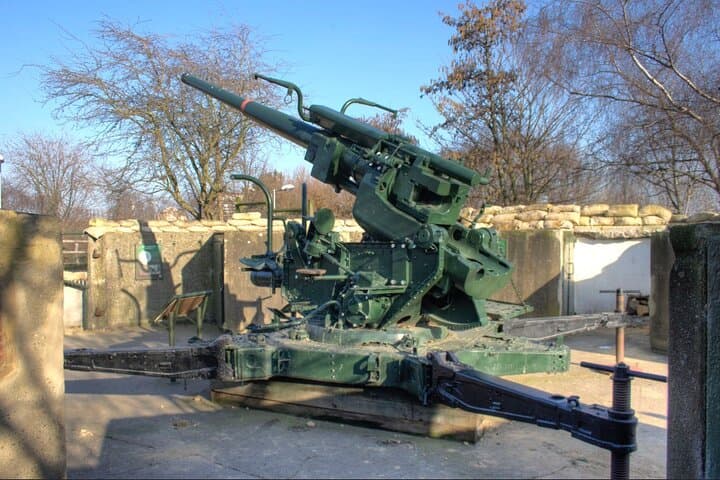
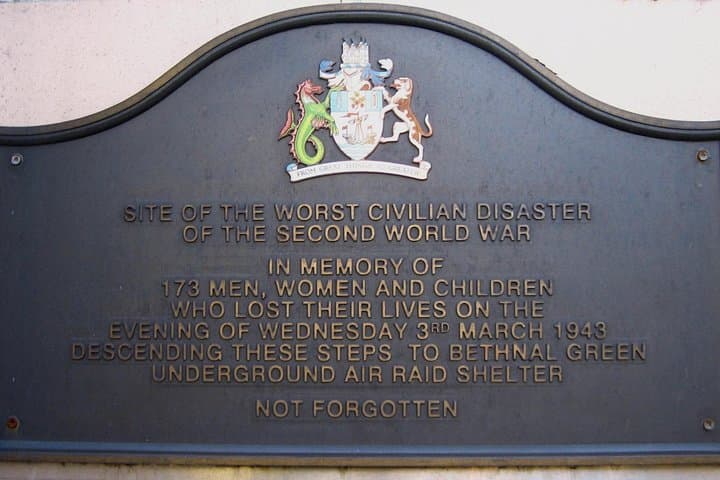
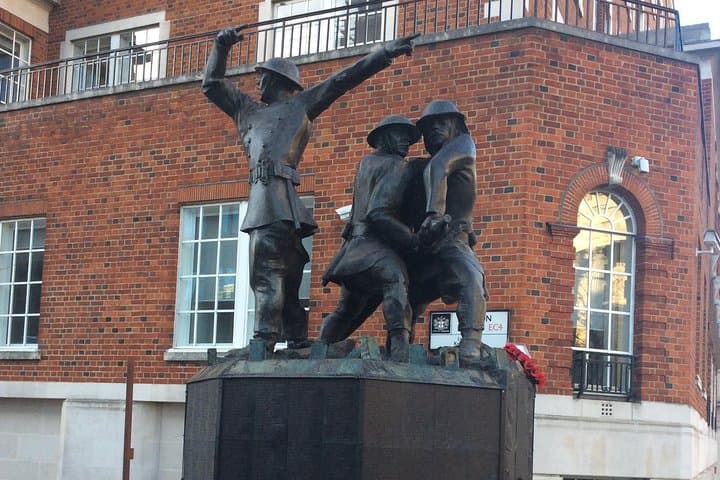
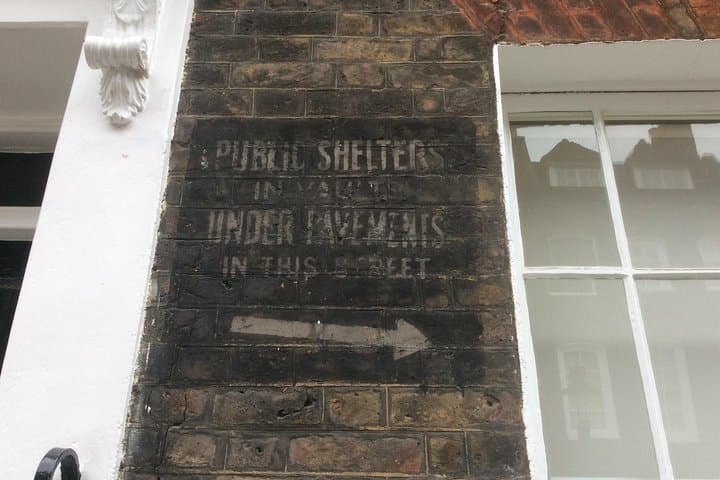
A low winter light filters through the gap beside Big Ben as your private guide leads you away from the tourist crush into the quieter scars of wartime London. Pavement stones still remember the tramp of boots and the hush after sirens; the city’s architecture becomes a ledger of resilience as you pass war memorials, a surviving shelter mouth, and the outer walls of ruined churches that are now gardens.
A low winter light filters through the gap beside Big Ben as your private guide leads you away from the tourist crush into the quieter scars of wartime London. Pavement stones still remember the tramp of boots and the hush after sirens; the city’s architecture becomes a ledger of resilience as you pass war memorials, a surviving shelter mouth, and the outer walls of ruined churches that are now gardens.
The Blitz (Sept 1940–May 1941) reshaped London’s streets and its people. This three‑hour private walk moves through Westminster’s political heart — from the Battle of Britain memorial and Churchill’s wartime bunker to the sites of V2 and incendiary strikes — revealing how strategic geography, dense riverfronts and industrial targets made London a focal point of aerial warfare. Guides frame events with local anecdotes: firefighters’ responses, civilian rationing, and the evacuation of children by train.
Beyond history, the tour highlights urban geology — London clay that held bomb craters and the Thames’s role as both barrier and lifeline — and civic culture: debates in Parliament, public commemoration, and postwar rebuilding.
Practical notes: expect steady walking on paved streets for roughly three hours, with short stops at memorials and a final visit to Christchurch Greyfriars memorial garden. Wear comfortable shoes, bring a weatherproof layer (tours run in all weather), and allow time for transport delays around Westminster. The private format lets the guide tailor depth and pacing; ideal for anyone wanting focused context beyond plaques and guidebooks.