THE ADVENTURE COLLECTIVE® · Independent discovery and booking for outdoor travel

A single-day excursion from Aurangabad that lands you at a rare meteorite-made lake carved into Deccan basalt. Expect a steep rim descent, ancient temples, alkaline waters and concentrated geology in a compact, walkable site.
A single-day excursion from Aurangabad that lands you at a rare meteorite-made lake carved into Deccan basalt. Expect a steep rim descent, ancient temples, alkaline waters and concentrated geology in a compact, walkable site.
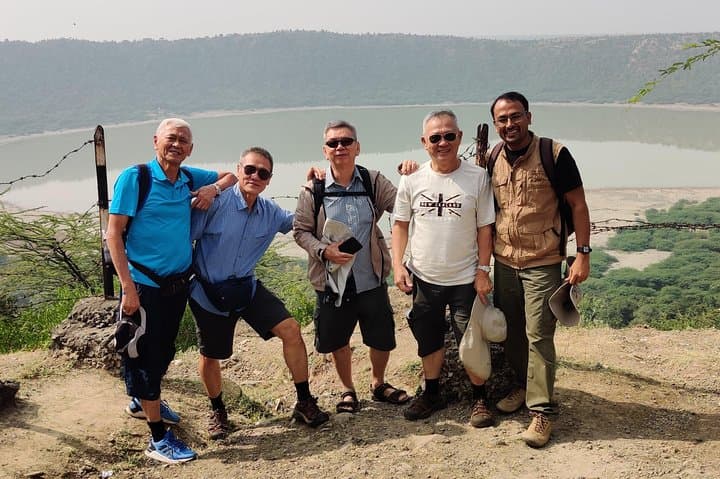
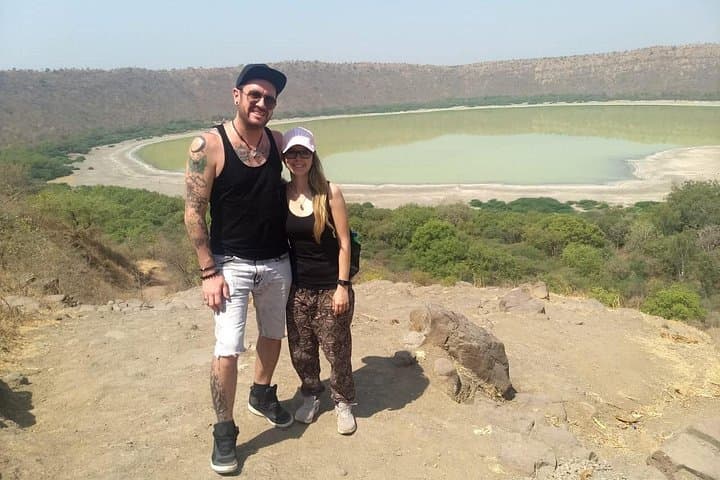
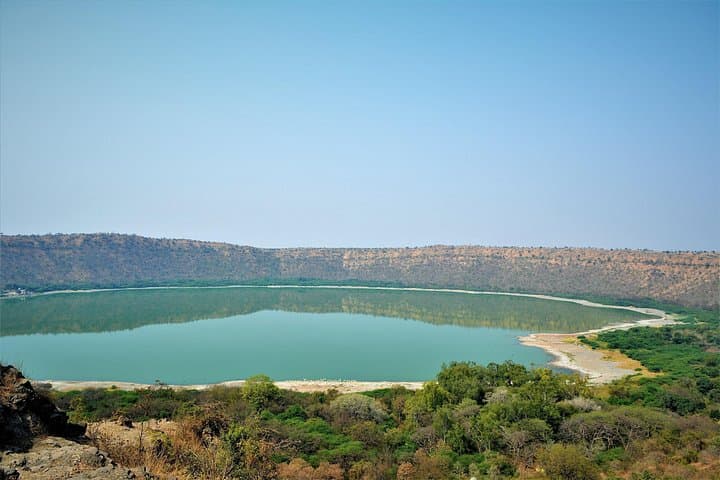
You arrive at the rim just after the sun clears a flat Deccan horizon: basalt cliffs bruise the sky, a circular green lake sits low and still, and the air carries the dry, resinous scent of scrub. The crater’s rim is broad enough to walk and narrow enough to feel a drop when you peer over—this is a place that makes scale obvious.
Verified experiences and guided adventures in the surrounding area.
Operated by TravelGreed Tourism · Lonar, Maharashtra
You arrive at the rim just after the sun clears a flat Deccan horizon: basalt cliffs bruise the sky, a circular green lake sits low and still, and the air carries the dry, resinous scent of scrub. The crater’s rim is broad enough to walk and narrow enough to feel a drop when you peer over—this is a place that makes scale obvious.
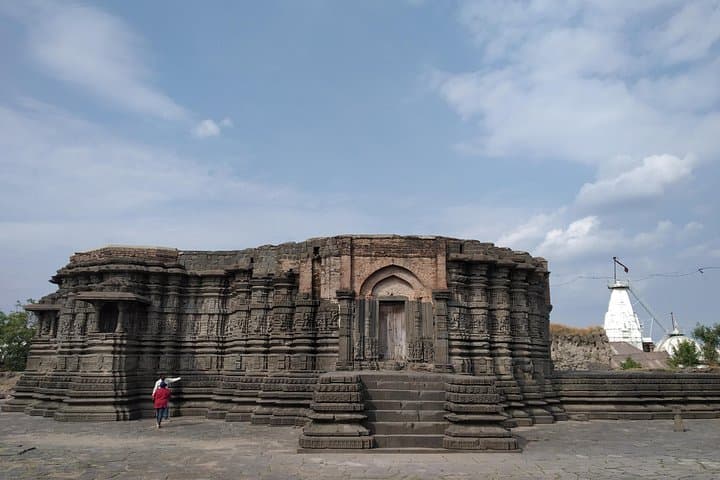
Lonar is not a volcano but an oblate bowl punched into basalt by a meteorite roughly 50,000 years ago; the lake inside is alkaline, fed by groundwater and rain rather than a stream. Around the lip, small medieval temples and stone carvings mark centuries of local devotion and pilgrimage—guides point out worn steps, shrine niches and stories tied to the Ramayana cycle.
Geology and folklore live side-by-side here: black basalt flows ring the depression, and the crater’s chemistry supports specialized microbes and a surprising variety of waders and resident birds. The drive from Aurangabad takes about 3–3.5 hours each way along rural state roads, so a full-day visit is the usual format.
Practical note: expect a short but steep trek down to lake level—loose rock and steep steps make good footwear mandatory. Carry at least 2 liters of water, sunscreen and a hat; shade is intermittent. Allow time to visit nearby temple sites and a viewpoint on the northern rim for photography. Respect temple etiquette and local guides, stay on marked paths to protect fragile soils and microbial mats, and plan an early start to avoid mid-afternoon heat on summer days.
moderate.
12–14 hours.
Moderate fitness: able to manage a steep, uneven descent/ascent and several hours of walking and standing
Expect about a 3–3.5 hour drive each way depending on traffic and road conditions; tours typically depart early morning and return the same evening.
Access to the rim viewpoints is easy, but reaching the lake requires a short, steep descent with uneven steps—not recommended for travelers with serious mobility issues, spinal injuries or poor cardiovascular health.
There is a modest site fee for the Lonar area; many visitors use a local guide to explain geology and temple history—organized day tours commonly include guide fees and transport.
Swimming is discouraged—the lake is alkaline and potentially harmful to skin and eyes; cultural and conservation considerations also advise against entering the water.
Lonar is an impact crater formed tens of thousands of years ago; human use around the lake includes centuries-old temples and pilgrim routes that reflect the area’s cultural linkages.
The lake’s alkaline ecosystem is fragile—stay on trails, avoid touching microbial mats and carry out all trash to protect water chemistry and nesting birds.
TravelGreed Tourism operates guided outdoor trips and adventures with an emphasis on safety, stewardship, and memorable experiences.
You arrive at the rim just after the sun clears a flat Deccan horizon: basalt cliffs bruise the sky, a circular green lake sits low and still, and the air carries the dry, resinous scent of scrub. The crater’s rim is broad enough to walk and narrow enough to feel a drop when you peer over—this is a place that makes scale obvious.
You arrive at the rim just after the sun clears a flat Deccan horizon: basalt cliffs bruise the sky, a circular green lake sits low and still, and the air carries the dry, resinous scent of scrub. The crater’s rim is broad enough to walk and narrow enough to feel a drop when you peer over—this is a place that makes scale obvious.
Lonar is not a volcano but an oblate bowl punched into basalt by a meteorite roughly 50,000 years ago; the lake inside is alkaline, fed by groundwater and rain rather than a stream. Around the lip, small medieval temples and stone carvings mark centuries of local devotion and pilgrimage—guides point out worn steps, shrine niches and stories tied to the Ramayana cycle.
Geology and folklore live side-by-side here: black basalt flows ring the depression, and the crater’s chemistry supports specialized microbes and a surprising variety of waders and resident birds. The drive from Aurangabad takes about 3–3.5 hours each way along rural state roads, so a full-day visit is the usual format.
Practical note: expect a short but steep trek down to lake level—loose rock and steep steps make good footwear mandatory. Carry at least 2 liters of water, sunscreen and a hat; shade is intermittent. Allow time to visit nearby temple sites and a viewpoint on the northern rim for photography. Respect temple etiquette and local guides, stay on marked paths to protect fragile soils and microbial mats, and plan an early start to avoid mid-afternoon heat on summer days.