THE ADVENTURE COLLECTIVE® · Independent discovery and booking for outdoor travel

Venture into Lava River Cave with an expert naturalist and learn to read the language of basalt. This three-hour guided lava tube tour from Bend combines hands-on geology, low-light photography tips, and practical advice for a safe subterranean adventure.
Venture into Lava River Cave with an expert naturalist and learn to read the language of basalt. This three-hour guided lava tube tour from Bend combines hands-on geology, low-light photography tips, and practical advice for a safe subterranean adventure.
You step off the bus into a wind-scoured parking area and the air changes—cool, mineral-rich and steady at about 45°F. Helmets click on, headlamps glow, and the world above narrows to a dark mouth in the basalt. For the next three hours, Wanderlust Tours leads you through a slice of the planet where time wrote itself in molten rock: Lava River Cave, Oregon’s longest known lava tube. Inside, the cave swallows daylight and replaces it with a close-up of geology—pitted ceilings, pahoehoe flow lines, and the patient hush of rock that has not seen sunrise for millennia.
Verified experiences and guided adventures in the surrounding area.
Operated by Wanderlust Tours · Bend, Oregon
You step off the bus into a wind-scoured parking area and the air changes—cool, mineral-rich and steady at about 45°F. Helmets click on, headlamps glow, and the world above narrows to a dark mouth in the basalt. For the next three hours, Wanderlust Tours leads you through a slice of the planet where time wrote itself in molten rock: Lava River Cave, Oregon’s longest known lava tube. Inside, the cave swallows daylight and replaces it with a close-up of geology—pitted ceilings, pahoehoe flow lines, and the patient hush of rock that has not seen sunrise for millennia.
This tube was carved during an effusive eruption from the Newberry volcanic complex. Basalt ran like a buried river, its surface cooling into a crust while molten interior continued to move, eventually draining and leaving behind corridors that stretch for miles. Native peoples knew the land long before scientific names; these caves later became part of early 20th-century naturalist inventories and today sit within networks of public and guided access that balance education with preservation.
What you feel in the cave—cool air, uneven footing, the echo of a guide’s voice—is geology teaching by experience. The guide points out ropy lava textures, skylights where the ceiling collapsed, and mineral stains that map past water and gas. Aboveground, the landscape is equally volcanic: vast lava fields, cinder cones like scars on the high desert, and the Newberry crater to the south. Local culture in Bend threads outdoor recreation with volcanic stewardship—visitor centers, interpretive signs and volunteer trail crews keep the story and landscape intact.
Practically, this is a wild-cave experience. There’s no paved path, no installed lighting; Wanderlust provides helmets and headlamps. Expect 45°F year-round—bring a warm midlayer. Closed-toe, supportive footwear is mandatory; expect scrambling over rocks and short steep steps. Tours depart from the company’s office in the Fred Meyer shopping center; arrive 10–15 minutes early to sign a waiver on your phone. Recommended age is 5+, but this is not suitable for those with impaired balance, pregnancy, or serious mobility restrictions.
Photography inside is low-light work—slow shutter speeds and steady hands or a compact tripod yield the best textures; outside, early morning and late afternoon cast the lava fields in long shadow. Guides weave geology and natural history into the route, making this not just a walk in the dark but a guided archaeology of recent Earth.
If you go: respect the cave—no chalk, no graffiti, keep lights dim near sensitive formations, and pack out what you carry in. The rawness of a lava tube rewards quiet curiosity: it’s tactile, informative, and a reminder that the ground beneath our feet is itself an active player in the story of place.
moderate.
3 hours.
Comfortable with standing, walking on uneven ground, and a few short scrambles; suitable for most active families.
Wanderlust recommends children aged 5 and older; kids should be comfortable walking on uneven terrain and able to follow guide instructions.
Yes—Wanderlust supplies helmets and headlamps for all guests; you can bring your own if preferred.
No—the cave is a wild environment with uneven surfaces and short scrambles; it’s not recommended for those with significant balance or mobility issues.
Layered clothing with a warm midlayer (fleece), long pants, and closed-toe sturdy shoes; the cave stays about 45°F year-round.
Yes—photos are allowed, but bring a camera that performs well in low light or a tripod; be mindful of other guests and avoid bright lights that disturb wildlife.
All sales are final under the tour’s policy; confirm details at booking and contact the operator directly with questions.
The tube formed during Newberry volcanic activity when basaltic lava flowed and drained, leaving long subterranean passages; the area has been studied and visited by locals and early naturalists for over a century.
Keep to guidance to avoid damaging fragile features—no graffiti, no touching delicate formations, and pack out all trash; guided access helps manage human impact.
Wanderlust Tours operates guided outdoor trips and adventures with an emphasis on safety, stewardship, and memorable experiences.
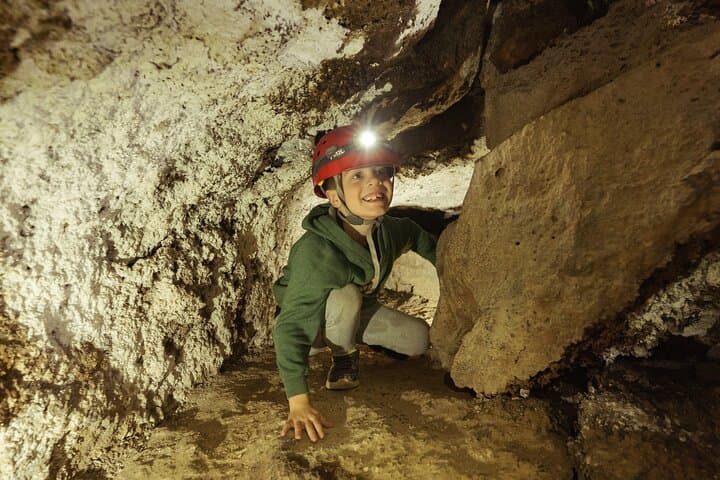
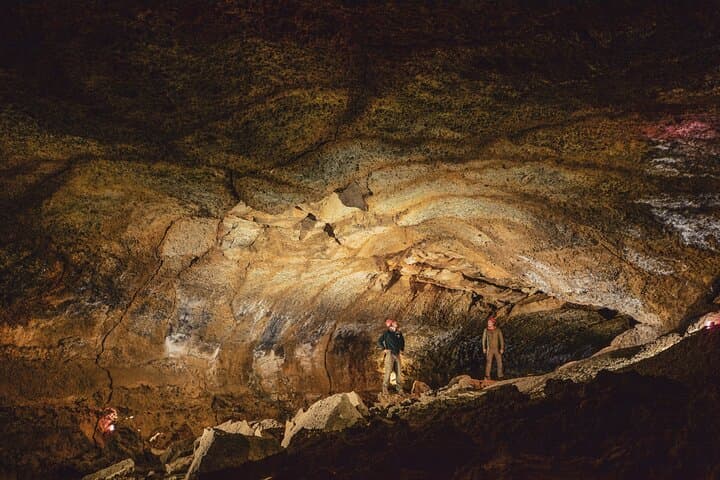
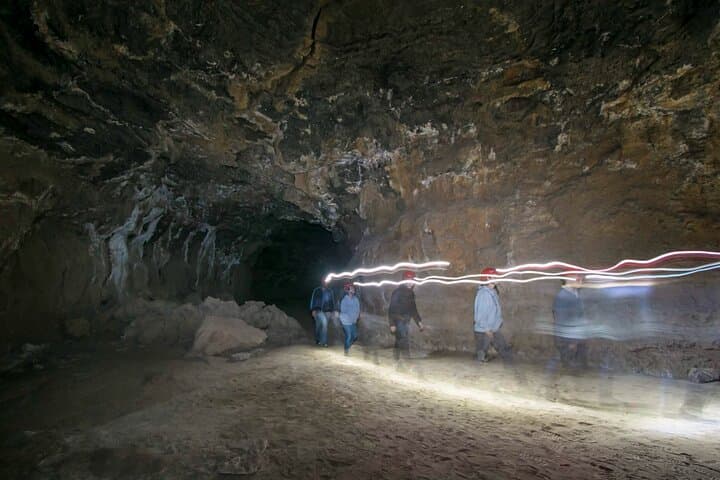
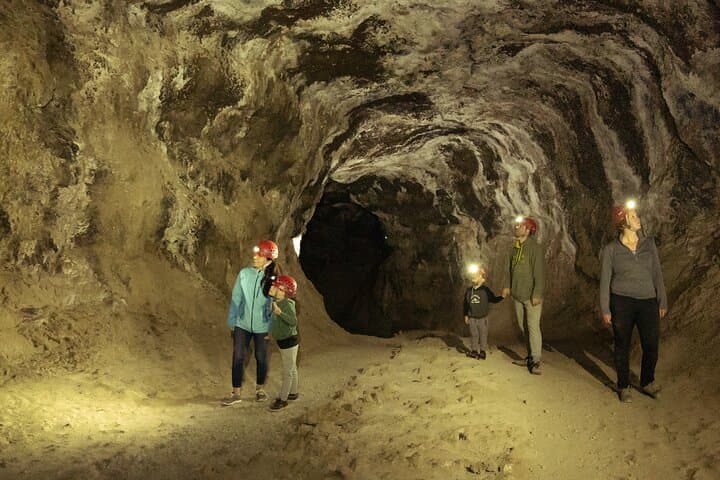
You step off the bus into a wind-scoured parking area and the air changes—cool, mineral-rich and steady at about 45°F. Helmets click on, headlamps glow, and the world above narrows to a dark mouth in the basalt. For the next three hours, Wanderlust Tours leads you through a slice of the planet where time wrote itself in molten rock: Lava River Cave, Oregon’s longest known lava tube. Inside, the cave swallows daylight and replaces it with a close-up of geology—pitted ceilings, pahoehoe flow lines, and the patient hush of rock that has not seen sunrise for millennia.
You step off the bus into a wind-scoured parking area and the air changes—cool, mineral-rich and steady at about 45°F. Helmets click on, headlamps glow, and the world above narrows to a dark mouth in the basalt. For the next three hours, Wanderlust Tours leads you through a slice of the planet where time wrote itself in molten rock: Lava River Cave, Oregon’s longest known lava tube. Inside, the cave swallows daylight and replaces it with a close-up of geology—pitted ceilings, pahoehoe flow lines, and the patient hush of rock that has not seen sunrise for millennia.
This tube was carved during an effusive eruption from the Newberry volcanic complex. Basalt ran like a buried river, its surface cooling into a crust while molten interior continued to move, eventually draining and leaving behind corridors that stretch for miles. Native peoples knew the land long before scientific names; these caves later became part of early 20th-century naturalist inventories and today sit within networks of public and guided access that balance education with preservation.
What you feel in the cave—cool air, uneven footing, the echo of a guide’s voice—is geology teaching by experience. The guide points out ropy lava textures, skylights where the ceiling collapsed, and mineral stains that map past water and gas. Aboveground, the landscape is equally volcanic: vast lava fields, cinder cones like scars on the high desert, and the Newberry crater to the south. Local culture in Bend threads outdoor recreation with volcanic stewardship—visitor centers, interpretive signs and volunteer trail crews keep the story and landscape intact.
Practically, this is a wild-cave experience. There’s no paved path, no installed lighting; Wanderlust provides helmets and headlamps. Expect 45°F year-round—bring a warm midlayer. Closed-toe, supportive footwear is mandatory; expect scrambling over rocks and short steep steps. Tours depart from the company’s office in the Fred Meyer shopping center; arrive 10–15 minutes early to sign a waiver on your phone. Recommended age is 5+, but this is not suitable for those with impaired balance, pregnancy, or serious mobility restrictions.
Photography inside is low-light work—slow shutter speeds and steady hands or a compact tripod yield the best textures; outside, early morning and late afternoon cast the lava fields in long shadow. Guides weave geology and natural history into the route, making this not just a walk in the dark but a guided archaeology of recent Earth.
If you go: respect the cave—no chalk, no graffiti, keep lights dim near sensitive formations, and pack out what you carry in. The rawness of a lava tube rewards quiet curiosity: it’s tactile, informative, and a reminder that the ground beneath our feet is itself an active player in the story of place.