THE ADVENTURE COLLECTIVE® · Independent discovery and booking for outdoor travel

Walk inside eleven rock-hewn churches and hike to the 13th-century Asheton Maryam monastery over two days in Lalibela. This solo-friendly itinerary pairs living religious tradition with panoramic highland views.
Walk inside eleven rock-hewn churches and hike to the 13th-century Asheton Maryam monastery over two days in Lalibela. This solo-friendly itinerary pairs living religious tradition with panoramic highland views.
You arrive before dawn and the town is still waking; cool mountain air pushes across the plaza and the rock-hewn churches sit silent, their shadows crawling down carved stone as light finds the narrow windows.
Verified experiences and guided adventures in the surrounding area.
Operated by Travel Africa Tours · Lalibela, Amhara
You arrive before dawn and the town is still waking; cool mountain air pushes across the plaza and the rock-hewn churches sit silent, their shadows crawling down carved stone as light finds the narrow windows.
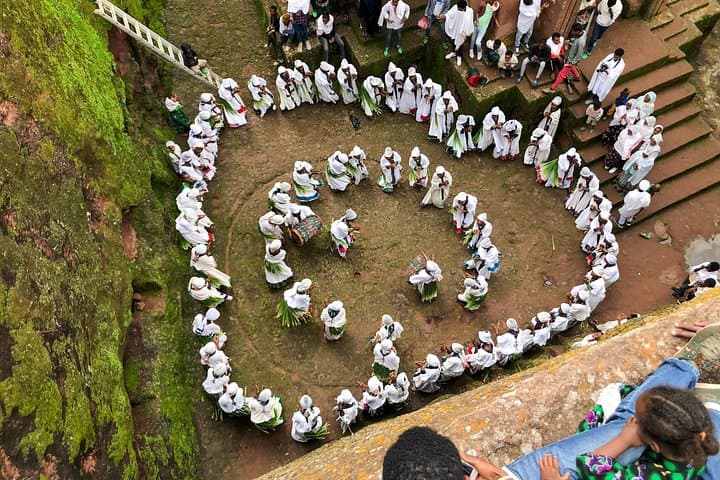
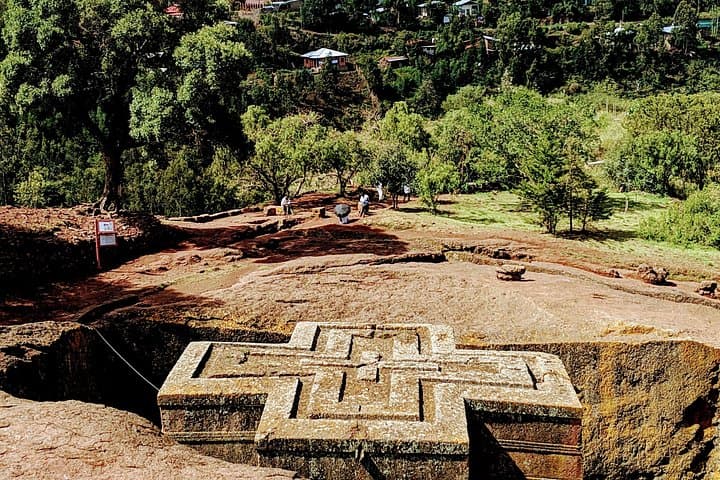
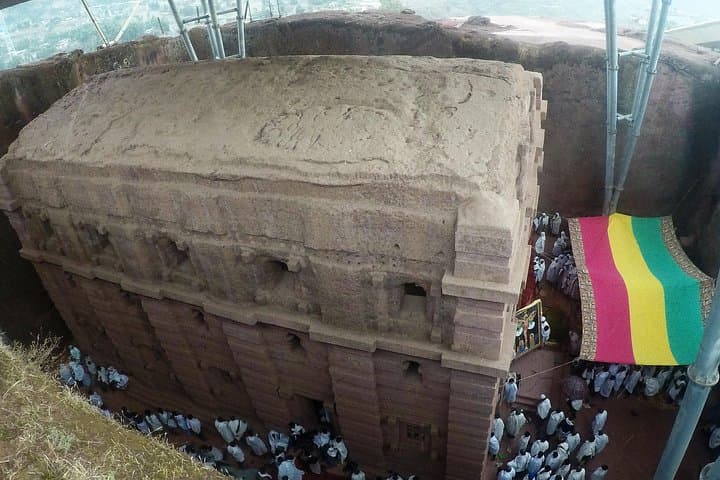
These eleven monolithic churches, hewn directly from volcanic tufa in the 12th–13th centuries under King Lalibela, reward patient observation: worn stairways, carved doorways and interior frescoes where worship continues much as it has for centuries. Geologically, the churches are carved from a relatively soft volcanic tuff, which made precise chiseling possible but leaves the structures vulnerable to erosion—hence the careful paths that guide visitors.
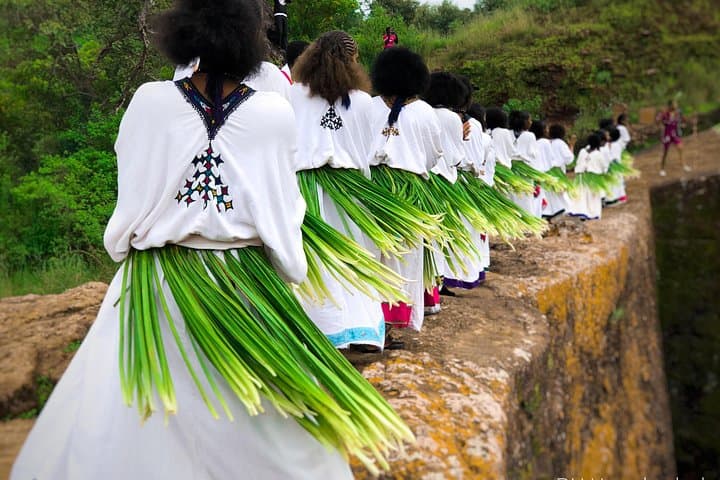
Culture here is tactile. Entering a church, you feel centuries of prayer and the weight of living tradition; priests still guard relics, and local markets spill color onto the streets once a week. Asheton Maryam monastery sits above town, accessed by a steady uphill trail that gives way to panoramic ridgelines; the wind seems to urge you onward as you climb.
Practical guidance: this two-day loop mixes short walks through uneven rock cuttings with a moderate 1–2 hour hike to Asheton Maryam. Expect steep steps, narrow passages and occasional low ceilings—sturdy shoes are non-negotiable. Bring layered clothing for cool mornings and warmer afternoons, a modest outfit for interiors, sunscreen, and small bills for the weekly market and coffee ceremonies. Altitude (≈2,500–2,700 m) can make exertion feel harder; sip water and pace the ascent.
Tours often include hotel pickup and entrance fees; ask whether photography restrictions apply inside sanctuaries. With preparation, Lalibela is a compact, profound combination of landscape, faith and carved rock that rewards careful travel.
easy.
2 days.
Suitable for travelers with basic fitness who can handle short uphill hikes and stairs at altitude; allow time to acclimatize.
This tour typically includes national park/entrance fees—confirm on booking, but local admissions to certain sites are often covered.
The hike is moderate: expect 1–2 hours of uphill walking on a mixture of dirt trail and stone steps; pace yourself at altitude.
Photography rules vary by church—some interiors restrict flash or photos out of respect for worship; follow guide and posted signs.
Lalibela sits around 2,500–2,700 m; allow a day to adjust if coming from lowland Ethiopia, drink water and avoid heavy exertion on arrival.
Lalibela’s eleven monolithic churches date to the 12th–13th centuries under King Lalibela and form a UNESCO World Heritage Site central to Ethiopian Orthodox culture.
The tufa rock is vulnerable to erosion and water damage—stay on marked paths, avoid touching delicate carvings, and support local conservation efforts by following site rules.
Travel Africa Tours operates guided outdoor trips and adventures with an emphasis on safety, stewardship, and memorable experiences.
You arrive before dawn and the town is still waking; cool mountain air pushes across the plaza and the rock-hewn churches sit silent, their shadows crawling down carved stone as light finds the narrow windows.
You arrive before dawn and the town is still waking; cool mountain air pushes across the plaza and the rock-hewn churches sit silent, their shadows crawling down carved stone as light finds the narrow windows.
These eleven monolithic churches, hewn directly from volcanic tufa in the 12th–13th centuries under King Lalibela, reward patient observation: worn stairways, carved doorways and interior frescoes where worship continues much as it has for centuries. Geologically, the churches are carved from a relatively soft volcanic tuff, which made precise chiseling possible but leaves the structures vulnerable to erosion—hence the careful paths that guide visitors.
Culture here is tactile. Entering a church, you feel centuries of prayer and the weight of living tradition; priests still guard relics, and local markets spill color onto the streets once a week. Asheton Maryam monastery sits above town, accessed by a steady uphill trail that gives way to panoramic ridgelines; the wind seems to urge you onward as you climb.
Practical guidance: this two-day loop mixes short walks through uneven rock cuttings with a moderate 1–2 hour hike to Asheton Maryam. Expect steep steps, narrow passages and occasional low ceilings—sturdy shoes are non-negotiable. Bring layered clothing for cool mornings and warmer afternoons, a modest outfit for interiors, sunscreen, and small bills for the weekly market and coffee ceremonies. Altitude (≈2,500–2,700 m) can make exertion feel harder; sip water and pace the ascent.
Tours often include hotel pickup and entrance fees; ask whether photography restrictions apply inside sanctuaries. With preparation, Lalibela is a compact, profound combination of landscape, faith and carved rock that rewards careful travel.