THE ADVENTURE COLLECTIVE® · Independent discovery and booking for outdoor travel

Walk through carved rock corridors to 12th-century churches and hike up to Asheton Mariam for sweeping highland views. This two-day cultural trek combines close-up history with short, steep climbs and mule-assisted access.
Walk through carved rock corridors to 12th-century churches and hike up to Asheton Mariam for sweeping highland views. This two-day cultural trek combines close-up history with short, steep climbs and mule-assisted access.
You step off the dusty road into a courtyard of stone and light — carved blocks, narrow passageways and the hush of centuries pressing close. The rock-hewn churches of Lalibela rise from the earth as if the mountain itself decided to open and reveal sanctuaries, each doorway leading to shadowed interiors where candle smoke hangs like memory.
Verified experiences and guided adventures in the surrounding area.
Operated by Addis Ethiopia Tours · Lalibela, Amhara Region
You step off the dusty road into a courtyard of stone and light — carved blocks, narrow passageways and the hush of centuries pressing close. The rock-hewn churches of Lalibela rise from the earth as if the mountain itself decided to open and reveal sanctuaries, each doorway leading to shadowed interiors where candle smoke hangs like memory.
Built in the 12th and 13th centuries under King Lalibela, the eleven monolithic and semi-monolithic churches form three distinct groups linked by trenches and tunnels. Geologically they are sculpted from the region's volcanic tuff; the soft rock made precise carving possible and also demands careful conservation. Local priests and worshippers maintain living traditions — morning chants, embroidered robes and ritual processions — that give the site cultural urgency beyond its masonry.
On day two you hike or ride on mule tracks up to Asheton Mariam, a 13th-century monastery perched above ridgelines, where the city falls away and the highland air pushes at your face. The ascent is short but steep; views reward the effort with wide panoramas of the northern Ethiopian plateau.
Practical guidance: plan for two days, moderate fitness, and uneven stone underfoot. Carry sun protection, bring cash for small donations and guides, and respect the formal dress code — shoulders and knees covered inside churches. Expect guided transfers in town and the option to ride mules to Asheton Mariam. Start early to avoid midday heat, permit photography where allowed, and leave no trace — these carved places are fragile and communal.
moderate.
2 days (≈48 hours).
Moderate — able to manage short steep hikes and stairs; some portions are navigable by mule.
Entrance fees to Lalibela's churches and Asheton Mariam are typically paid locally; check with your operator as the Viator listing indicates admissions are not included.
The route involves a steep short hike or an easier mule ride; it requires moderate fitness and comfortable ankle support.
Photography rules vary by church and by service times; always ask a guide or attendant before photographing interiors.
Infants are allowed but must sit on an adult's lap during transfers; consider altitude and irregular surfaces when traveling with very young children.
The Lalibela complex dates to the 12th–13th centuries and was carved from volcanic tuff as a deliberate replication of Jerusalem for a medieval Christian kingdom.
The soft tuff is vulnerable to erosion and foot traffic; follow marked paths, avoid touching fragile carvings and support local conservation efforts.
Addis Ethiopia Tours operates guided outdoor trips and adventures with an emphasis on safety, stewardship, and memorable experiences.
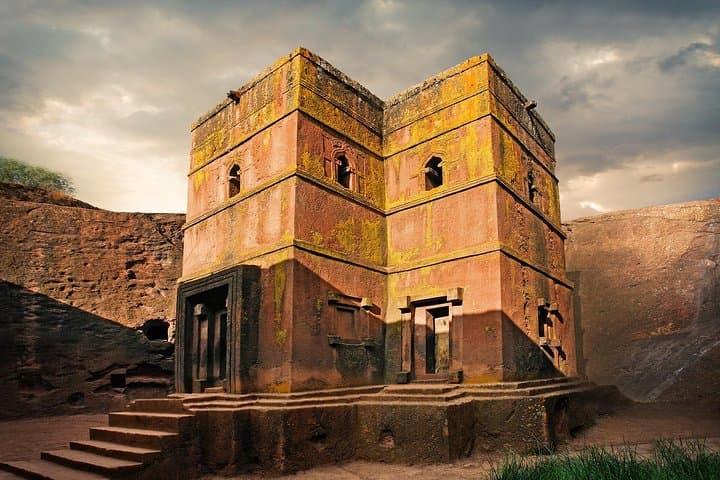
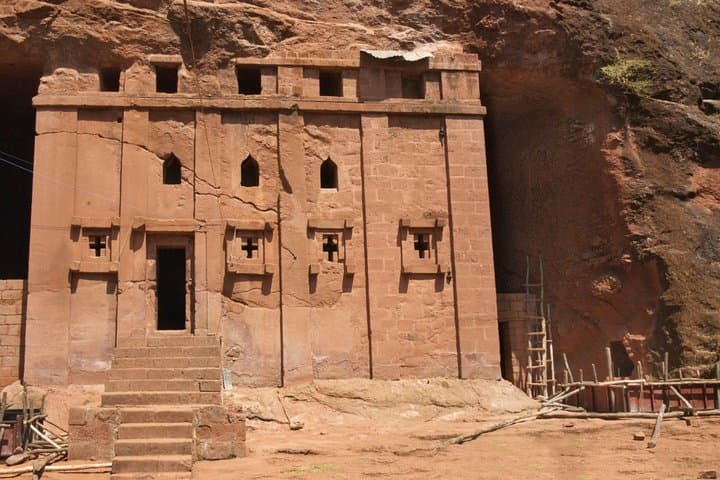
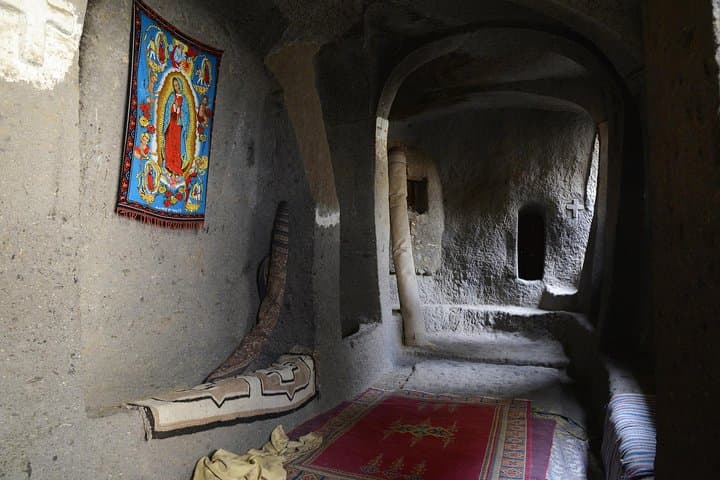
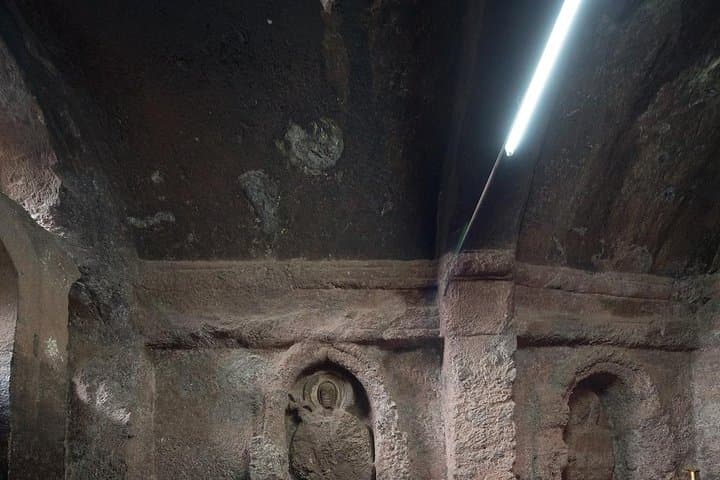
You step off the dusty road into a courtyard of stone and light — carved blocks, narrow passageways and the hush of centuries pressing close. The rock-hewn churches of Lalibela rise from the earth as if the mountain itself decided to open and reveal sanctuaries, each doorway leading to shadowed interiors where candle smoke hangs like memory.
You step off the dusty road into a courtyard of stone and light — carved blocks, narrow passageways and the hush of centuries pressing close. The rock-hewn churches of Lalibela rise from the earth as if the mountain itself decided to open and reveal sanctuaries, each doorway leading to shadowed interiors where candle smoke hangs like memory.
Built in the 12th and 13th centuries under King Lalibela, the eleven monolithic and semi-monolithic churches form three distinct groups linked by trenches and tunnels. Geologically they are sculpted from the region's volcanic tuff; the soft rock made precise carving possible and also demands careful conservation. Local priests and worshippers maintain living traditions — morning chants, embroidered robes and ritual processions — that give the site cultural urgency beyond its masonry.
On day two you hike or ride on mule tracks up to Asheton Mariam, a 13th-century monastery perched above ridgelines, where the city falls away and the highland air pushes at your face. The ascent is short but steep; views reward the effort with wide panoramas of the northern Ethiopian plateau.
Practical guidance: plan for two days, moderate fitness, and uneven stone underfoot. Carry sun protection, bring cash for small donations and guides, and respect the formal dress code — shoulders and knees covered inside churches. Expect guided transfers in town and the option to ride mules to Asheton Mariam. Start early to avoid midday heat, permit photography where allowed, and leave no trace — these carved places are fragile and communal.