THE ADVENTURE COLLECTIVE® · Independent discovery and booking for outdoor travel

Walk through 12th-century carved stone as your guide reveals Lalibela’s 11 rock-hewn churches, their rituals and geology. This full-day tour blends hands-on local culture—coffee ceremony and music—with clear practicalities for visiting an active UNESCO site.
Walk through 12th-century carved stone as your guide reveals Lalibela’s 11 rock-hewn churches, their rituals and geology. This full-day tour blends hands-on local culture—coffee ceremony and music—with clear practicalities for visiting an active UNESCO site.
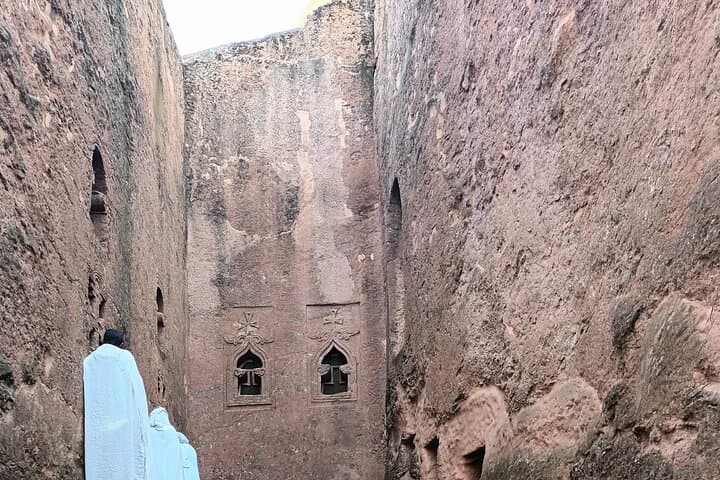
Morning light slices down the narrow alleys of Lalibela as a guide leads the group through carved stone corridors, the smell of fresh coffee drifting from a nearby home. Visitors move from chamber to chamber where sunlight pools on worn steps and the echo of footsteps becomes part of the architecture.
Verified experiences and guided adventures in the surrounding area.
Operated by Highland Eco Trekking Tours Ethiopia · Lalibela, Amhara
Morning light slices down the narrow alleys of Lalibela as a guide leads the group through carved stone corridors, the smell of fresh coffee drifting from a nearby home. Visitors move from chamber to chamber where sunlight pools on worn steps and the echo of footsteps becomes part of the architecture.
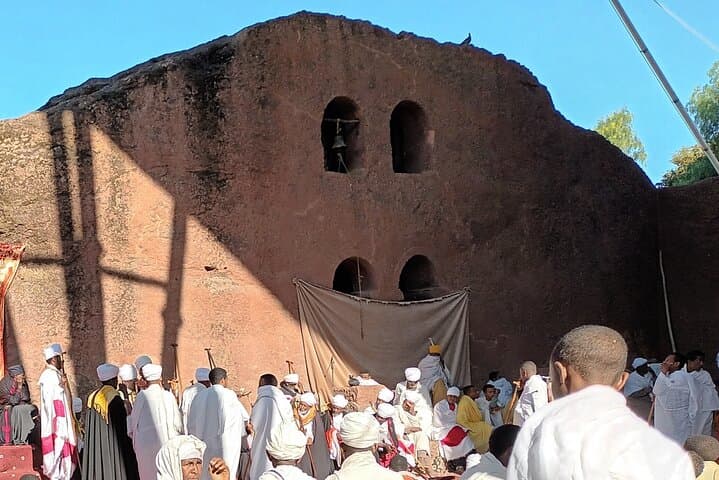
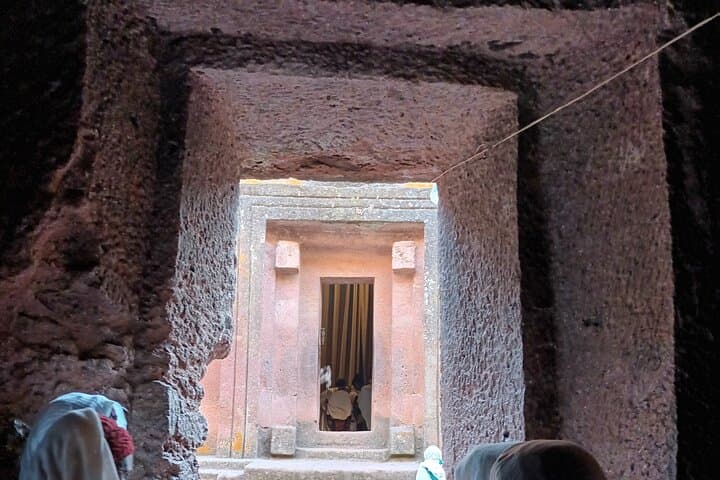
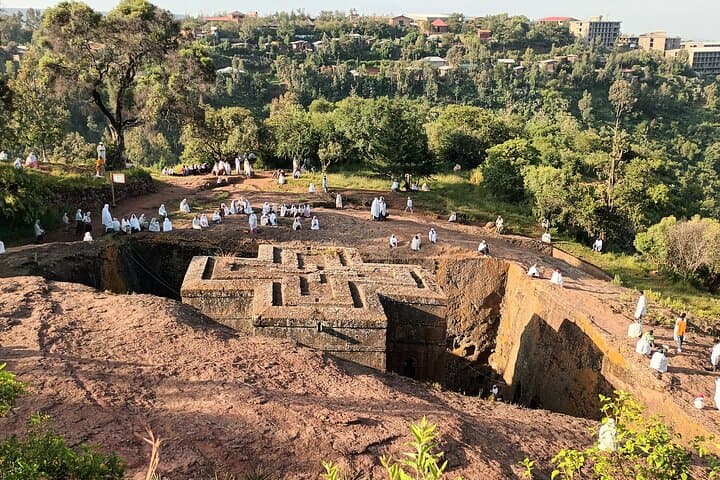
The eleven principal churches date to the 12th–13th centuries, commissioned under King Lalibela and carved directly from living rock as a symbolic ‘New Jerusalem.’ Geologically the site sits in the Ethiopian highlands—soft volcanic tuff that allowed artisans to sculpt monolithic sanctuaries, stairways and cisterns in a compact village plan that still serves active worship communities.
Culturally the churches are both liturgical centers and living heritage: liturgies, crosses and illuminated manuscripts connect visitors to Ethiopia’s Orthodox traditions. Guides typically include a stop at a local household for a coffee ceremony and may point out lesser-known carvings and subterranean passageways.
Practically, expect six hours on foot across uneven stone, shallow steps and narrow passageways; some churches close around midday for services. Wear grippy shoes, dress respectfully (shoulders and knees covered) and carry water—shade is limited. Photography rules vary by church and by service; always ask the attendant. The town’s altitude (about 2,500 m) can make the pace feel harder than the distance suggests; move deliberately, hydrate, and let the guide manage permit or ticket logistics. By afternoon you leave with a clearer sense of why this remote cluster remains among Ethiopia’s most compelling cultural landscapes.
easy.
6 hours.
Light to moderate walking ability; able to manage uneven stone steps and short staircases at altitude.
Tour prices often exclude the official site ticket; guides typically assist with purchasing the Lalibela archaeological site ticket on arrival.
Yes—physically the tour is gentle, but infants must sit on laps and some areas have tight steps; evaluate mobility and comfort with crowds.
Photography policies vary by church and during services—always ask your guide or the attendant before taking photos.
Lalibela is about a 1–1.5 hour flight from Addis Ababa or a long multi-day drive; many visitors fly to maximize time on-site.
The churches were hewn from volcanic tuff in the 12th–13th centuries under King Lalibela and are a UNESCO World Heritage Site, conceived as a pilgrimage complex.
The soft rock is vulnerable to erosion and visitor wear; follow rope lines, avoid touching fragile carvings and support local guides and preservation fees when offered.
Highland Eco Trekking Tours Ethiopia operates guided outdoor trips and adventures with an emphasis on safety, stewardship, and memorable experiences.
Morning light slices down the narrow alleys of Lalibela as a guide leads the group through carved stone corridors, the smell of fresh coffee drifting from a nearby home. Visitors move from chamber to chamber where sunlight pools on worn steps and the echo of footsteps becomes part of the architecture.
Morning light slices down the narrow alleys of Lalibela as a guide leads the group through carved stone corridors, the smell of fresh coffee drifting from a nearby home. Visitors move from chamber to chamber where sunlight pools on worn steps and the echo of footsteps becomes part of the architecture.
The eleven principal churches date to the 12th–13th centuries, commissioned under King Lalibela and carved directly from living rock as a symbolic ‘New Jerusalem.’ Geologically the site sits in the Ethiopian highlands—soft volcanic tuff that allowed artisans to sculpt monolithic sanctuaries, stairways and cisterns in a compact village plan that still serves active worship communities.
Culturally the churches are both liturgical centers and living heritage: liturgies, crosses and illuminated manuscripts connect visitors to Ethiopia’s Orthodox traditions. Guides typically include a stop at a local household for a coffee ceremony and may point out lesser-known carvings and subterranean passageways.
Practically, expect six hours on foot across uneven stone, shallow steps and narrow passageways; some churches close around midday for services. Wear grippy shoes, dress respectfully (shoulders and knees covered) and carry water—shade is limited. Photography rules vary by church and by service; always ask the attendant. The town’s altitude (about 2,500 m) can make the pace feel harder than the distance suggests; move deliberately, hydrate, and let the guide manage permit or ticket logistics. By afternoon you leave with a clearer sense of why this remote cluster remains among Ethiopia’s most compelling cultural landscapes.