THE ADVENTURE COLLECTIVE® · Independent discovery and booking for outdoor travel

A full-day boat tour from Puno to the Uros floating islands and Taquile offers a close look at totora reed construction, distinctive textile traditions, and high-altitude lake scenery. Ideal for travelers who want culture, easy walks, and clear vistas in one outing.
A full-day boat tour from Puno to the Uros floating islands and Taquile offers a close look at totora reed construction, distinctive textile traditions, and high-altitude lake scenery. Ideal for travelers who want culture, easy walks, and clear vistas in one outing.
Morning light slices across Lake Titicaca and the boat’s bow parts cool, thin air as you leave Puno’s pier. The water here sits at nearly 3,800 meters, so every breath feels deliberate; the landscape is wide, wind-sculpted and stark, with reeds punctuating the surface like living ropes.
Verified experiences and guided adventures in the surrounding area.
Operated by Planet Odysseys · Puno, Puno
Morning light slices across Lake Titicaca and the boat’s bow parts cool, thin air as you leave Puno’s pier. The water here sits at nearly 3,800 meters, so every breath feels deliberate; the landscape is wide, wind-sculpted and stark, with reeds punctuating the surface like living ropes.
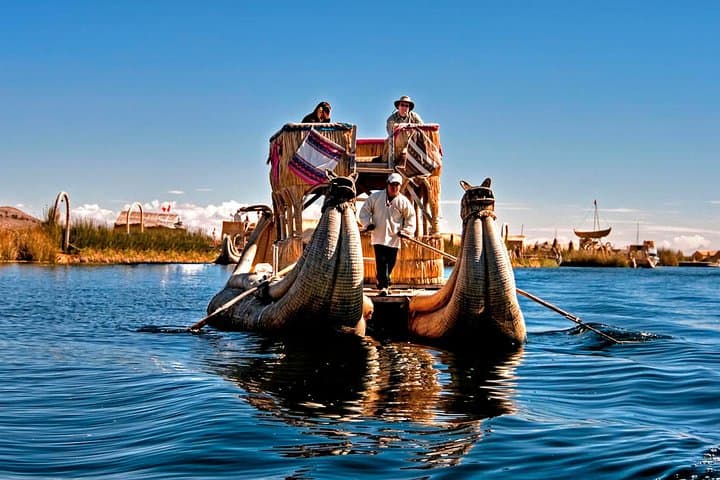
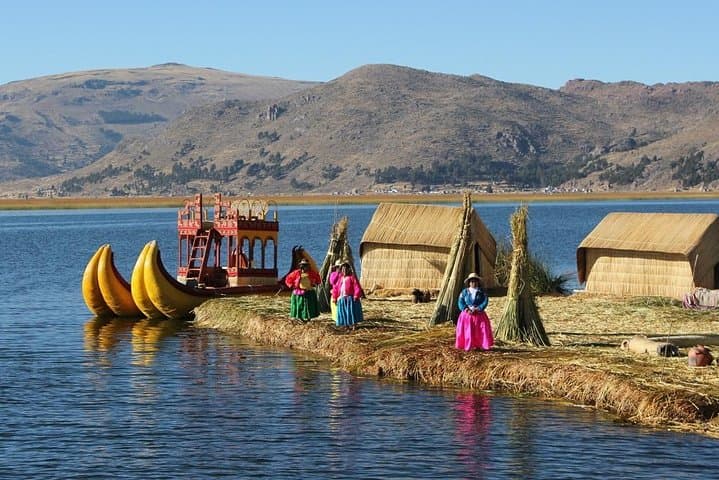
History is present in plain view: the Uros floating islands are human-made platforms of totora reed whose maintenance reaches back before the Inca. On arrival, islanders—often in bright traditional dress—explain how layers of dried totora are anchored and renewed to keep homes buoyant. The reed boats are literal extensions of that craft; a short extra sail offers a hands-on sense for how these communities have adapted to life afloat.
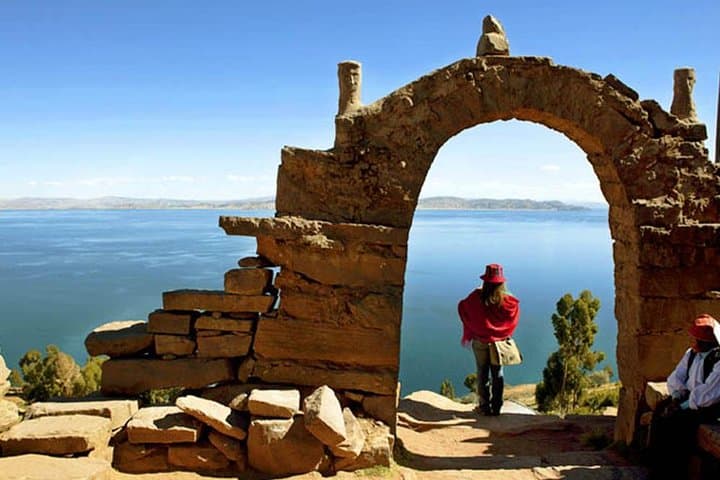
Taquile, a compact, green mound rising from the lake, is quieter and more terrestrial. Its Quechua-speaking residents are famed for textile traditions—here, knitting is primarily a male craft and the island’s terraces and narrow paths frame impressive lake views. Lunch at a local restaurant typically features trout or local stews and a chance to try freshly brewed mate de coca if you need altitude comfort.
Practicalities: expect a full-day outing (about nine hours), steady sun and high winds, and short, uneven walks on reed or stone surfaces. Guides handle permits and transfers from central Puno; bring layered clothing, sun protection, and cash for handicrafts and optional reed-boat rides. The day rewards with culture, craft, and a clear sense of how people and place have shaped each other on the world’s highest navigable lake.
easy.
8–9 hours.
Suitable for most fitness levels; requires comfortable walking on uneven surfaces and ability to board small boats.
The tour runs about nine hours including hotel pickup, stops at Uros and Taquile, lunch, and return to Puno.
Yes—it's rated as easy, though infants must sit on laps and anyone with serious heart conditions should avoid high-altitude boat excursions.
Yes; both Uros and Taquile have local artisans selling textiles and crafts—bring cash in Peruvian soles for purchases.
Lunch and entrance fees are included in this tour, and a bilingual guide is provided along with transfers from central Puno.
The Uros islands predate the Inca and were originally constructed by communities who used totora reed for shelter, food and flotation to avoid conflicts on the mainland.
Totora reed harvesting and tourism both impact lake ecology; support community-run projects and avoid buying plastic or souvenirs that harm wetlands.
Planet Odysseys operates guided outdoor trips and adventures with an emphasis on safety, stewardship, and memorable experiences.
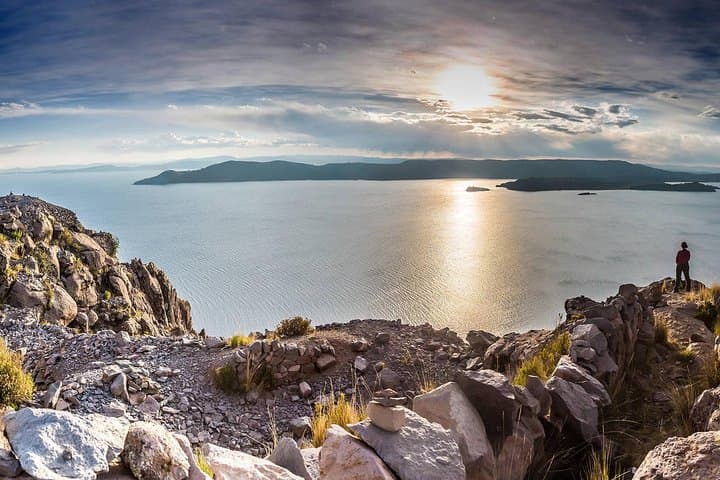
Morning light slices across Lake Titicaca and the boat’s bow parts cool, thin air as you leave Puno’s pier. The water here sits at nearly 3,800 meters, so every breath feels deliberate; the landscape is wide, wind-sculpted and stark, with reeds punctuating the surface like living ropes.
Morning light slices across Lake Titicaca and the boat’s bow parts cool, thin air as you leave Puno’s pier. The water here sits at nearly 3,800 meters, so every breath feels deliberate; the landscape is wide, wind-sculpted and stark, with reeds punctuating the surface like living ropes.
History is present in plain view: the Uros floating islands are human-made platforms of totora reed whose maintenance reaches back before the Inca. On arrival, islanders—often in bright traditional dress—explain how layers of dried totora are anchored and renewed to keep homes buoyant. The reed boats are literal extensions of that craft; a short extra sail offers a hands-on sense for how these communities have adapted to life afloat.
Taquile, a compact, green mound rising from the lake, is quieter and more terrestrial. Its Quechua-speaking residents are famed for textile traditions—here, knitting is primarily a male craft and the island’s terraces and narrow paths frame impressive lake views. Lunch at a local restaurant typically features trout or local stews and a chance to try freshly brewed mate de coca if you need altitude comfort.
Practicalities: expect a full-day outing (about nine hours), steady sun and high winds, and short, uneven walks on reed or stone surfaces. Guides handle permits and transfers from central Puno; bring layered clothing, sun protection, and cash for handicrafts and optional reed-boat rides. The day rewards with culture, craft, and a clear sense of how people and place have shaped each other on the world’s highest navigable lake.