THE ADVENTURE COLLECTIVE® · Independent discovery and booking for outdoor travel

A private, two-day cultural and boat tour from La Paz to Lake Titicaca and Isla del Sol that combines shallow hikes, Inca stone steps, local villages and a night in Copacabana. Ideal for travelers seeking a compact introduction to Andean history and high-altitude landscapes.
A private, two-day cultural and boat tour from La Paz to Lake Titicaca and Isla del Sol that combines shallow hikes, Inca stone steps, local villages and a night in Copacabana. Ideal for travelers seeking a compact introduction to Andean history and high-altitude landscapes.
The boat slips away from Copacabana and the wind cuts across an inland sea so high the air feels thin and bright. At 3,856 meters, water and sky meet on a scale that changes how you breathe; the first day’s drive from La Paz eases you into that altitude with roadside puna grasslands and views that widen as the road drops toward the lake.
Verified experiences and guided adventures in the surrounding area.
Operated by Mundicontact Expeditions · Copacabana, La Paz
The boat slips away from Copacabana and the wind cuts across an inland sea so high the air feels thin and bright. At 3,856 meters, water and sky meet on a scale that changes how you breathe; the first day’s drive from La Paz eases you into that altitude with roadside puna grasslands and views that widen as the road drops toward the lake.
Lake Titicaca’s islands carry layers of human history — Aymara and Quechua communities predate the Inca, and local guides point out stone terraces and sun-facing shrines that map a long relationship with the water. Isla del Sol (Sun Island) is presented as the Inca origin site in oral tradition; on foot you follow Inca stone steps to the Fountain of Life in Yumani and pass the Pilko Kaina temple ruins and steep terraces that still use pre-Inca farming methods.
Geology here is high plateau: shallow, oxygen-poor air over an ancient lake basin framed by volcanic and sedimentary peaks. Culture moves deliberately — reed-boat workshops on Copacabana, basilica domes painted in cobalt tiles and the Dark Virgin of the Lake draw both faith and folklore.
Practicalities matter: the itinerary includes private transport, a one-night hotel stay, two lunches and dinners, and private boat transfers. Expect uneven stone steps, short hikes between ruins, and a few hours on open water with strong sun and cold evenings. Pack layered clothing, sun protection, and water; allow an extra day in La Paz to acclimatize if you can. With a private guide and entrance fees covered, the tour delivers focused cultural immersion without sacrificing practical comforts.
moderate.
48 hours / 2 days.
Light to moderate fitness; able to handle stair climbs, uneven paths and short hikes at high altitude.
Acclimatize in La Paz for 24–48 hours if possible, hydrate, avoid alcohol and heavy meals on arrival, and move at a steady pace during walks.
Yes—the tour uses private boat transfers with crew and life jackets provided; inform the operator of any concerns in advance.
The itinerary includes one night’s accommodation in Copacabana, two breakfasts, two lunches and two dinners as described in the tour inclusions.
Yes; professional English guide services and entrance fees are included in the tour price according to the listing.
The lake basin is home to Aymara and Quechua communities and is central to origin myths of the Inca; many stone terraces and shrines predate Inca consolidation.
Lake Titicaca faces pressures from pollution and invasive species; choose operators that limit waste, avoid single-use plastics and support local guides and communities.
Mundicontact Expeditions operates guided outdoor trips and adventures with an emphasis on safety, stewardship, and memorable experiences.
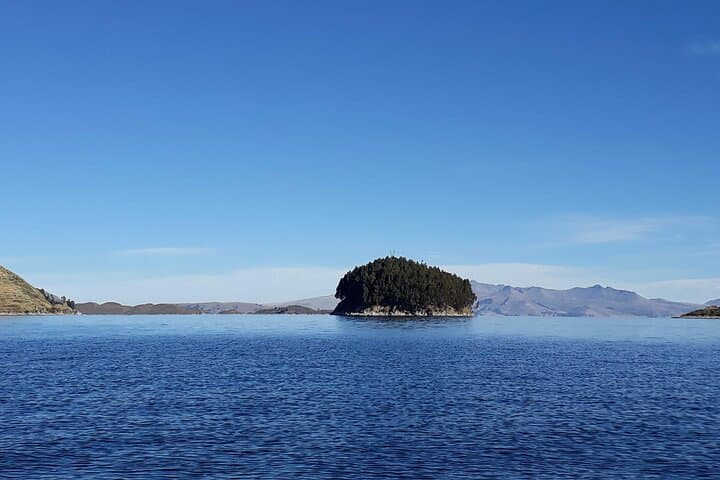
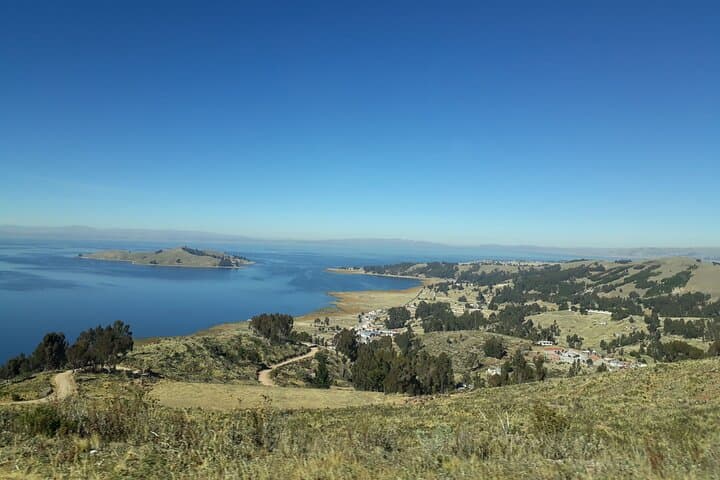
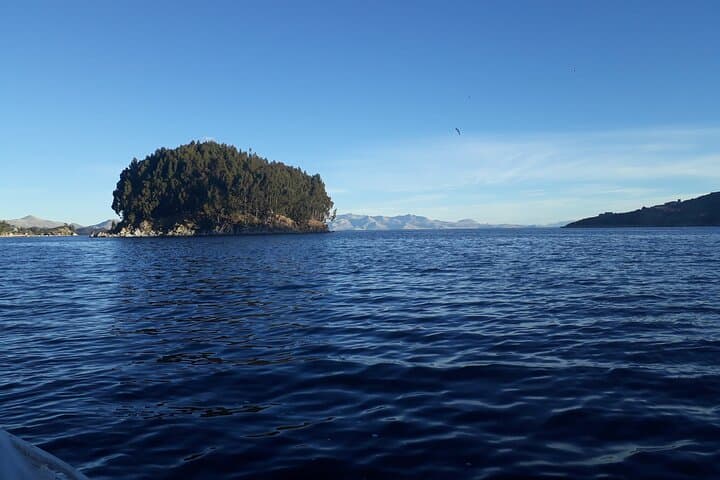
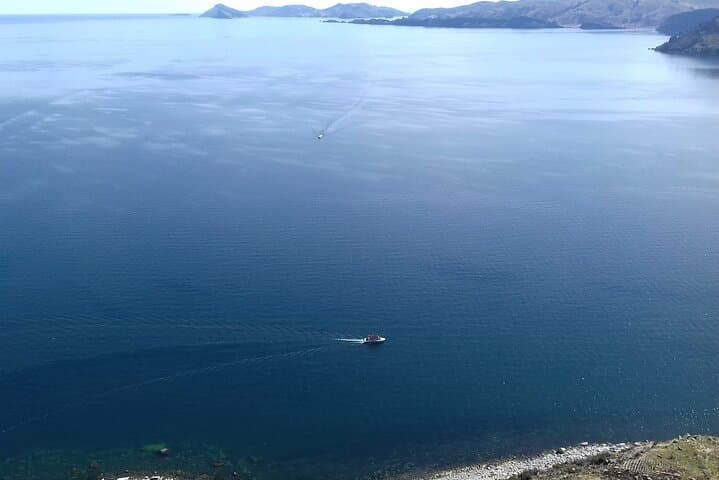
The boat slips away from Copacabana and the wind cuts across an inland sea so high the air feels thin and bright. At 3,856 meters, water and sky meet on a scale that changes how you breathe; the first day’s drive from La Paz eases you into that altitude with roadside puna grasslands and views that widen as the road drops toward the lake.
The boat slips away from Copacabana and the wind cuts across an inland sea so high the air feels thin and bright. At 3,856 meters, water and sky meet on a scale that changes how you breathe; the first day’s drive from La Paz eases you into that altitude with roadside puna grasslands and views that widen as the road drops toward the lake.
Lake Titicaca’s islands carry layers of human history — Aymara and Quechua communities predate the Inca, and local guides point out stone terraces and sun-facing shrines that map a long relationship with the water. Isla del Sol (Sun Island) is presented as the Inca origin site in oral tradition; on foot you follow Inca stone steps to the Fountain of Life in Yumani and pass the Pilko Kaina temple ruins and steep terraces that still use pre-Inca farming methods.
Geology here is high plateau: shallow, oxygen-poor air over an ancient lake basin framed by volcanic and sedimentary peaks. Culture moves deliberately — reed-boat workshops on Copacabana, basilica domes painted in cobalt tiles and the Dark Virgin of the Lake draw both faith and folklore.
Practicalities matter: the itinerary includes private transport, a one-night hotel stay, two lunches and dinners, and private boat transfers. Expect uneven stone steps, short hikes between ruins, and a few hours on open water with strong sun and cold evenings. Pack layered clothing, sun protection, and water; allow an extra day in La Paz to acclimatize if you can. With a private guide and entrance fees covered, the tour delivers focused cultural immersion without sacrificing practical comforts.