THE ADVENTURE COLLECTIVE® · Independent discovery and booking for outdoor travel

Visit the iconic Lagoa das Sete Cidades on a four-hour guided tour that blends easy viewpoints, pineapple-greenhouse history, and concise geology. Perfect for travelers who want dramatic crater views without strenuous hiking.
Visit the iconic Lagoa das Sete Cidades on a four-hour guided tour that blends easy viewpoints, pineapple-greenhouse history, and concise geology. Perfect for travelers who want dramatic crater views without strenuous hiking.
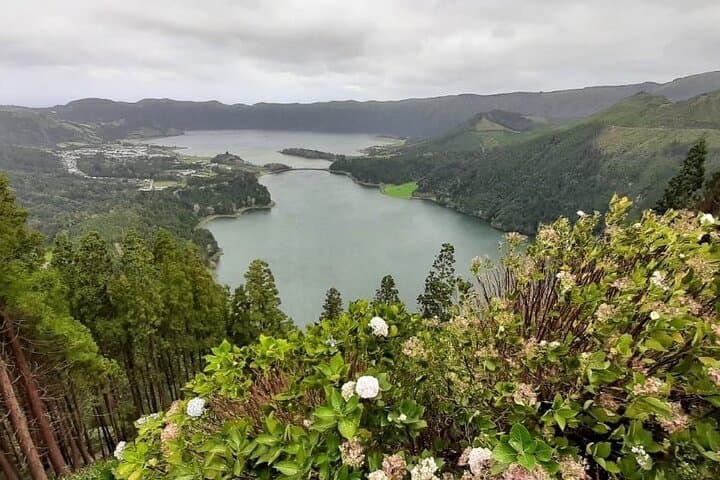
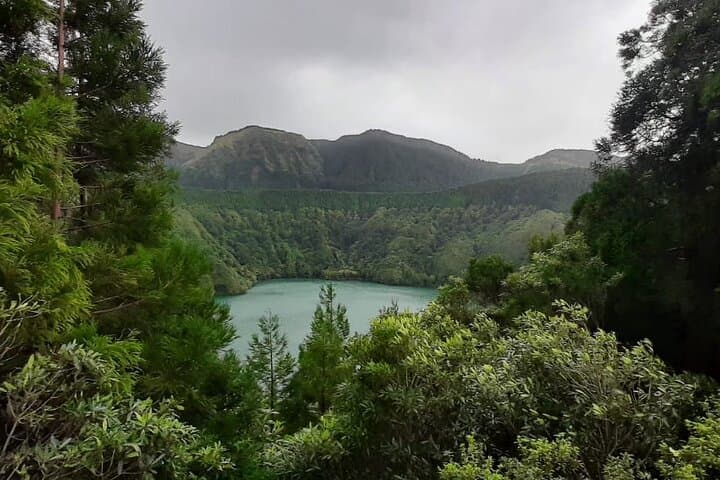
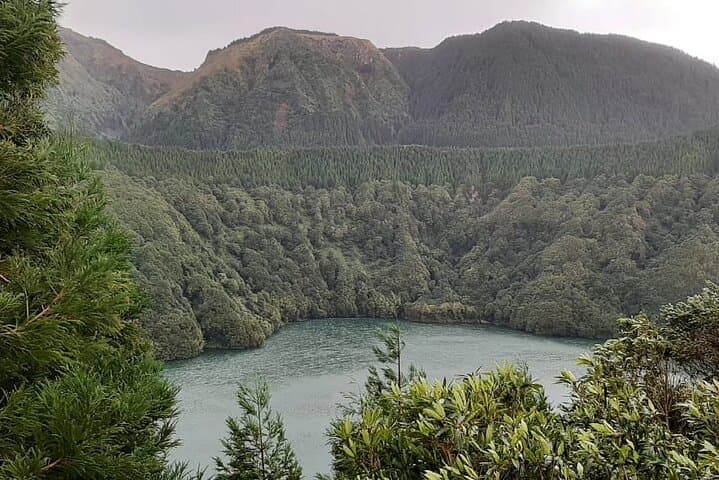
A low morning sun cuts across the caldera rim as the guide opens the door and the air-conditioned van hums to life. Below, two lakes — one dark, one green — lie like a pair of eyes set into volcanic rock; the road drops, the smell of damp earth and cryptomeria follows, and the first viewpoint arrives: a sweep of water and crater wall that insists you stop and look.
Verified experiences and guided adventures in the surrounding area.
Operated by Azores Magic Tours · Ponta Delgada, Azores
A low morning sun cuts across the caldera rim as the guide opens the door and the air-conditioned van hums to life. Below, two lakes — one dark, one green — lie like a pair of eyes set into volcanic rock; the road drops, the smell of damp earth and cryptomeria follows, and the first viewpoint arrives: a sweep of water and crater wall that insists you stop and look.
Sete Cidades is the island’s best-known volcanic caldera, formed by repeated eruptions and shaped over millennia into the hollow that holds its twin lagoons. Cultural threads run nearby: pineapple greenhouses introduced in the 19th century turned a botanical curiosity into an export, and a royal visit in 1901 helped make viewpoints like Vista do Rei part of the island’s postcard identity.
The guided four-hour visit combines short, easy stops at multiple miradouros (viewpoints), a look at traditional Ananás dos Açores greenhouses, and brief walks to lake edges and small chapels tucked in the crater. Terrain is paved or firm dirt; expect brief stair sections and short uphill approaches. Guides share geology—how tuff cones and phreatomagmatic activity shaped the massif—and point out native laurisilva fragments and cryptomeria stands.
Practical notes: layer for quick weather shifts, bring a waterproof jacket and sturdy shoes for uneven paths, and aim for morning light for photos and fewer crowds. Respect marked paths—the fragile vegetation and endemic birds depend on it—and leave time after the tour to explore Ponta Delgada’s harbor or the thermal pools at Ferraria if your schedule allows.
easy.
4 hours.
Suitable for most fitness levels; involves short, gentle walks and getting on/off a vehicle.
The guided visit runs about four hours and includes pickup and transport in an air-conditioned vehicle between viewpoints.
No — the tour involves short, easy walks from viewpoints and brief stair sections; the route is suitable for most travelers.
The itinerary includes guided visits such as the pineapple greenhouses and viewpoints; confirm specifics at booking for any paid admissions beyond that.
Yes, the tour notes stroller accessibility for infants and small children, though some viewpoints have steps or narrow paths.
Sete Cidades’ caldera and twin lagoons formed through volcanic activity; 19th-century pineapple cultivation became a notable local industry and cultural marker.
The Sete Cidades massif contains sensitive endemic habitats—stick to trails, avoid disturbing wildlife, and support local guides who promote low-impact visitation.
Azores Magic Tours operates guided outdoor trips and adventures with an emphasis on safety, stewardship, and memorable experiences.
A low morning sun cuts across the caldera rim as the guide opens the door and the air-conditioned van hums to life. Below, two lakes — one dark, one green — lie like a pair of eyes set into volcanic rock; the road drops, the smell of damp earth and cryptomeria follows, and the first viewpoint arrives: a sweep of water and crater wall that insists you stop and look.
A low morning sun cuts across the caldera rim as the guide opens the door and the air-conditioned van hums to life. Below, two lakes — one dark, one green — lie like a pair of eyes set into volcanic rock; the road drops, the smell of damp earth and cryptomeria follows, and the first viewpoint arrives: a sweep of water and crater wall that insists you stop and look.
Sete Cidades is the island’s best-known volcanic caldera, formed by repeated eruptions and shaped over millennia into the hollow that holds its twin lagoons. Cultural threads run nearby: pineapple greenhouses introduced in the 19th century turned a botanical curiosity into an export, and a royal visit in 1901 helped make viewpoints like Vista do Rei part of the island’s postcard identity.
The guided four-hour visit combines short, easy stops at multiple miradouros (viewpoints), a look at traditional Ananás dos Açores greenhouses, and brief walks to lake edges and small chapels tucked in the crater. Terrain is paved or firm dirt; expect brief stair sections and short uphill approaches. Guides share geology—how tuff cones and phreatomagmatic activity shaped the massif—and point out native laurisilva fragments and cryptomeria stands.
Practical notes: layer for quick weather shifts, bring a waterproof jacket and sturdy shoes for uneven paths, and aim for morning light for photos and fewer crowds. Respect marked paths—the fragile vegetation and endemic birds depend on it—and leave time after the tour to explore Ponta Delgada’s harbor or the thermal pools at Ferraria if your schedule allows.