THE ADVENTURE COLLECTIVE® · Independent discovery and booking for outdoor travel

A full-day journey across Patagonian steppe to an open field of 70-million-year-old petrified logs. Expect wide skies, stiff winds, and a demanding walk among exposed fossil trunks with interpretive stops en route.
A full-day journey across Patagonian steppe to an open field of 70-million-year-old petrified logs. Expect wide skies, stiff winds, and a demanding walk among exposed fossil trunks with interpretive stops en route.
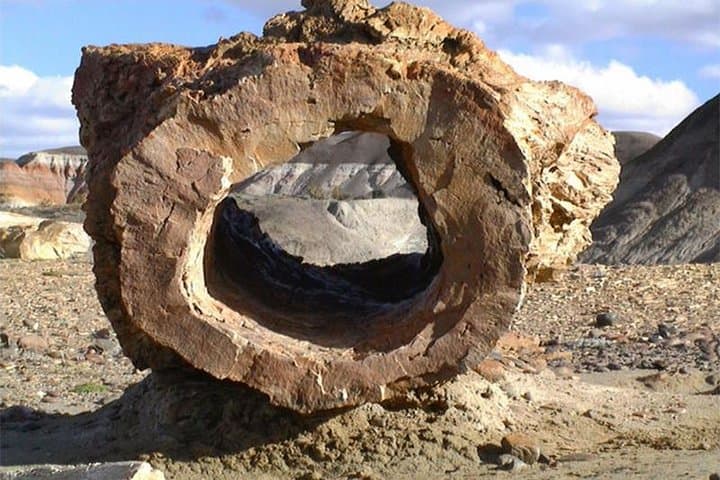
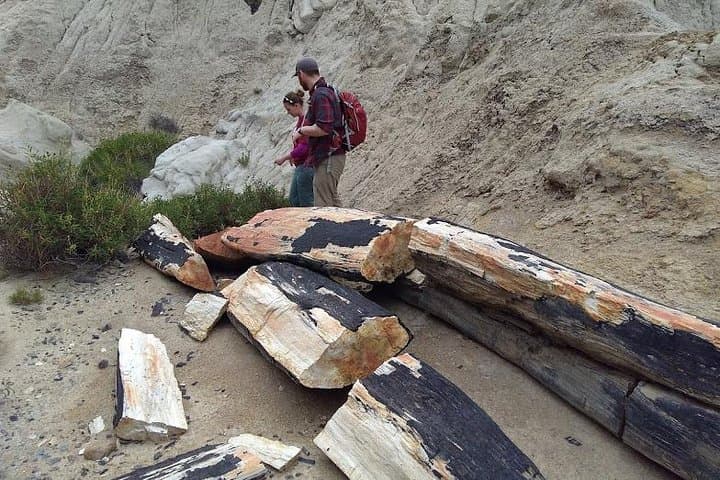
You step out of the van into wind-swept Patagonian steppe; the grass presses flat and the horizon is a low line of Andes. Scattered across the scrub are stony cylinders—petrified trunks laid like fallen columns across an ancient plain. The air here is sharp, the wind a constant companion that seems to test every boot and jacket.
Verified experiences and guided adventures in the surrounding area.
Operated by Argentina Travel Online · El Calafate, Santa Cruz
You step out of the van into wind-swept Patagonian steppe; the grass presses flat and the horizon is a low line of Andes. Scattered across the scrub are stony cylinders—petrified trunks laid like fallen columns across an ancient plain. The air here is sharp, the wind a constant companion that seems to test every boot and jacket.
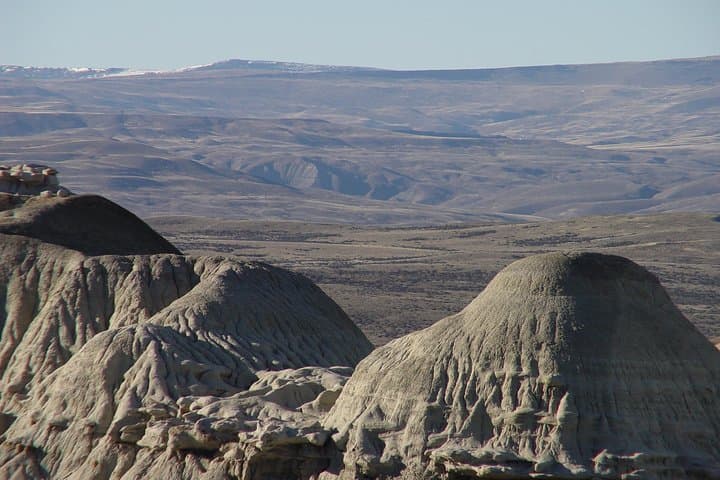
This site preserves wood turned to stone over roughly 70 million years, evidence of a time when southern Patagonia hosted dense forests and a warmer climate. Erosion has exposed enormous logs—some more than a meter in diameter—and occasional fossil fragments of Cretaceous-age fauna. Geologically, the field is an eroded plateau of volcanic ash and sediment that mineralized wood into the silicate forms you see today.
Local culture around El Calafate and El Chaltén is defined by ranching, guiding, and a respect for fossil-bearing sites; guides emphasize leaving specimens in place and interpreting the landscape in both natural-history and human terms.
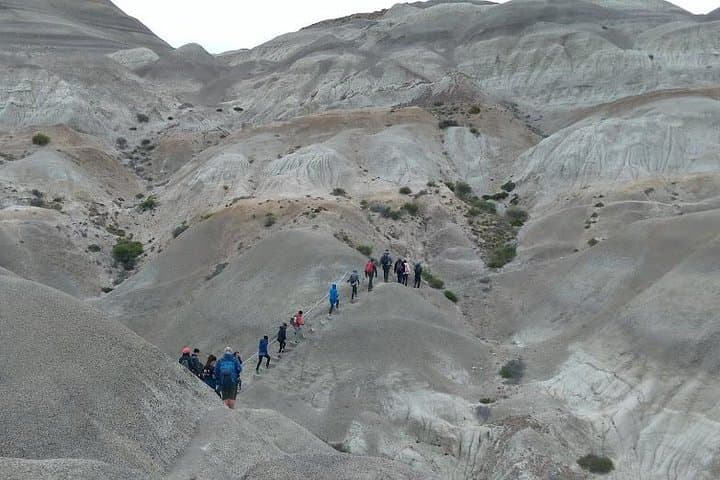
Practical guidance: expect a demanding, full-day walk across uneven, open terrain with limited shade. Wear high-traction boots and layered windproof clothing; bring at least 2–3 liters of water and a hearty lunch (a box lunch is typically provided). Timing matters—start early to avoid the strongest winds in the afternoon and to make the most of long daylight in summer. Photography is rewarding; low sun brings color and texture out of the stone. Respect fencing and any placards—these fossils are non-renewable, and guided visits minimize impact while maximizing access to the most interesting outcrops.
challenging.
9–17 hours.
Requires a high level of fitness; long periods of walking over uneven terrain and exposure to wind.
Most visits include round-trip transport from El Calafate; private drivers or guided shuttles follow Ruta 40 toward El Chaltén with a road turning to the site.
Not recommended for children under 6 and generally best for families with older kids used to long walks and variable terrain.
No—removing fossils is illegal and damages scientific context; follow guide instructions and do not take samples.
Expect strong winds, rapid temperature changes, and bright sun; dress in layers, bring wind protection and sunblock.
The site preserves Cretaceous-period fossil wood and occasional vertebrate remains, reflecting a much warmer, wetter prehistoric Patagonia.
The fossil beds are fragile—visitors should stay on routes, follow guide rules, and never remove or disturb specimens to protect scientific value.
Argentina Travel Online operates guided outdoor trips and adventures with an emphasis on safety, stewardship, and memorable experiences.
You step out of the van into wind-swept Patagonian steppe; the grass presses flat and the horizon is a low line of Andes. Scattered across the scrub are stony cylinders—petrified trunks laid like fallen columns across an ancient plain. The air here is sharp, the wind a constant companion that seems to test every boot and jacket.
You step out of the van into wind-swept Patagonian steppe; the grass presses flat and the horizon is a low line of Andes. Scattered across the scrub are stony cylinders—petrified trunks laid like fallen columns across an ancient plain. The air here is sharp, the wind a constant companion that seems to test every boot and jacket.
This site preserves wood turned to stone over roughly 70 million years, evidence of a time when southern Patagonia hosted dense forests and a warmer climate. Erosion has exposed enormous logs—some more than a meter in diameter—and occasional fossil fragments of Cretaceous-age fauna. Geologically, the field is an eroded plateau of volcanic ash and sediment that mineralized wood into the silicate forms you see today.
Local culture around El Calafate and El Chaltén is defined by ranching, guiding, and a respect for fossil-bearing sites; guides emphasize leaving specimens in place and interpreting the landscape in both natural-history and human terms.
Practical guidance: expect a demanding, full-day walk across uneven, open terrain with limited shade. Wear high-traction boots and layered windproof clothing; bring at least 2–3 liters of water and a hearty lunch (a box lunch is typically provided). Timing matters—start early to avoid the strongest winds in the afternoon and to make the most of long daylight in summer. Photography is rewarding; low sun brings color and texture out of the stone. Respect fencing and any placards—these fossils are non-renewable, and guided visits minimize impact while maximizing access to the most interesting outcrops.