THE ADVENTURE COLLECTIVE® · Independent discovery and booking for outdoor travel

Discover the impressive Skradinski buk waterfalls and serene wooden paths of Krka National Park in this accessible day trip from Split. Experience Dalmatia’s natural beauty, history, and refreshing river swims in picturesque Skradin.
Discover the impressive Skradinski buk waterfalls and serene wooden paths of Krka National Park in this accessible day trip from Split. Experience Dalmatia’s natural beauty, history, and refreshing river swims in picturesque Skradin.
A short drive from Split, Croatia’s Dalmatian coast gives way to a landscape where water commands attention—and Krka National Park delivers it in waves. The crisp air carries the sound of tumbling falls and rustling leaves as travelers step onto wooden pathways that wind along the Krka River, its waters daring visitors to linger longer. Here, you encounter Skradinski buk, the park's most impressive waterfall, stretching over 800 meters in length and cascading over multiple terraces with relentless energy.
Verified experiences and guided adventures in the surrounding area.
Operated by Flarent · Split, Split-Dalmatia
A short drive from Split, Croatia’s Dalmatian coast gives way to a landscape where water commands attention—and Krka National Park delivers it in waves. The crisp air carries the sound of tumbling falls and rustling leaves as travelers step onto wooden pathways that wind along the Krka River, its waters daring visitors to linger longer. Here, you encounter Skradinski buk, the park's most impressive waterfall, stretching over 800 meters in length and cascading over multiple terraces with relentless energy.
The park itself is a geological canvas, carved by the river’s persistent flow through layers of limestone and dolomite, creating natural pools and rushing rapids. This waterway has been a cradle of both life and legend. The area, inhabited since prehistoric times, saw Illyrian tribes and later Romans leaving traces around the riverbanks. Today, it’s a protected sanctuary where native flora, like Mediterranean pines and dense reeds, provide homes for species such as otters and kingfishers.
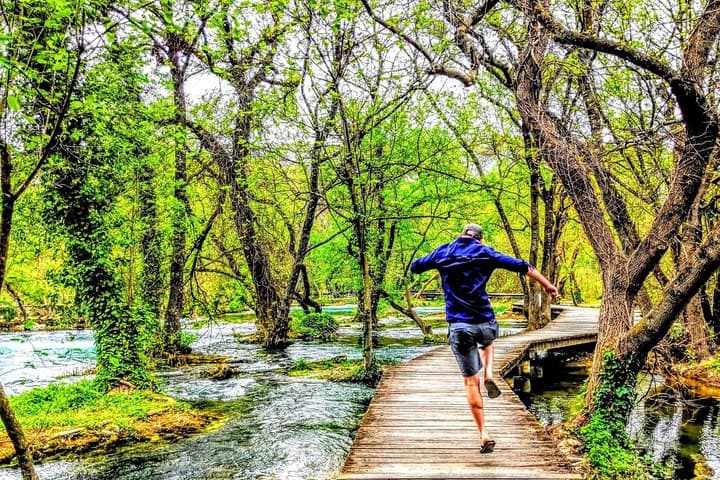
Visitors start their journey in Split, boarding an air-conditioned vehicle equipped with onboard Wi-Fi, setting the tone for a smooth 90-minute transit. Guides share stories of Dalmatia’s daring past, weaving history with natural beauty before arrival. Once inside the park, you leave vehicles behind for wooden footbridges and trails that traverse wetlands, forest patches, and crystal-clear pools. Cameras come alive here as sunlight filters through trees, shadows playing on water that ranges from blue sapphire to emerald green.
Swimming in the park’s core is restricted to keep the ecosystem intact, but a short bus ride leads to Skradin, a quaint town where the Krka River mingles with the Adriatic Sea. Its riverbank beach offers a refreshing swim to offset missed opportunities upstream, inviting travelers to relax among locals. The town's ancient streets and seafood taverns provide a fitting end to the day.
Plan for comfortable walking shoes and layered clothing to adapt to microclimates along the paths. Sunscreen, water, and a charged camera are essentials—this is a terrain rich with photo ops and changing elements. The five-hour itinerary balances active exploration with leisure, making it accessible for most fitness levels.
Krka National Park’s vivid contrasts—from towering waterfalls to peaceful river mouths—make it a dynamic encounter with nature’s force and calm. This day trip doubles as a lesson in regional heritage and conservation, where visitors leave more aware and appreciative of Dalmatia’s aquatic treasures.
easy.
4–5 hours.
Suitable for most fitness levels; expect moderate walking along flat to gently uneven trails
Swimming is prohibited within the park to protect its ecosystem but allowed at the beach area in Skradin on the river’s mouth.
It’s approximately a 90-minute drive by air-conditioned vehicle from Split city center.
Yes, this trip includes an English-speaking guide who shares history and natural highlights throughout the day.
Children under 7 enter the park free and can join; however, comfortable walking is required for the wooden pathways.
Primarily flat wooden pathways alongside the river, with occasional uneven spots through wetlands and forest edges.
Both transportation and parts of the park have wheelchair accessibility; however, some natural terrain may be challenging without assistance.
The Krka River area has seen continuous habitation since Illyrian to Roman times, lending rich cultural layers alongside its natural classification.
Strict swimming prohibitions inside the park help maintain water purity and protect native species, reflecting Croatia’s commitment to sustainable tourism.
Flarent operates guided outdoor trips and adventures with an emphasis on safety, stewardship, and memorable experiences.
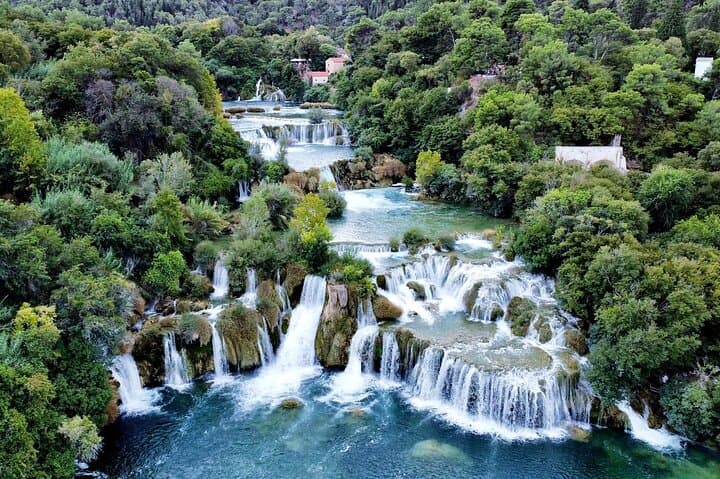
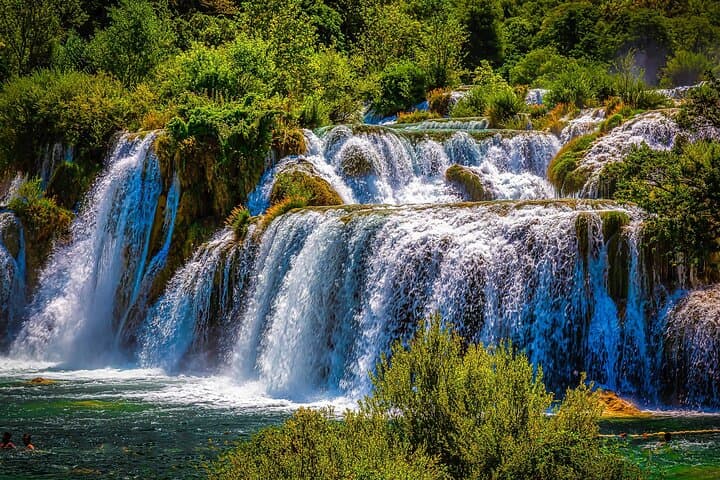
A short drive from Split, Croatia’s Dalmatian coast gives way to a landscape where water commands attention—and Krka National Park delivers it in waves. The crisp air carries the sound of tumbling falls and rustling leaves as travelers step onto wooden pathways that wind along the Krka River, its waters daring visitors to linger longer. Here, you encounter Skradinski buk, the park's most impressive waterfall, stretching over 800 meters in length and cascading over multiple terraces with relentless energy.
A short drive from Split, Croatia’s Dalmatian coast gives way to a landscape where water commands attention—and Krka National Park delivers it in waves. The crisp air carries the sound of tumbling falls and rustling leaves as travelers step onto wooden pathways that wind along the Krka River, its waters daring visitors to linger longer. Here, you encounter Skradinski buk, the park's most impressive waterfall, stretching over 800 meters in length and cascading over multiple terraces with relentless energy.
The park itself is a geological canvas, carved by the river’s persistent flow through layers of limestone and dolomite, creating natural pools and rushing rapids. This waterway has been a cradle of both life and legend. The area, inhabited since prehistoric times, saw Illyrian tribes and later Romans leaving traces around the riverbanks. Today, it’s a protected sanctuary where native flora, like Mediterranean pines and dense reeds, provide homes for species such as otters and kingfishers.
Visitors start their journey in Split, boarding an air-conditioned vehicle equipped with onboard Wi-Fi, setting the tone for a smooth 90-minute transit. Guides share stories of Dalmatia’s daring past, weaving history with natural beauty before arrival. Once inside the park, you leave vehicles behind for wooden footbridges and trails that traverse wetlands, forest patches, and crystal-clear pools. Cameras come alive here as sunlight filters through trees, shadows playing on water that ranges from blue sapphire to emerald green.
Swimming in the park’s core is restricted to keep the ecosystem intact, but a short bus ride leads to Skradin, a quaint town where the Krka River mingles with the Adriatic Sea. Its riverbank beach offers a refreshing swim to offset missed opportunities upstream, inviting travelers to relax among locals. The town's ancient streets and seafood taverns provide a fitting end to the day.
Plan for comfortable walking shoes and layered clothing to adapt to microclimates along the paths. Sunscreen, water, and a charged camera are essentials—this is a terrain rich with photo ops and changing elements. The five-hour itinerary balances active exploration with leisure, making it accessible for most fitness levels.
Krka National Park’s vivid contrasts—from towering waterfalls to peaceful river mouths—make it a dynamic encounter with nature’s force and calm. This day trip doubles as a lesson in regional heritage and conservation, where visitors leave more aware and appreciative of Dalmatia’s aquatic treasures.