THE ADVENTURE COLLECTIVE® · Independent discovery and booking for outdoor travel

Journey from Dubrovnik to Krka National Park, where seven waterfalls carve through Croatia’s karst landscape. Discover streaming travertine cascades, historic hydroelectric relics, and serene boat rides in an unforgettable day trip.
Journey from Dubrovnik to Krka National Park, where seven waterfalls carve through Croatia’s karst landscape. Discover streaming travertine cascades, historic hydroelectric relics, and serene boat rides in an unforgettable day trip.
At the break of dawn, the Adriatic breeze carries a fresh promise as you leave Dubrovnik’s ancient stone walls behind, heading inland toward one of Croatia’s most compelling natural spectacles: Krka National Park. Named after the river that commands its rugged landscape, Krka unfolds as a living canvas of karst formations, with seven remarkable waterfalls cascading over travertine terraces. The river dares you onward, its current shaping a dramatic scene where water and rock engage in a timeless dance over a 242-meter drop.
Verified experiences and guided adventures in the surrounding area.
Operated by Smiley Transfer Service · Krka National Park, Šibenik-Knin County
At the break of dawn, the Adriatic breeze carries a fresh promise as you leave Dubrovnik’s ancient stone walls behind, heading inland toward one of Croatia’s most compelling natural spectacles: Krka National Park. Named after the river that commands its rugged landscape, Krka unfolds as a living canvas of karst formations, with seven remarkable waterfalls cascading over travertine terraces. The river dares you onward, its current shaping a dramatic scene where water and rock engage in a timeless dance over a 242-meter drop.
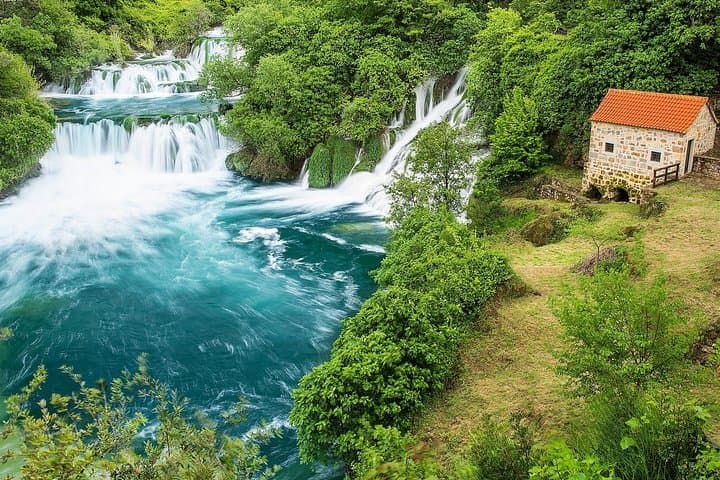
The centerpiece of the park, Skradinski Buk waterfall, stands as the longest tufa barrier in Europe, presenting a visual and auditory spectacle along a 1900-meter circular trail. This route winds through dense woods and alongside the shimmering river, leading visitors past restored historic watermills that whisper stories of a bygone era. The remnants of the 1895 Krka hydroelectric plant punctuate the trail — a reminder that this wilderness was among the first in Europe to light up a city.
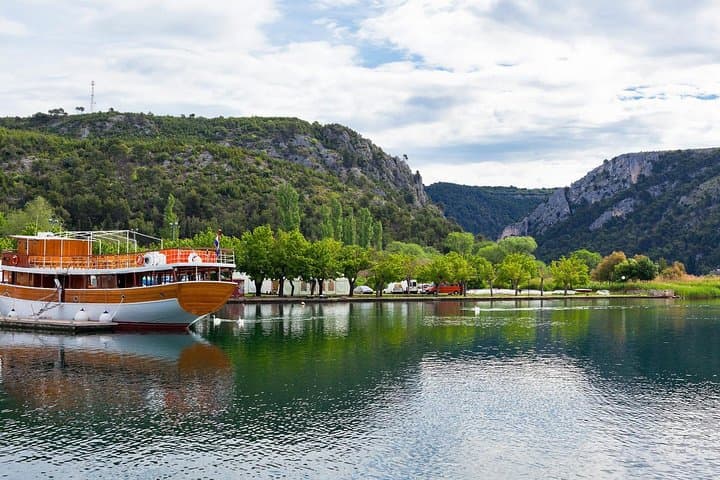
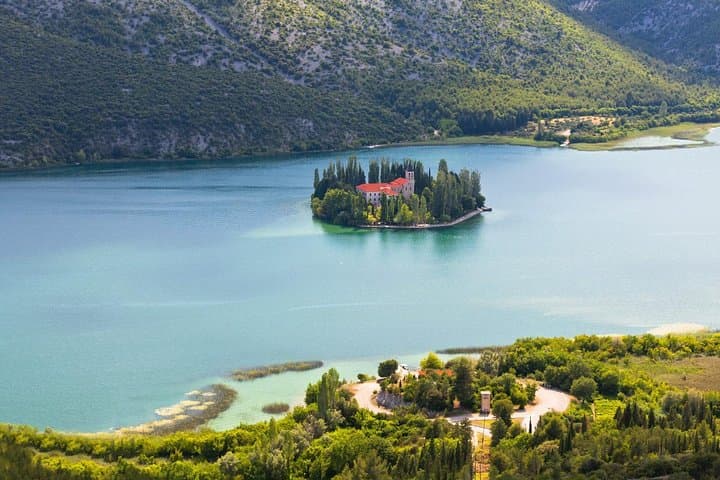
Boat excursions offer a different rhythm, where waves lap gently against the hull en route to Visovac Island, home to a centuries-old Franciscan monastery. Further along, the roaring Roski Slap waterfall punctuates the journey, its spray etching rainbows in the Croatian sky. For those drawn to the water’s edge, designated swimming areas invite a refreshing plunge, allowing you to feel the river’s pulse firsthand.
Krka National Park is more than a nature reserve — it’s a living archive of Croatian culture, history, and ecology. Its karst terrain, formed over millennia, nurtures diverse flora and fauna, while local conservation efforts strive to maintain this balance amid increasing visitor numbers.
Planning your day trip requires a flexible start from Dubrovnik, with private transport ushering you in comfort along the roughly 3-hour route. Expect six to seven hours exploring the park, with ample time for both hiking and boat tours. Sturdy, water-resistant footwear is recommended given the mixed terrain and proximity to water. Midday visits can be busy, so morning or late afternoon offer quieter trails and softer light for photography.
Stay hydrated and bring swimwear if you want to dive into the river’s cool embrace. Educational panels throughout the park enrich the experience, offering context without slowing your pace.
This trip bridges Croatia’s cultural heart on the coast with the wild pulse of its inland waterways. Whether you chase waterfalls, history, or a moment suspended between both, Krka promises an active, revealing day beyond Dubrovnik’s walls.
moderate.
6–7 hours.
Moderate fitness required to comfortably complete walking trails of about 2 km with some elevation changes and to spend time on boat rides.
Yes, swimming is allowed in designated areas near Skradinski Buk during the warmer months.
The educational circular trail around Skradinski Buk is approximately 1900 meters one way.
Boat trips to Visovac Island and Roski Slap are available as part of the visit but may require separate tickets.
Yes, the trails and facilities are family-friendly, but supervision is recommended near water.
Parts of the park are wheelchair accessible; however, some trails near waterfalls may be challenging.
Late spring to early autumn offers the best weather and access for swimming and boating.
The park contains the first Croatian hydroelectric plant from 1895, a pioneering development that powered nearby towns.
Krka National Park emphasizes sustainable tourism to protect karst ecosystems and maintain water quality for future generations.
Smiley Transfer Service operates guided outdoor trips and adventures with an emphasis on safety, stewardship, and memorable experiences.
At the break of dawn, the Adriatic breeze carries a fresh promise as you leave Dubrovnik’s ancient stone walls behind, heading inland toward one of Croatia’s most compelling natural spectacles: Krka National Park. Named after the river that commands its rugged landscape, Krka unfolds as a living canvas of karst formations, with seven remarkable waterfalls cascading over travertine terraces. The river dares you onward, its current shaping a dramatic scene where water and rock engage in a timeless dance over a 242-meter drop.
At the break of dawn, the Adriatic breeze carries a fresh promise as you leave Dubrovnik’s ancient stone walls behind, heading inland toward one of Croatia’s most compelling natural spectacles: Krka National Park. Named after the river that commands its rugged landscape, Krka unfolds as a living canvas of karst formations, with seven remarkable waterfalls cascading over travertine terraces. The river dares you onward, its current shaping a dramatic scene where water and rock engage in a timeless dance over a 242-meter drop.
The centerpiece of the park, Skradinski Buk waterfall, stands as the longest tufa barrier in Europe, presenting a visual and auditory spectacle along a 1900-meter circular trail. This route winds through dense woods and alongside the shimmering river, leading visitors past restored historic watermills that whisper stories of a bygone era. The remnants of the 1895 Krka hydroelectric plant punctuate the trail — a reminder that this wilderness was among the first in Europe to light up a city.
Boat excursions offer a different rhythm, where waves lap gently against the hull en route to Visovac Island, home to a centuries-old Franciscan monastery. Further along, the roaring Roski Slap waterfall punctuates the journey, its spray etching rainbows in the Croatian sky. For those drawn to the water’s edge, designated swimming areas invite a refreshing plunge, allowing you to feel the river’s pulse firsthand.
Krka National Park is more than a nature reserve — it’s a living archive of Croatian culture, history, and ecology. Its karst terrain, formed over millennia, nurtures diverse flora and fauna, while local conservation efforts strive to maintain this balance amid increasing visitor numbers.
Planning your day trip requires a flexible start from Dubrovnik, with private transport ushering you in comfort along the roughly 3-hour route. Expect six to seven hours exploring the park, with ample time for both hiking and boat tours. Sturdy, water-resistant footwear is recommended given the mixed terrain and proximity to water. Midday visits can be busy, so morning or late afternoon offer quieter trails and softer light for photography.
Stay hydrated and bring swimwear if you want to dive into the river’s cool embrace. Educational panels throughout the park enrich the experience, offering context without slowing your pace.
This trip bridges Croatia’s cultural heart on the coast with the wild pulse of its inland waterways. Whether you chase waterfalls, history, or a moment suspended between both, Krka promises an active, revealing day beyond Dubrovnik’s walls.