THE ADVENTURE COLLECTIVE® · Independent discovery and booking for outdoor travel

Discover the captivating beauty of Krka National Park on a full-day tour from Split or Trogir, featuring breathtaking waterfalls, a scenic river cruise, and authentic Croatian wine tasting in the historic town of Skradin.
Discover the captivating beauty of Krka National Park on a full-day tour from Split or Trogir, featuring breathtaking waterfalls, a scenic river cruise, and authentic Croatian wine tasting in the historic town of Skradin.
The morning light slips over the Adriatic coast as your journey begins from either Split or Trogir, the Dalmatian gateway cities where history and sea air fuse. The road to Krka National Park drives a boundary between sea and land, where ancient olive groves and limestone cliffs tell tales stretching back 3,000 years. As the bus hums past small villages, the narrative shifts to the power of water—the unseen force shaping this Croatian landscape.
Verified experiences and guided adventures in the surrounding area.
Operated by Tours in Croatia · Split, Split-Dalmatia
The morning light slips over the Adriatic coast as your journey begins from either Split or Trogir, the Dalmatian gateway cities where history and sea air fuse. The road to Krka National Park drives a boundary between sea and land, where ancient olive groves and limestone cliffs tell tales stretching back 3,000 years. As the bus hums past small villages, the narrative shifts to the power of water—the unseen force shaping this Croatian landscape.
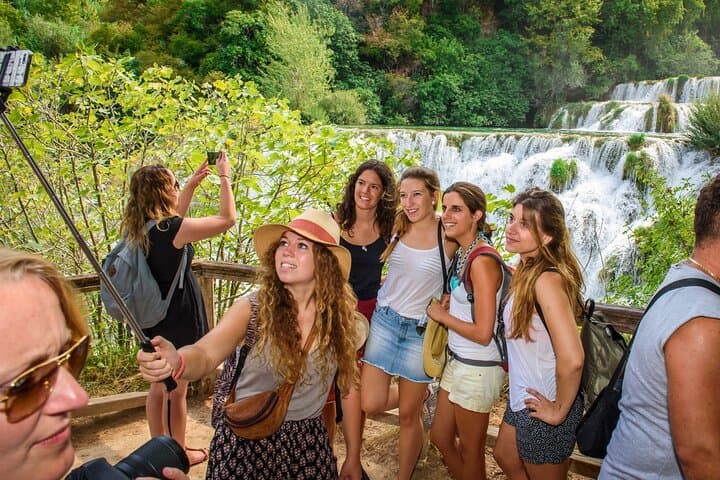
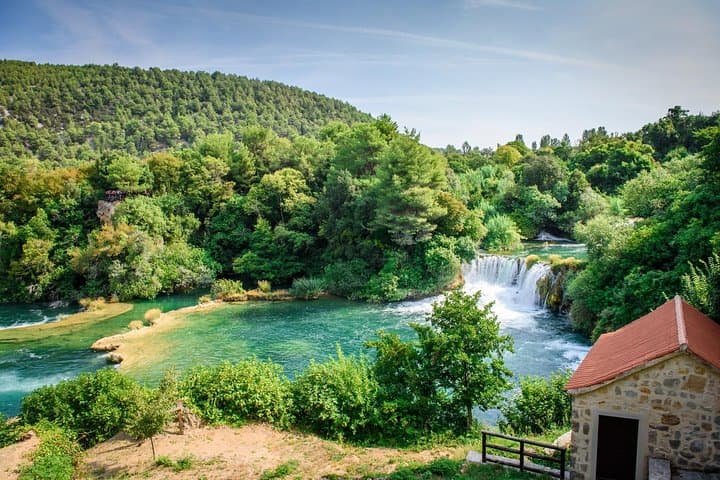
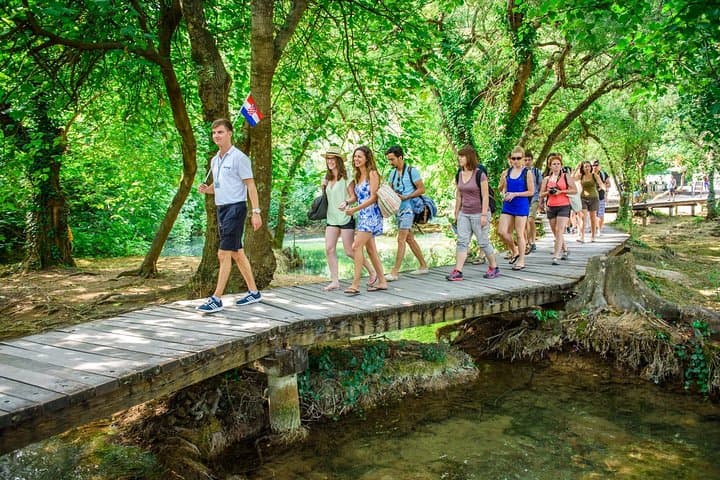
At Krka, the park’s signature falls, Skradinski buk, dares visitors to linger. This cascading series of travertine pools spills over layers of limestone, its waters shimmering with emerald and turquoise hues. A walking path threads through forested zones and wooden bridges, each step revealing flora thriving in the river’s embrace: willows brushing the water’s edge, and reeds swaying as if in whispered conversation with the currents. The roar of water feels alive, pushing forward with intent as dragonflies dart shimmering arcs overhead.
Beyond Skradinski buk, the tour ventures to Roski slap, a quieter cascade where moss and fallen timber offer a more secluded encounter with the park’s delicate ecosystem. Here, the river’s pulse softens, inviting reflection amid groves where native fauna like otters and herons keep discreet watch. The surrounding limestone terrain, carved over millennia, is a geological record of the Adriatic’s restless tides and climate shifts.
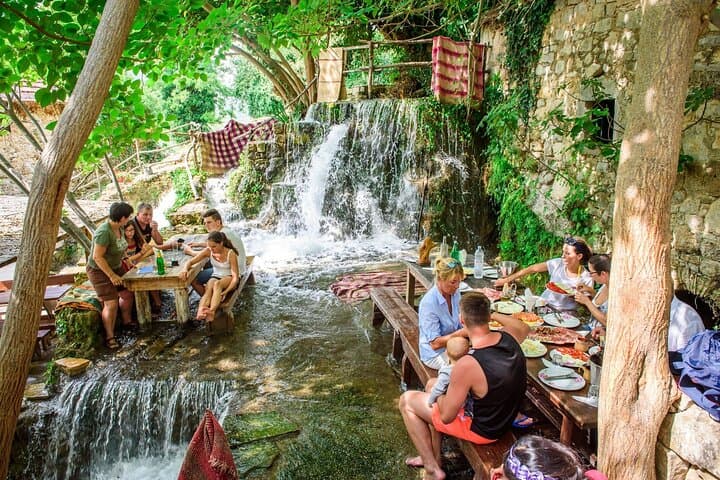
Integral to this experience is the stop in Skradin, a small ancient town resting on Krka’s banks. The town’s konobas—traditional Croatian taverns—invite guests to taste wines matured in local caves, where the mineral-rich soils impart distinct character to each sip. This pause adds cultural depth, a pairing of flavors with landscape, echoing centuries where land and river nurtured both survival and celebration.
From a practical perspective, the tour spans roughly nine hours, including moderate walking over mostly flat, well-maintained trails and wooden footbridges. Swimming is permitted in designated areas, so bring a swimsuit, towel, and sunscreen. Comfortable walking shoes or sandals with good traction are advised, along with a change of clothes. The best months to visit are late spring through early fall, when temperatures favor swimming and outdoor exploration.
Whether absorbed in the sound of cascading falls or savoring a glass of local wine, the Krka Waterfalls and wine tasting tour from Split or Trogir offers an immersive blend of natural spectacle and cultural delight. It’s an accessible adventure suited to most fitness levels and promises lasting memories of Croatia’s rich river landscapes and coastal heritage.
moderate.
8–9 hours.
Suitable for travelers with average fitness; expect several hours of walking on mainly flat terrain with some stairs and bridges
Yes, swimming is permitted in designated areas around Skradinski buk during warmer months, typically from late spring to early fall.
No, entrance fees to Krka National Park are not included. They must be paid separately at the park entrance, usually in cash.
The tour is moderate in difficulty with mostly flat walking paths, suitable for most ages and fitness levels, including families.
Yes, the tour departs from both Split and Trogir, with meeting points provided; be sure to inform the operator about your departure city.
Children are welcome but must be accompanied by an adult. The walking involved is moderate and suitable for older children.
Packing comfortable walking shoes, swimwear, sunscreen, sunglasses, a towel, and a change of clothes is recommended for this tour.
Krka National Park’s watermills and villages showcase how local communities harnessed the river’s power for centuries, blending natural and cultural histories.
The park emphasizes preserving its travertine formations and diverse ecosystems through regulated visitor access and ecological education initiatives.
Tours in Croatia operates guided outdoor trips and adventures with an emphasis on safety, stewardship, and memorable experiences.
The morning light slips over the Adriatic coast as your journey begins from either Split or Trogir, the Dalmatian gateway cities where history and sea air fuse. The road to Krka National Park drives a boundary between sea and land, where ancient olive groves and limestone cliffs tell tales stretching back 3,000 years. As the bus hums past small villages, the narrative shifts to the power of water—the unseen force shaping this Croatian landscape.
The morning light slips over the Adriatic coast as your journey begins from either Split or Trogir, the Dalmatian gateway cities where history and sea air fuse. The road to Krka National Park drives a boundary between sea and land, where ancient olive groves and limestone cliffs tell tales stretching back 3,000 years. As the bus hums past small villages, the narrative shifts to the power of water—the unseen force shaping this Croatian landscape.
At Krka, the park’s signature falls, Skradinski buk, dares visitors to linger. This cascading series of travertine pools spills over layers of limestone, its waters shimmering with emerald and turquoise hues. A walking path threads through forested zones and wooden bridges, each step revealing flora thriving in the river’s embrace: willows brushing the water’s edge, and reeds swaying as if in whispered conversation with the currents. The roar of water feels alive, pushing forward with intent as dragonflies dart shimmering arcs overhead.
Beyond Skradinski buk, the tour ventures to Roski slap, a quieter cascade where moss and fallen timber offer a more secluded encounter with the park’s delicate ecosystem. Here, the river’s pulse softens, inviting reflection amid groves where native fauna like otters and herons keep discreet watch. The surrounding limestone terrain, carved over millennia, is a geological record of the Adriatic’s restless tides and climate shifts.
Integral to this experience is the stop in Skradin, a small ancient town resting on Krka’s banks. The town’s konobas—traditional Croatian taverns—invite guests to taste wines matured in local caves, where the mineral-rich soils impart distinct character to each sip. This pause adds cultural depth, a pairing of flavors with landscape, echoing centuries where land and river nurtured both survival and celebration.
From a practical perspective, the tour spans roughly nine hours, including moderate walking over mostly flat, well-maintained trails and wooden footbridges. Swimming is permitted in designated areas, so bring a swimsuit, towel, and sunscreen. Comfortable walking shoes or sandals with good traction are advised, along with a change of clothes. The best months to visit are late spring through early fall, when temperatures favor swimming and outdoor exploration.
Whether absorbed in the sound of cascading falls or savoring a glass of local wine, the Krka Waterfalls and wine tasting tour from Split or Trogir offers an immersive blend of natural spectacle and cultural delight. It’s an accessible adventure suited to most fitness levels and promises lasting memories of Croatia’s rich river landscapes and coastal heritage.