THE ADVENTURE COLLECTIVE® · Independent discovery and booking for outdoor travel

Discover the stunning Krka National Park on a day trip from Split, featuring five hours to explore waterfalls, historical sites, and a scenic 30-minute river cruise to the charming town of Skradin.
Discover the stunning Krka National Park on a day trip from Split, featuring five hours to explore waterfalls, historical sites, and a scenic 30-minute river cruise to the charming town of Skradin.
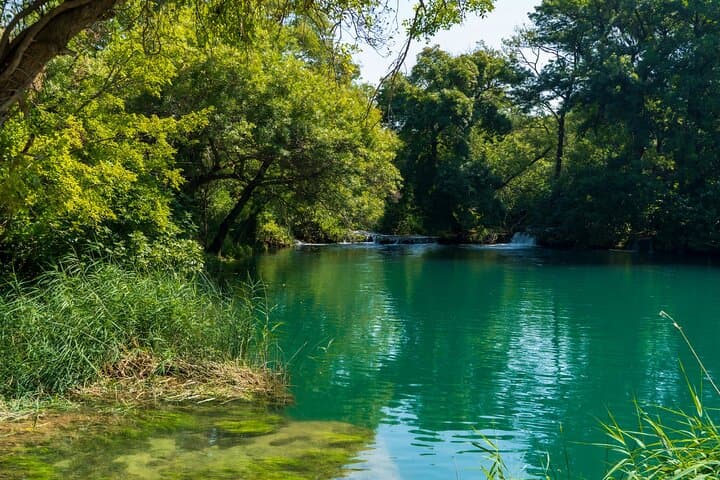
Just 75 minutes east of the bustling Adriatic city of Split, Krka National Park commands attention—not with the roar of crowds, but with the steady pulse of cascading water and untouched wilderness. Arriving in the park’s embrace, the air feels cooler, fresher, as the Krka River dares you closer with its whisper and splash. Over nearly five hours of free time, visitors can stroll through shaded pathways lined with mossy stones and dense forest, each bend offering glimpses of history and nature intertwined.
Verified experiences and guided adventures in the surrounding area.
Operated by Redono d.o.o. · Split, Dalmatia
Just 75 minutes east of the bustling Adriatic city of Split, Krka National Park commands attention—not with the roar of crowds, but with the steady pulse of cascading water and untouched wilderness. Arriving in the park’s embrace, the air feels cooler, fresher, as the Krka River dares you closer with its whisper and splash. Over nearly five hours of free time, visitors can stroll through shaded pathways lined with mossy stones and dense forest, each bend offering glimpses of history and nature intertwined.
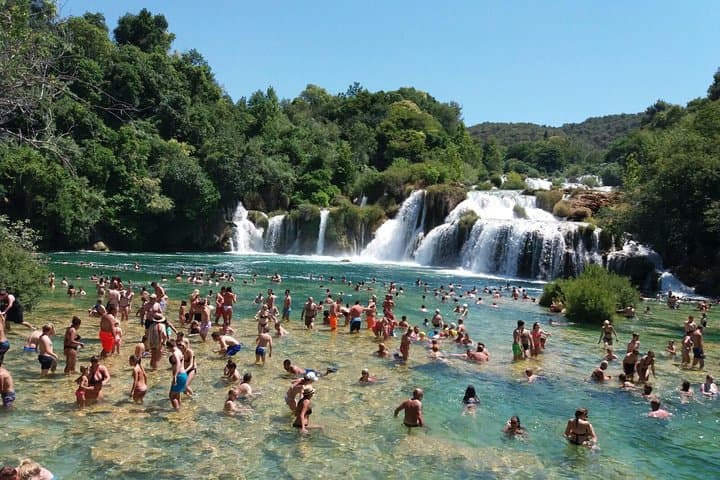
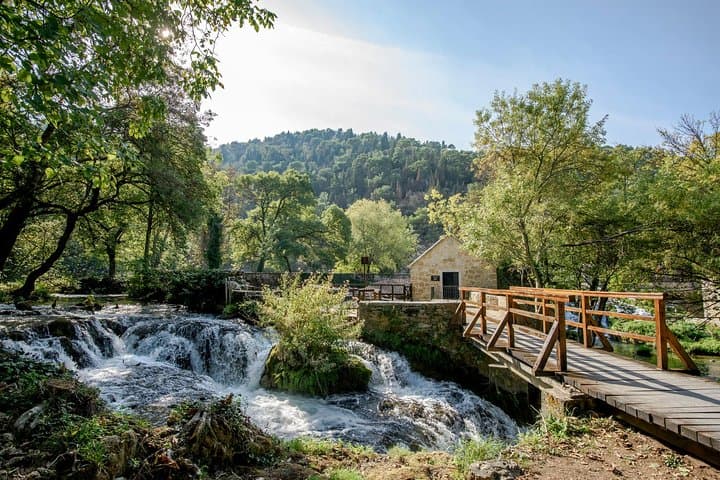
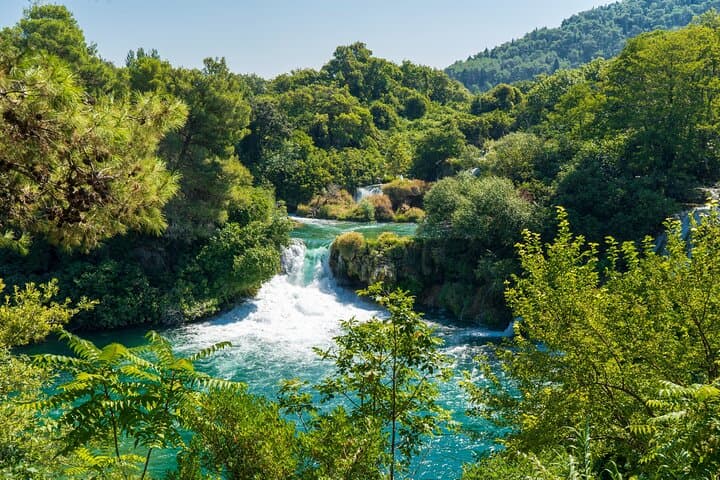
Krka’s landscape is shaped by limestone and dolomite, which the river has carved into a sequence of travertine waterfalls, including the park’s signature Skradinski Buk—an expansive, stepped cascade that stretches over 800 meters. Beyond the waterfalls, the park preserves a slice of Croatia’s past: visitors can explore the ethno village museum with its traditional stone houses and an old watermill still turning by the river’s push. Intriguingly, it also hosts the site of Europe’s first hydroelectric power station, a reminder of how this landscape powered early technological advances.
Following the land adventure, the river invites you aboard a 30-minute boat ride to Skradin, a charming small town perched where the river meets the sea. The boat gently rocks as it pushes forward, giving a different vantage on the park’s lush, green slopes and the ever-moving surface of Krka. In Skradin, visitors find a mix of medieval streets and a climb up the Turina fortress, where views stretch out over the network of waterways and olive groves.
Practical details ease the journey: daily departures at 8:15 a.m. from Split’s Diocletian’s Palace set the pace. The tour runs year-round, suitable for all fitness levels, with mostly flat terrain inside the park making exploration accessible. Swimming isn’t allowed within the park boundaries but the river’s inviting city beaches in Skradin offer a refreshing alternative after hours of walking and climbing.
With its blend of natural spectacle and cultural heritage, the Krka Waterfalls tour provides a measured but immersive experience. Pack comfortable shoes, a water bottle, and a camera to capture sudden light playing across the water. Whether it’s the echo of water over stone or the quiet charm of a centuries-old village, Krka rewards those who venture beyond Croatia’s coast for a day of discovery.
easy.
8–9 hours including transport and activities.
Suitable for all ages and fitness levels; minimal elevation change and well-maintained paths.
Swimming is prohibited within the park boundaries at the waterfalls but allowed at designated spots along the river in Skradin.
The meeting point is at the Golden Gate (north gate) of Diocletian's Palace in Split, easily reachable on foot or by local transport.
Yes, children are welcome but must be accompanied by an adult throughout the experience.
While some park paths are accessible to strollers, full wheelchair access is limited due to uneven terrain and wooden walkways.
The price covers round-trip air-conditioned bus transfers, a licensed English-speaking guide, entrance to Krka National Park, and the 30-minute river cruise.
Comfortable clothing suitable for hiking, layered for changing weather, plus swimwear if you plan to swim in Skradin.
Krka National Park hosts the site of Europe’s first hydroelectric power station, highlighting its blend of natural and technological history.
Park management carefully controls tourist access to protect fragile travertine formations and river ecosystems.
Redono d.o.o. operates guided outdoor trips and adventures with an emphasis on safety, stewardship, and memorable experiences.
Just 75 minutes east of the bustling Adriatic city of Split, Krka National Park commands attention—not with the roar of crowds, but with the steady pulse of cascading water and untouched wilderness. Arriving in the park’s embrace, the air feels cooler, fresher, as the Krka River dares you closer with its whisper and splash. Over nearly five hours of free time, visitors can stroll through shaded pathways lined with mossy stones and dense forest, each bend offering glimpses of history and nature intertwined.
Just 75 minutes east of the bustling Adriatic city of Split, Krka National Park commands attention—not with the roar of crowds, but with the steady pulse of cascading water and untouched wilderness. Arriving in the park’s embrace, the air feels cooler, fresher, as the Krka River dares you closer with its whisper and splash. Over nearly five hours of free time, visitors can stroll through shaded pathways lined with mossy stones and dense forest, each bend offering glimpses of history and nature intertwined.
Krka’s landscape is shaped by limestone and dolomite, which the river has carved into a sequence of travertine waterfalls, including the park’s signature Skradinski Buk—an expansive, stepped cascade that stretches over 800 meters. Beyond the waterfalls, the park preserves a slice of Croatia’s past: visitors can explore the ethno village museum with its traditional stone houses and an old watermill still turning by the river’s push. Intriguingly, it also hosts the site of Europe’s first hydroelectric power station, a reminder of how this landscape powered early technological advances.
Following the land adventure, the river invites you aboard a 30-minute boat ride to Skradin, a charming small town perched where the river meets the sea. The boat gently rocks as it pushes forward, giving a different vantage on the park’s lush, green slopes and the ever-moving surface of Krka. In Skradin, visitors find a mix of medieval streets and a climb up the Turina fortress, where views stretch out over the network of waterways and olive groves.
Practical details ease the journey: daily departures at 8:15 a.m. from Split’s Diocletian’s Palace set the pace. The tour runs year-round, suitable for all fitness levels, with mostly flat terrain inside the park making exploration accessible. Swimming isn’t allowed within the park boundaries but the river’s inviting city beaches in Skradin offer a refreshing alternative after hours of walking and climbing.
With its blend of natural spectacle and cultural heritage, the Krka Waterfalls tour provides a measured but immersive experience. Pack comfortable shoes, a water bottle, and a camera to capture sudden light playing across the water. Whether it’s the echo of water over stone or the quiet charm of a centuries-old village, Krka rewards those who venture beyond Croatia’s coast for a day of discovery.