THE ADVENTURE COLLECTIVE® · Independent discovery and booking for outdoor travel

Discover the captivating Krka Waterfalls on a half-day trip from Zadar. This excursion weaves together stunning cascades, rich history, and traditional Croatian culture for an accessible adventure near the Dalmatian coast.
Discover the captivating Krka Waterfalls on a half-day trip from Zadar. This excursion weaves together stunning cascades, rich history, and traditional Croatian culture for an accessible adventure near the Dalmatian coast.
A powerfully persistent river carves through the karst landscapes of central Dalmatia before spilling into a series of striking cascades known as the Krka Waterfalls. This half-day excursion from Zadar offers travelers a close encounter with one of Croatia’s most alluring natural attractions, combining verdant scenery, historical insight, and cultural touchstones within Krka National Park.
Verified experiences and guided adventures in the surrounding area.
Operated by Romeo&Juliet Excursions Zadar · Krka National Park, Zadar County
A powerfully persistent river carves through the karst landscapes of central Dalmatia before spilling into a series of striking cascades known as the Krka Waterfalls. This half-day excursion from Zadar offers travelers a close encounter with one of Croatia’s most alluring natural attractions, combining verdant scenery, historical insight, and cultural touchstones within Krka National Park.
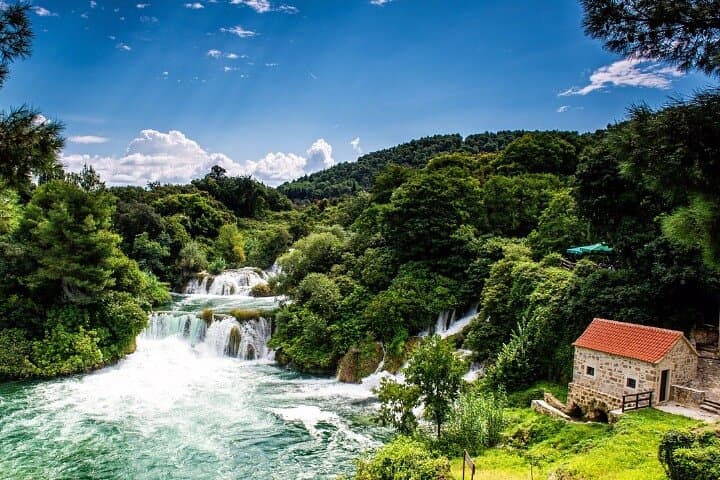
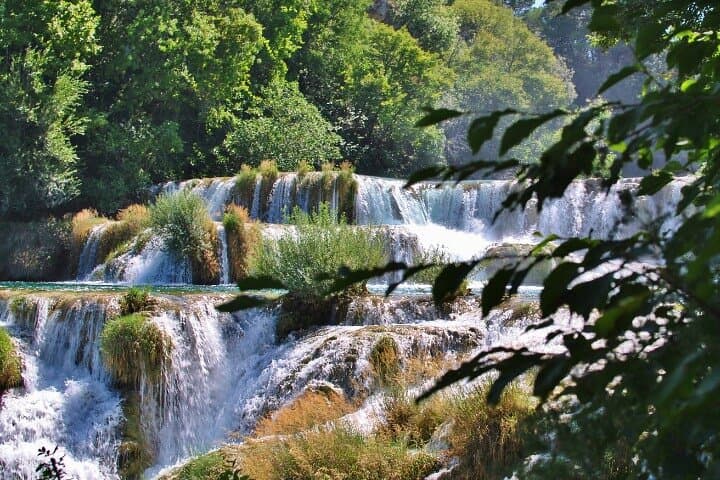
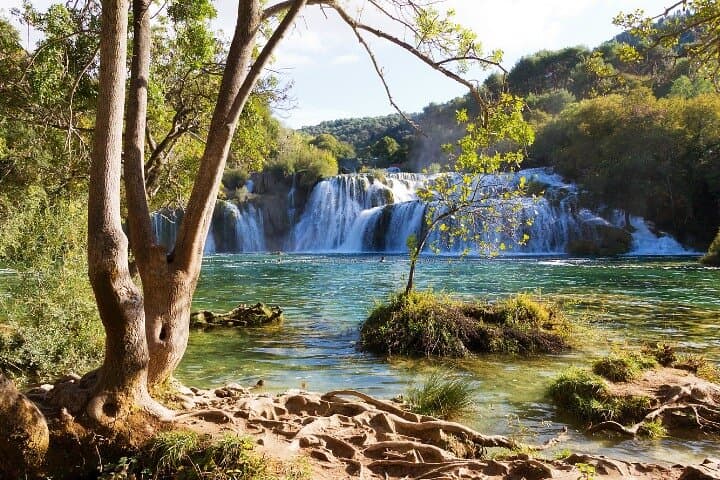
As you step into the park’s dappled woodlands, the river’s current seems to dare you to approach, pushing forward over tumbled boulders and moss-lined banks. The most famous of the waterfalls, Skradinski Buk, unfurls like a natural amphitheater — its terraces of limestone sculpted over millennia by the steady flow of water. The air hums with the sound of rushing water, and the dappled light filters through lush foliage, casting shifting shadows that animate the forest floor.
Beyond its natural marvels, Krka is steeped in history. The ethno-village within the park preserves traditional Croatian rural life, offering visitors a glimpse into age-old practices of weaving, pottery, and farming that shaped the region’s cultural identity. Nearby, the hydroelectric plant stands as a monument to early 20th-century engineering, illustrating Croatia’s pioneering role in harnessing renewable energy. Your private guide brings these elements to life, threading narratives of natural evolution with human ingenuity.
For planning, this excursion typically runs about 5 to 6 hours and includes comfortable transfers from Zadar in an air-conditioned vehicle. The terrain requires moderate walking—mostly on well-maintained paths with some uneven surfaces—making it accessible for most fitness levels. To prepare, wear sturdy footwear with good grip to navigate slippery rocks near cascades and bring water and sun protection, especially in summer’s Mediterranean heat.
Timing your visit early in the day avoids crowds and reveals wildlife in quieter moments. Look for kingfishers darting beside calmer river stretches and dragonflies shimmering near water pools. The ethno-village also rewards a slower pace, inviting reflection on the rhythms of life that once shaped this landscape.
This blend of immersive nature and cultural heritage creates a layered adventure well suited for travelers seeking more than just a photo-op. Krka’s waterfalls do more than dazzle — they connect the visitor to the living heartbeat of Dalmatian land and history, all within a practical half-day outing from the Dalmatian coast.
moderate.
5–6 hours.
Moderate fitness needed for walking uneven terrain and some stairs.
No, entrance fees to the park are not included in the excursion price and need to be purchased separately.
Yes, the excursion is suitable for all ages and offers a family-friendly experience.
A light lunch package is provided during the tour, but additional meals are at your discretion.
The excursion involves some walking on uneven surfaces and steps, which may be challenging for those with mobility issues.
Common sightings include kingfishers, dragonflies, and various fish species in the river pools.
Late spring through early autumn offers the best weather and full waterfall flow, though summer may be busy.
Krka National Park contains early 20th-century hydroelectric plants, some of the first in Europe, reflecting Croatia's role in renewable energy development.
The park actively manages visitor flow to protect its fragile karst ecosystems and promotes sustainable tourism to preserve water quality and native species.
Romeo&Juliet Excursions Zadar operates guided outdoor trips and adventures with an emphasis on safety, stewardship, and memorable experiences.
A powerfully persistent river carves through the karst landscapes of central Dalmatia before spilling into a series of striking cascades known as the Krka Waterfalls. This half-day excursion from Zadar offers travelers a close encounter with one of Croatia’s most alluring natural attractions, combining verdant scenery, historical insight, and cultural touchstones within Krka National Park.
A powerfully persistent river carves through the karst landscapes of central Dalmatia before spilling into a series of striking cascades known as the Krka Waterfalls. This half-day excursion from Zadar offers travelers a close encounter with one of Croatia’s most alluring natural attractions, combining verdant scenery, historical insight, and cultural touchstones within Krka National Park.
As you step into the park’s dappled woodlands, the river’s current seems to dare you to approach, pushing forward over tumbled boulders and moss-lined banks. The most famous of the waterfalls, Skradinski Buk, unfurls like a natural amphitheater — its terraces of limestone sculpted over millennia by the steady flow of water. The air hums with the sound of rushing water, and the dappled light filters through lush foliage, casting shifting shadows that animate the forest floor.
Beyond its natural marvels, Krka is steeped in history. The ethno-village within the park preserves traditional Croatian rural life, offering visitors a glimpse into age-old practices of weaving, pottery, and farming that shaped the region’s cultural identity. Nearby, the hydroelectric plant stands as a monument to early 20th-century engineering, illustrating Croatia’s pioneering role in harnessing renewable energy. Your private guide brings these elements to life, threading narratives of natural evolution with human ingenuity.
For planning, this excursion typically runs about 5 to 6 hours and includes comfortable transfers from Zadar in an air-conditioned vehicle. The terrain requires moderate walking—mostly on well-maintained paths with some uneven surfaces—making it accessible for most fitness levels. To prepare, wear sturdy footwear with good grip to navigate slippery rocks near cascades and bring water and sun protection, especially in summer’s Mediterranean heat.
Timing your visit early in the day avoids crowds and reveals wildlife in quieter moments. Look for kingfishers darting beside calmer river stretches and dragonflies shimmering near water pools. The ethno-village also rewards a slower pace, inviting reflection on the rhythms of life that once shaped this landscape.
This blend of immersive nature and cultural heritage creates a layered adventure well suited for travelers seeking more than just a photo-op. Krka’s waterfalls do more than dazzle — they connect the visitor to the living heartbeat of Dalmatian land and history, all within a practical half-day outing from the Dalmatian coast.