THE ADVENTURE COLLECTIVE® · Independent discovery and booking for outdoor travel

Discover the powerful beauty of Krka National Park’s waterfalls on a private day tour from Split or Trogir. Walk scenic wooden paths, swim beneath cascading falls, and explore historic Dalmatian towns on this seamless adventure.
Discover the powerful beauty of Krka National Park’s waterfalls on a private day tour from Split or Trogir. Walk scenic wooden paths, swim beneath cascading falls, and explore historic Dalmatian towns on this seamless adventure.
Morning light filters through the dense canopy as you step onto the wooden boardwalks winding alongside Croatia’s Krka River. The gentle roar of water draws you forward, where Skradinski buk—the largest waterfall in the park—spills over travertine terraces, daring you closer. This is Krka National Park: a landscape shaped by 72.5 kilometers of karst river, cascading through seven distinct waterfalls and carving a 242-meter altitude drop that commands attention.
Verified experiences and guided adventures in the surrounding area.
Operated by South Tours Croatia · Šibenik, Šibenik-Knin County
Morning light filters through the dense canopy as you step onto the wooden boardwalks winding alongside Croatia’s Krka River. The gentle roar of water draws you forward, where Skradinski buk—the largest waterfall in the park—spills over travertine terraces, daring you closer. This is Krka National Park: a landscape shaped by 72.5 kilometers of karst river, cascading through seven distinct waterfalls and carving a 242-meter altitude drop that commands attention.
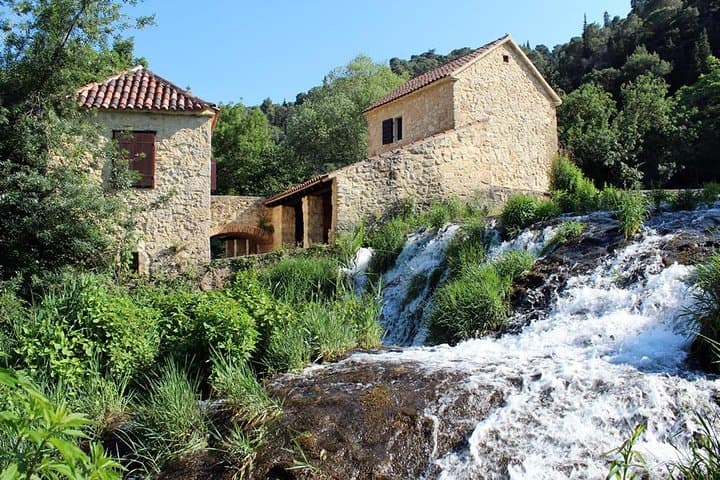
Located less than an hour from the bustling Dalmatian coast cities of Split and Trogir, Krka offers a refreshing contrast to urban life—its waters and forests alive with motion and history. Centuries-old water mills, still standing, whisper stories of traditional life as rare birds punctuate the air with their calls. Alongside nature’s grandeur, cultural heritage roots itself in nearby historic towns like Šibenik, where Renaissance architecture tells a tale of Croatia’s complex past, including the UNESCO-listed Cathedral of St. James.
This private day trip strings together the park’s highlights and local charm into an active yet accessible itinerary. You’ll spend roughly 3 to 6 hours exploring trails that trace the river’s edges and its playful cascades, offering ample time for swimming under smaller falls that beckon adventurous swimmers with cool, inviting pools. Sturdy, flat paths with wooden walkways keep footing stable, but expect to navigate occasional steps and uneven terrain.
Practical planning tips unlock the best experience: arrive with water-resistant footwear and a swimsuit, plus quick-dry clothing to transition from trail to water with ease. Hydration is key; bring a refillable bottle as fresh spring water from taps nourishes visitors at various points. Midday timing reveals the waterfalls’ full power framed in bright light, while morning or late afternoon allow for softer shadows and fewer crowds.
The tour includes hotel pickup and drop-off, with transport in a climate-controlled vehicle ensuring comfort for the drive between Split or Trogir and the park. Skipping long entrance lines preserves your time for exploring. While the Krka River’s currents push forward relentlessly, the day encourages measured steps—balancing awe of nature’s force with careful preparation.
Underrated highlights like the quaint villages of Primošten nearby offer a chance to extend the journey into local culture and cuisine before returning to city rhythms. As the sun fades, memories of waterfalls singing against cliff faces travel home with you—a reminder that even close to the Adriatic’s shores, wilderness writes its own story.
moderate.
5–8 hours.
Suitable for travelers with moderate fitness comfortable walking several kilometers with some elevation and swimming.
Yes, swimming is permitted in designated areas near smaller waterfalls like Roski slap, typically during the warmer months.
The circular trail around Skradinski buk is about 1.5 kilometers, mostly flat with wooden walkways.
There are a few cafes and picnic areas near the main waterfalls, but bringing snacks is recommended for longer visits.
Yes, families with children are welcome; however, close supervision near water and on uneven terrain is advised.
Late spring through early fall offers the warmest weather and best swimming conditions.
Absolutely, photography is encouraged. The park’s dynamic waterfalls and wildlife provide excellent opportunities.
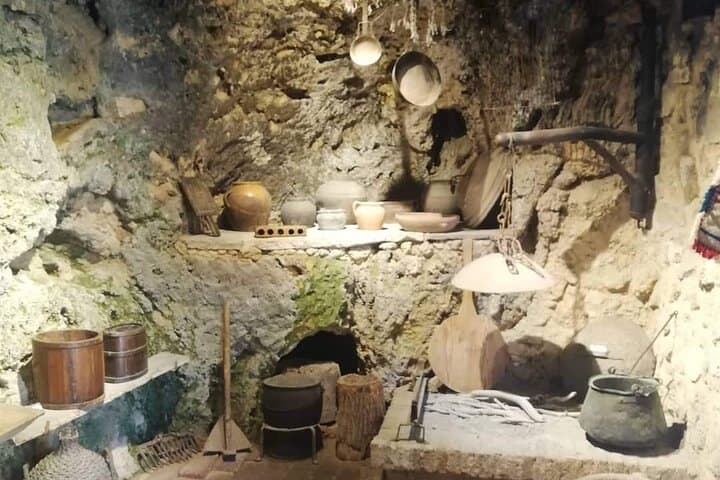
The Krka River has powered traditional mills and settlements for centuries, its cascades linked to local livelihood and culture.
Krka National Park carefully balances visitor access with habitat preservation, promoting sustainable tourism to protect its freshwater ecosystems.
South Tours Croatia operates guided outdoor trips and adventures with an emphasis on safety, stewardship, and memorable experiences.
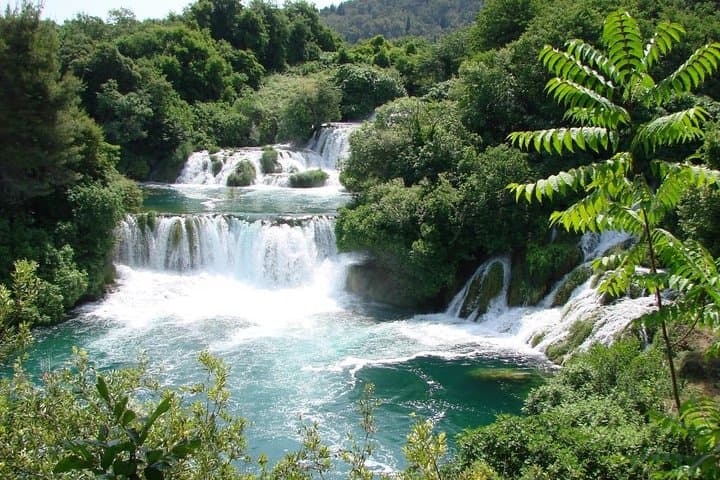
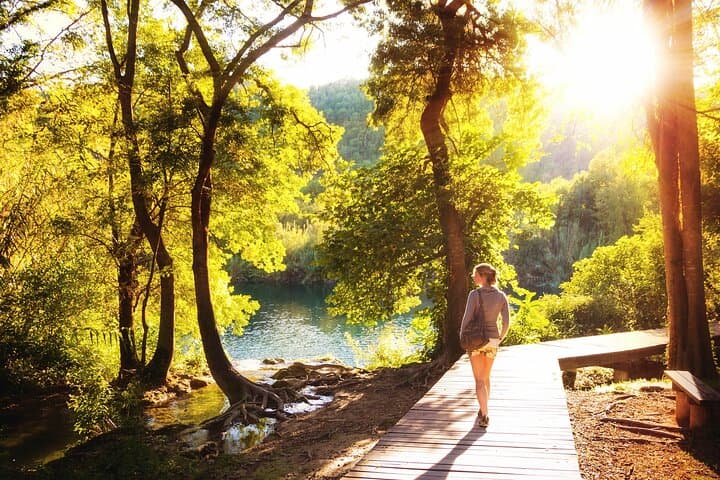
Morning light filters through the dense canopy as you step onto the wooden boardwalks winding alongside Croatia’s Krka River. The gentle roar of water draws you forward, where Skradinski buk—the largest waterfall in the park—spills over travertine terraces, daring you closer. This is Krka National Park: a landscape shaped by 72.5 kilometers of karst river, cascading through seven distinct waterfalls and carving a 242-meter altitude drop that commands attention.
Morning light filters through the dense canopy as you step onto the wooden boardwalks winding alongside Croatia’s Krka River. The gentle roar of water draws you forward, where Skradinski buk—the largest waterfall in the park—spills over travertine terraces, daring you closer. This is Krka National Park: a landscape shaped by 72.5 kilometers of karst river, cascading through seven distinct waterfalls and carving a 242-meter altitude drop that commands attention.
Located less than an hour from the bustling Dalmatian coast cities of Split and Trogir, Krka offers a refreshing contrast to urban life—its waters and forests alive with motion and history. Centuries-old water mills, still standing, whisper stories of traditional life as rare birds punctuate the air with their calls. Alongside nature’s grandeur, cultural heritage roots itself in nearby historic towns like Šibenik, where Renaissance architecture tells a tale of Croatia’s complex past, including the UNESCO-listed Cathedral of St. James.
This private day trip strings together the park’s highlights and local charm into an active yet accessible itinerary. You’ll spend roughly 3 to 6 hours exploring trails that trace the river’s edges and its playful cascades, offering ample time for swimming under smaller falls that beckon adventurous swimmers with cool, inviting pools. Sturdy, flat paths with wooden walkways keep footing stable, but expect to navigate occasional steps and uneven terrain.
Practical planning tips unlock the best experience: arrive with water-resistant footwear and a swimsuit, plus quick-dry clothing to transition from trail to water with ease. Hydration is key; bring a refillable bottle as fresh spring water from taps nourishes visitors at various points. Midday timing reveals the waterfalls’ full power framed in bright light, while morning or late afternoon allow for softer shadows and fewer crowds.
The tour includes hotel pickup and drop-off, with transport in a climate-controlled vehicle ensuring comfort for the drive between Split or Trogir and the park. Skipping long entrance lines preserves your time for exploring. While the Krka River’s currents push forward relentlessly, the day encourages measured steps—balancing awe of nature’s force with careful preparation.
Underrated highlights like the quaint villages of Primošten nearby offer a chance to extend the journey into local culture and cuisine before returning to city rhythms. As the sun fades, memories of waterfalls singing against cliff faces travel home with you—a reminder that even close to the Adriatic’s shores, wilderness writes its own story.