THE ADVENTURE COLLECTIVE® · Independent discovery and booking for outdoor travel

Escape the city for an immersive walk beneath Table Mountain at Kirstenbosch Botanical Garden. This practical guide covers what to expect, seasonal highlights, and how to plan a smooth visit.
Escape the city for an immersive walk beneath Table Mountain at Kirstenbosch Botanical Garden. This practical guide covers what to expect, seasonal highlights, and how to plan a smooth visit.
You step through an iron gate and the city’s hum drops away — Table Mountain rises like an old friend watching over the valley garden. Paths thread between fynbos ridges and cultivated beds; protea heads tilt as if sizing you up, and a breeze from the Atlantic moves through the trees with a soft, insistent shove.
Verified experiences and guided adventures in the surrounding area.
Operated by Travel Argentina · Cape Town, Western Cape
You step through an iron gate and the city’s hum drops away — Table Mountain rises like an old friend watching over the valley garden. Paths thread between fynbos ridges and cultivated beds; protea heads tilt as if sizing you up, and a breeze from the Atlantic moves through the trees with a soft, insistent shove.
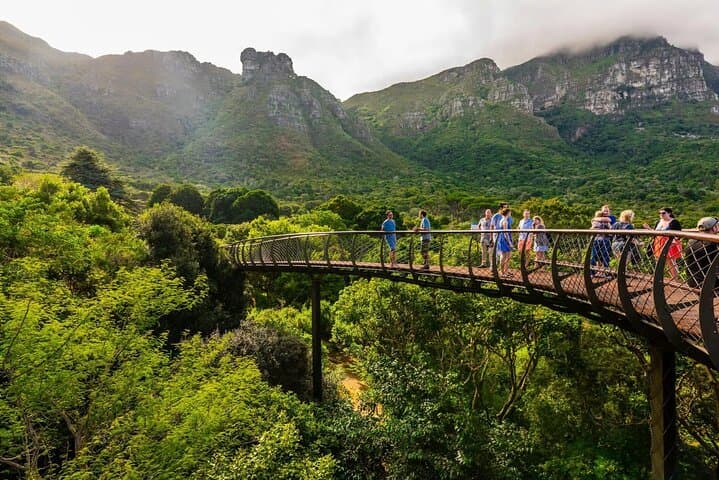
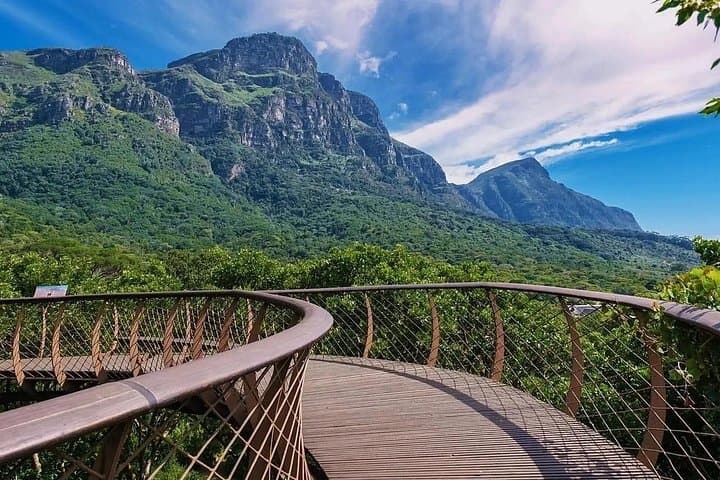
Kirstenbosch began in 1913 to protect South Africa’s unique Cape Floral Kingdom. Geologically, the gardens cling to the eastern slopes of Table Mountain, with granite and sandstone outcrops that shape microclimates and plant communities. Culturally, it’s a living classroom: indigenous plant collections, fragrance and medicinal sections, and a canopy walkway that gives a treetop view of the slope and city below.
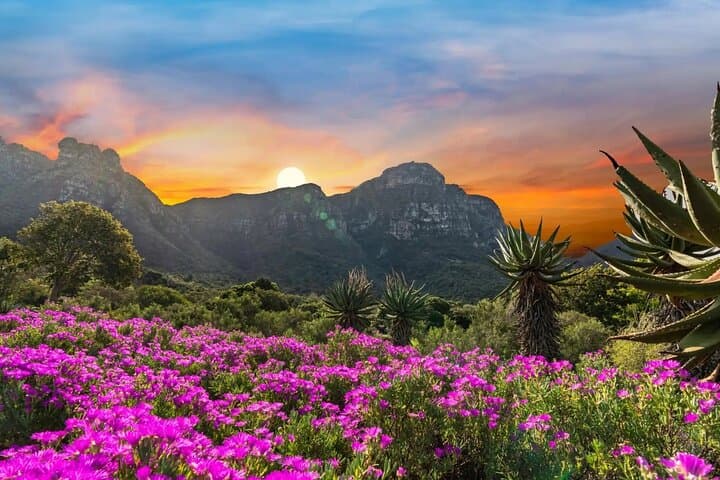
Expect varied terrain — wide, paved promenades for easy wandering and narrower mulched paths into fynbos beds — and interpretive labels that make the visit both scenic and instructive. The gardens are a focal point for conservation research and seasonal flower displays: spring and early summer bring peak bloom for many proteas and ericas.
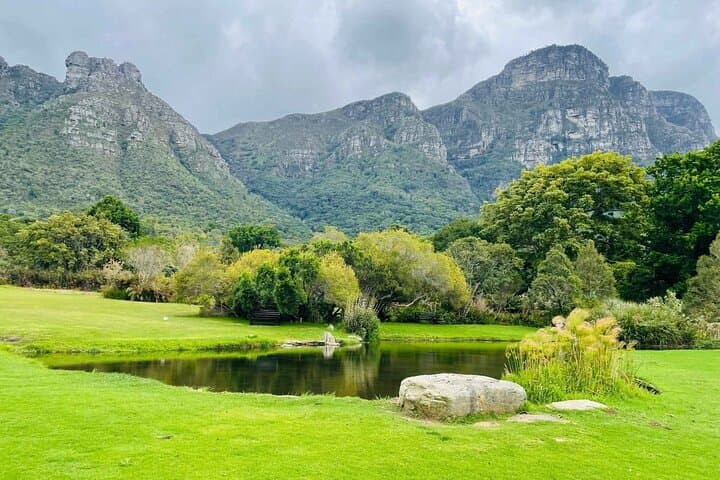
Practical guidance: aim for morning light to avoid crowds and afternoon heat; bring a refillable water bottle, sun protection, and durable shoes for short uneven stretches. There are cafés and picnic spots on-site, and public transport options nearby if you’re not driving. Tickets that skip the line save time during peak season. Whether you linger over botanical displays, follow a shaded riverine walk, or sit on a lawn with a view of Table Mountain, Kirstenbosch delivers a compact, accessible immersion in Cape flora with a clear conservation mission.
easy.
2–5 hours.
Suitable for most fitness levels; requires only short walks and standing during displays
Most visitors spend 2–3 hours exploring main lawns, indigenous beds, and the canopy walkway; half a day lets you linger and picnic.
Yes — there are cafés and a tea room within the gardens, plus areas suitable for packed picnics.
Many main paths and facilities are accessible, and the garden notes stroller access; some steeper, narrower trails are less suitable.
Advance tickets that skip the line are recommended during peak season and weekends to avoid queuing.
Founded in 1913 to conserve South Africa’s native flora, Kirstenbosch played a central role in protecting the Cape Floral Kingdom and promoting botanical research.
Kirstenbosch is active in native-plant conservation, propagation and invasive-species control, and supports research and education on fynbos ecosystems.
Travel Argentina operates guided outdoor trips and adventures with an emphasis on safety, stewardship, and memorable experiences.
You step through an iron gate and the city’s hum drops away — Table Mountain rises like an old friend watching over the valley garden. Paths thread between fynbos ridges and cultivated beds; protea heads tilt as if sizing you up, and a breeze from the Atlantic moves through the trees with a soft, insistent shove.
You step through an iron gate and the city’s hum drops away — Table Mountain rises like an old friend watching over the valley garden. Paths thread between fynbos ridges and cultivated beds; protea heads tilt as if sizing you up, and a breeze from the Atlantic moves through the trees with a soft, insistent shove.
Kirstenbosch began in 1913 to protect South Africa’s unique Cape Floral Kingdom. Geologically, the gardens cling to the eastern slopes of Table Mountain, with granite and sandstone outcrops that shape microclimates and plant communities. Culturally, it’s a living classroom: indigenous plant collections, fragrance and medicinal sections, and a canopy walkway that gives a treetop view of the slope and city below.
Expect varied terrain — wide, paved promenades for easy wandering and narrower mulched paths into fynbos beds — and interpretive labels that make the visit both scenic and instructive. The gardens are a focal point for conservation research and seasonal flower displays: spring and early summer bring peak bloom for many proteas and ericas.
Practical guidance: aim for morning light to avoid crowds and afternoon heat; bring a refillable water bottle, sun protection, and durable shoes for short uneven stretches. There are cafés and picnic spots on-site, and public transport options nearby if you’re not driving. Tickets that skip the line save time during peak season. Whether you linger over botanical displays, follow a shaded riverine walk, or sit on a lawn with a view of Table Mountain, Kirstenbosch delivers a compact, accessible immersion in Cape flora with a clear conservation mission.