THE ADVENTURE COLLECTIVE® · Independent discovery and booking for outdoor travel

Step into the volcanic heart of Hawaii with a guided hike across Kilauea Iki Crater’s hardened lava lake and explore a natural lava tube. This 4.5-mile trek offers unique geological insights and lush forest scenery in Volcanoes National Park.
Step into the volcanic heart of Hawaii with a guided hike across Kilauea Iki Crater’s hardened lava lake and explore a natural lava tube. This 4.5-mile trek offers unique geological insights and lush forest scenery in Volcanoes National Park.
At the edge of Hawaii’s Volcanoes National Park, the morning air hums softly with the echoes of fire and earth’s restless power. Standing at the Devastation Trailhead, hikers prepare to cross a 1959 lava lake frozen in time—the Kilauea Iki Crater. This 4.5-mile guided trek offers an intimate look at the raw elements that shaped this land: cooled, cracked lava beds that dare your every step and shadowed lava tubes whispering subterranean tales.
Verified experiences and guided adventures in the surrounding area.
Operated by Volcanoes Hiking Guides · Hilo, Hawaii
At the edge of Hawaii’s Volcanoes National Park, the morning air hums softly with the echoes of fire and earth’s restless power. Standing at the Devastation Trailhead, hikers prepare to cross a 1959 lava lake frozen in time—the Kilauea Iki Crater. This 4.5-mile guided trek offers an intimate look at the raw elements that shaped this land: cooled, cracked lava beds that dare your every step and shadowed lava tubes whispering subterranean tales.
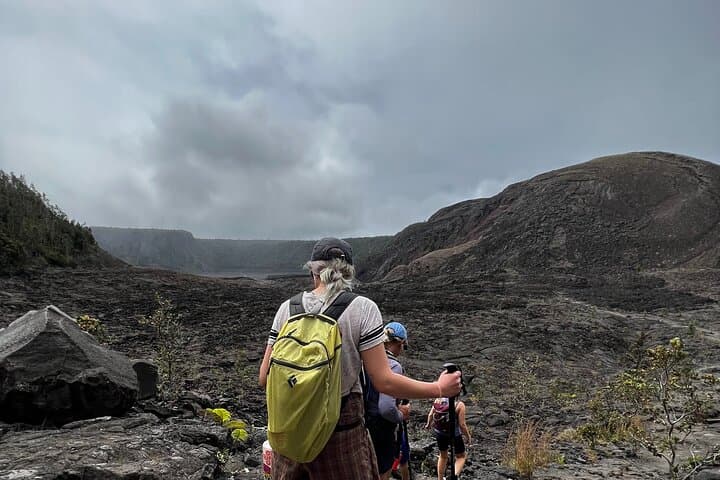
Kilauea Iki is not merely a travel destination but a geological chapter writ large by molten rock and ash. When the volcano erupted in ’59, it filled this crater with a seething lake of lava that hardened into a varied landscape — black, glassy, and rugged. Today’s hike traverses this hardened surface, moving from the crater rim through pockets of rain-soaked native forest, then descending into lush greenery that carpets the trail around the lava tube.
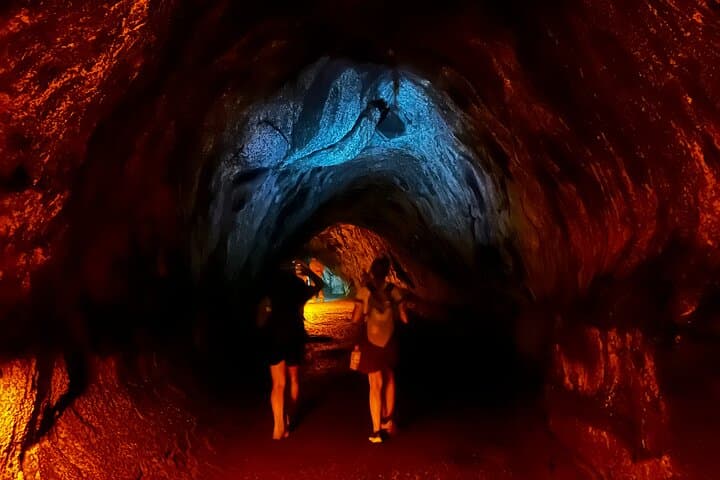
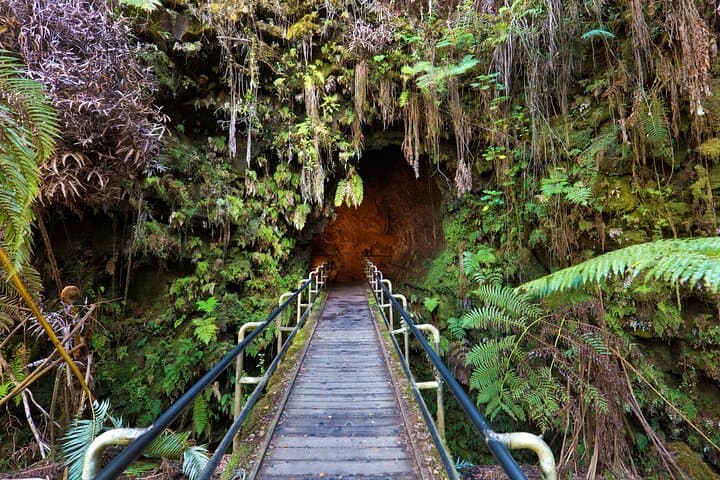
The Nahuku Lava Tube entwines nature’s artwork with raw volcanic history. Formed when flowing lava beneath the hardened surface drained away, it creates a tunnel with stark walls and eerie light filtering in, inviting reflection on the underground forces shaping the island.
Experienced guides escort groups of up to ten along the 7.2 kilometers of varied terrain. Their knowledge breathes life into distant eruptions, local ecology, and native Hawaiian culture tied to Pele, the goddess of volcanoes and fire. The hike usually lasts about 4.5 hours, demanding moderate fitness as you navigate uneven lava fields, gentle ascents of up to 300 feet, and forest trails that keep the pace dynamic.
Practical planning starts with the National Park Pass required for entry, sturdy hiking shoes for gripping fractured lava, and layers to match shifting temperatures that can swing from humid to cool under canopy shade. Hydration is critical; water sources aren’t available on trail, so carry at least two liters. Early morning starts help avoid midday heat and frequent afternoon rains.
Volcanoes National Park is more than a hike; it's a dialogue with Earth’s inner fire, framed by lush island wilderness. This journey scaffolds adventurous exploration with safety and insight, inviting travelers to witness the relentless creation and destruction that defines the Hawaiian Islands.
moderate.
4–5 hours.
Participants should have moderate fitness, capable of managing uneven terrain and elevation gains around 300 feet.
Children in good physical condition may participate, but the hike involves moderate elevation changes and uneven terrain, so parental discretion is advised.
Yes, a National Park Pass is required to enter Volcanoes National Park and access the trailhead.
Yes, guides provide detailed explanations of volcanic history, ecological features, and Hawaiian cultural significance throughout the hike.
Access to the lava tube is included in the guided tour only for safety and preservation reasons.
The hike is accessible year-round but mornings are preferable to avoid afternoon rain and heat.
Yes, access depends on current volcanic conditions and park alerts; always check Volcanoes National Park updates before booking.
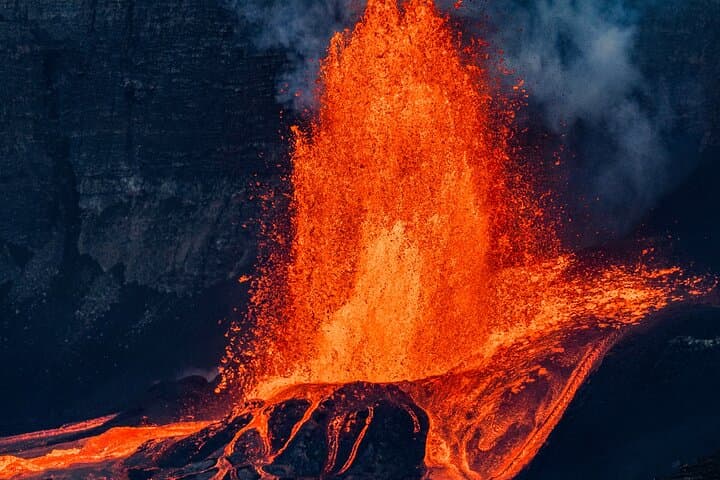
Kilauea Iki’s 1959 eruption was one of the most dramatic of the 20th century, covering the crater floor in molten lava and reshaping local ecosystems.
Volcanoes National Park maintains strict trail protections to preserve fragile lava formations and native habitats from erosion and foot traffic damage.
Volcanoes Hiking Guides operates guided outdoor trips and adventures with an emphasis on safety, stewardship, and memorable experiences.
At the edge of Hawaii’s Volcanoes National Park, the morning air hums softly with the echoes of fire and earth’s restless power. Standing at the Devastation Trailhead, hikers prepare to cross a 1959 lava lake frozen in time—the Kilauea Iki Crater. This 4.5-mile guided trek offers an intimate look at the raw elements that shaped this land: cooled, cracked lava beds that dare your every step and shadowed lava tubes whispering subterranean tales.
At the edge of Hawaii’s Volcanoes National Park, the morning air hums softly with the echoes of fire and earth’s restless power. Standing at the Devastation Trailhead, hikers prepare to cross a 1959 lava lake frozen in time—the Kilauea Iki Crater. This 4.5-mile guided trek offers an intimate look at the raw elements that shaped this land: cooled, cracked lava beds that dare your every step and shadowed lava tubes whispering subterranean tales.
Kilauea Iki is not merely a travel destination but a geological chapter writ large by molten rock and ash. When the volcano erupted in ’59, it filled this crater with a seething lake of lava that hardened into a varied landscape — black, glassy, and rugged. Today’s hike traverses this hardened surface, moving from the crater rim through pockets of rain-soaked native forest, then descending into lush greenery that carpets the trail around the lava tube.
The Nahuku Lava Tube entwines nature’s artwork with raw volcanic history. Formed when flowing lava beneath the hardened surface drained away, it creates a tunnel with stark walls and eerie light filtering in, inviting reflection on the underground forces shaping the island.
Experienced guides escort groups of up to ten along the 7.2 kilometers of varied terrain. Their knowledge breathes life into distant eruptions, local ecology, and native Hawaiian culture tied to Pele, the goddess of volcanoes and fire. The hike usually lasts about 4.5 hours, demanding moderate fitness as you navigate uneven lava fields, gentle ascents of up to 300 feet, and forest trails that keep the pace dynamic.
Practical planning starts with the National Park Pass required for entry, sturdy hiking shoes for gripping fractured lava, and layers to match shifting temperatures that can swing from humid to cool under canopy shade. Hydration is critical; water sources aren’t available on trail, so carry at least two liters. Early morning starts help avoid midday heat and frequent afternoon rains.
Volcanoes National Park is more than a hike; it's a dialogue with Earth’s inner fire, framed by lush island wilderness. This journey scaffolds adventurous exploration with safety and insight, inviting travelers to witness the relentless creation and destruction that defines the Hawaiian Islands.