THE ADVENTURE COLLECTIVE® · Independent discovery and booking for outdoor travel

Drive a private route through seven fortified ruins that trace Khorezm's long history, from Kushan citadels to medieval strongholds. This full-day trip pairs short walks with lakeside bites and close encounters with Karakalpak culture.
Drive a private route through seven fortified ruins that trace Khorezm's long history, from Kushan citadels to medieval strongholds. This full-day trip pairs short walks with lakeside bites and close encounters with Karakalpak culture.
A gravel road unfurls through low, sunbaked plains as your private sedan eases away from the mud-brick lanes of Khiva. Wind carries the dry voice of the desert and, ahead, hulking silhouettes of earthen walls puncture the horizon — the seven fortresses of Khorezm rise like chapters in a living chronicle.
Verified experiences and guided adventures in the surrounding area.
Operated by Oxus Travel · Khiva, Xorazm Region
A gravel road unfurls through low, sunbaked plains as your private sedan eases away from the mud-brick lanes of Khiva. Wind carries the dry voice of the desert and, ahead, hulking silhouettes of earthen walls puncture the horizon — the seven fortresses of Khorezm rise like chapters in a living chronicle.
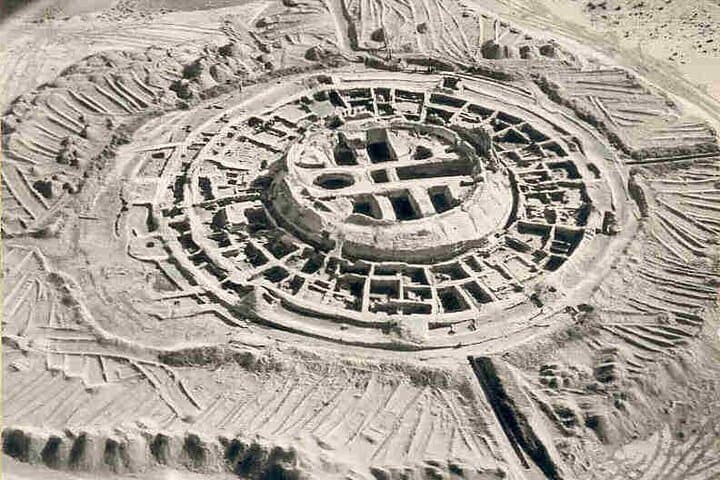
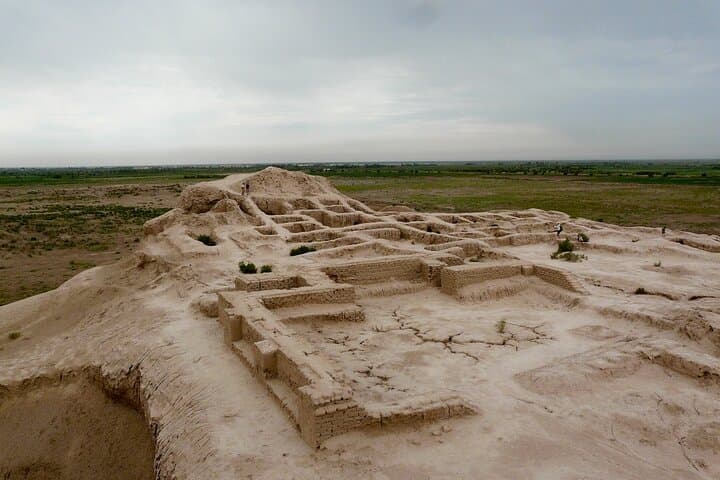
These ruined citadels record centuries: Toprak Kala's Kushan-era administrative halls, Janbas Kala's towering straight walls and inclined loopholes, and the medieval scars at Guldursun Kala tied to the Mongol assault of 1220. Ayaz Kala's triple forts sit above a shallow lake, where Akchakul still offers local fish and the occasional yurt camp. Geologically, the area is a flat alluvial plain shaped by historic shifts of the Amu Darya; changes in the river helped form Akchakul and concentrated salt flats that now outline the ruins.
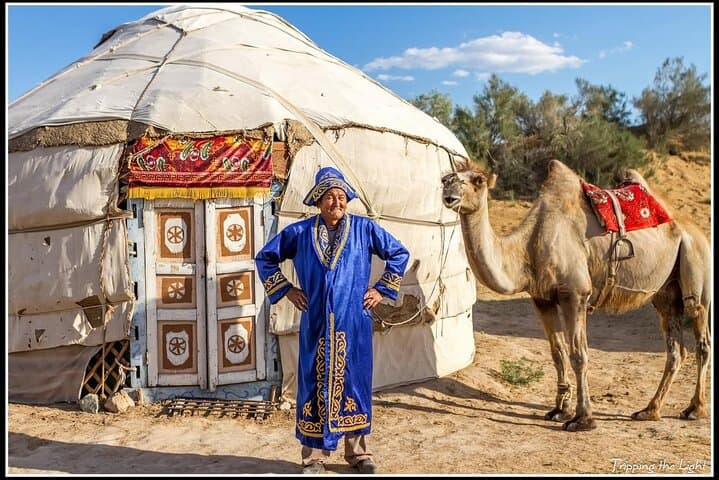
Culture here is tactile — Karakalpak traditions persist in small settlements and simple lakeside restaurants; expect conversations translated through gestures and shared plates of grilled local fish. Archaeological fragments—pottery, coins, mud-brick masonry—explain how regional power and trade once threaded through these defenses.
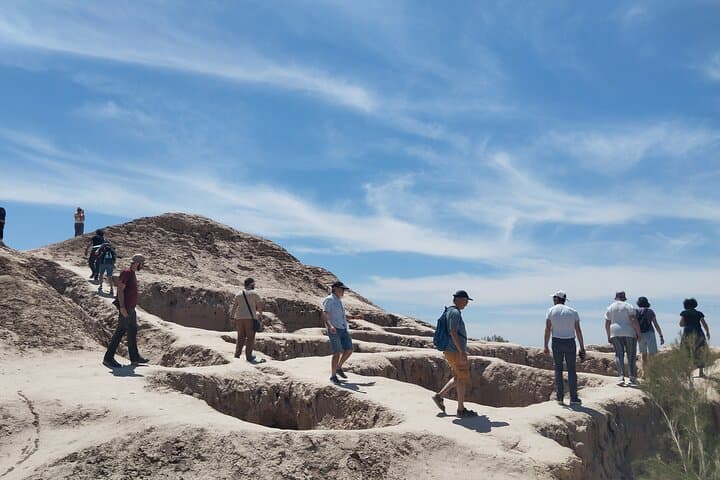
Practical guidance: the tour is a full day (about nine hours) with short guided walks at each site; wear sturdy shoes and sun protection, carry ample water, and keep a light jacket for dusty winds. Photography is rewarding but respect local customs and fragile structures. Plan for basic facilities at Akchakul; most other stops have no services. The trip is best started early to avoid midday heat and to catch the long, sculpting light across the walls.
moderate.
9 hours.
Moderate fitness; short hikes and some climbs over uneven ruins, but no sustained strenuous sections
The tour can start from Khiva or Urgench and typically returns to the same town; drop-off at Urgench airport or train station is often available.
Yes—each fortress includes short walks over uneven terrain, usually 20–60 minutes per site; comfortable walking shoes are recommended.
Food at lakeside stops like Akchakul is usually available but not included; bring cash for restaurants and yurt camps.
Admission is generally not included; check with the operator beforehand if site fees apply and whether audio-guide materials are provided.
The fortresses span from Late Antique and Kushan periods through medieval Khorezmshah rule; many were rebuilt or reinforced around the 12th–13th centuries during regional conflicts and the Mongol era.
These mud-brick structures are fragile—stay on established paths, avoid climbing unstable walls, and support local guides who promote low-impact visits.
Oxus Travel operates guided outdoor trips and adventures with an emphasis on safety, stewardship, and memorable experiences.
A gravel road unfurls through low, sunbaked plains as your private sedan eases away from the mud-brick lanes of Khiva. Wind carries the dry voice of the desert and, ahead, hulking silhouettes of earthen walls puncture the horizon — the seven fortresses of Khorezm rise like chapters in a living chronicle.
A gravel road unfurls through low, sunbaked plains as your private sedan eases away from the mud-brick lanes of Khiva. Wind carries the dry voice of the desert and, ahead, hulking silhouettes of earthen walls puncture the horizon — the seven fortresses of Khorezm rise like chapters in a living chronicle.
These ruined citadels record centuries: Toprak Kala's Kushan-era administrative halls, Janbas Kala's towering straight walls and inclined loopholes, and the medieval scars at Guldursun Kala tied to the Mongol assault of 1220. Ayaz Kala's triple forts sit above a shallow lake, where Akchakul still offers local fish and the occasional yurt camp. Geologically, the area is a flat alluvial plain shaped by historic shifts of the Amu Darya; changes in the river helped form Akchakul and concentrated salt flats that now outline the ruins.
Culture here is tactile — Karakalpak traditions persist in small settlements and simple lakeside restaurants; expect conversations translated through gestures and shared plates of grilled local fish. Archaeological fragments—pottery, coins, mud-brick masonry—explain how regional power and trade once threaded through these defenses.
Practical guidance: the tour is a full day (about nine hours) with short guided walks at each site; wear sturdy shoes and sun protection, carry ample water, and keep a light jacket for dusty winds. Photography is rewarding but respect local customs and fragile structures. Plan for basic facilities at Akchakul; most other stops have no services. The trip is best started early to avoid midday heat and to catch the long, sculpting light across the walls.