THE ADVENTURE COLLECTIVE® · Independent discovery and booking for outdoor travel

Visit Khami Ruins for a compact, revealing day trip from Bulawayo. Explore 16th-century Torwa Dynasty stonework—platforms, chevrons and monoliths—on a short, informative walk across low granite ridges.
Visit Khami Ruins for a compact, revealing day trip from Bulawayo. Explore 16th-century Torwa Dynasty stonework—platforms, chevrons and monoliths—on a short, informative walk across low granite ridges.
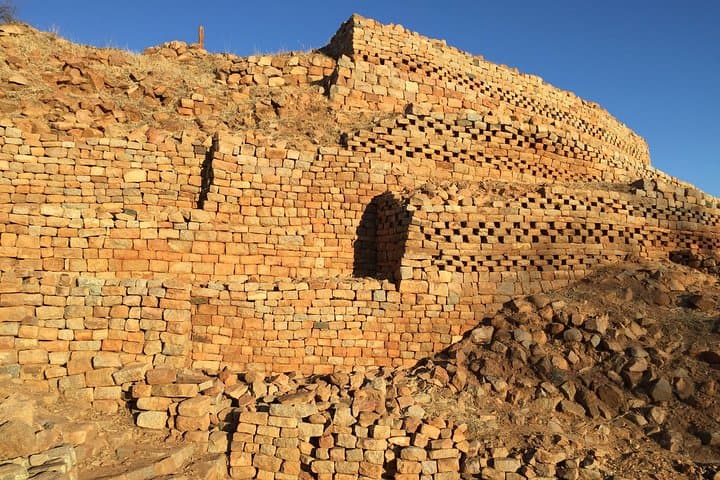
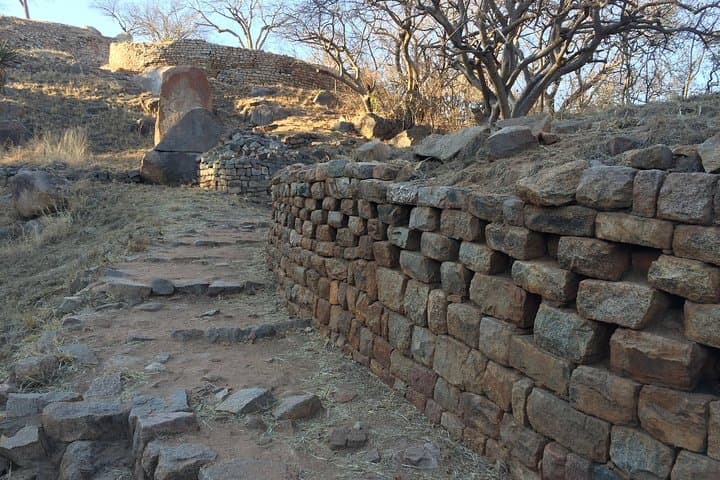
You step out of the air-conditioned vehicle and the air changes—dry, sun-warmed grass, granite boulders catching light like low-fired bronze. The Khami Ruins sit on a shallow ridge west of Bulawayo, their low stone walls and chequered facings tracing the outline of a once-ordered capital. Walkways funnel you past platforms and narrow galleries; each chevron and monolith feels like a sentence in a long, human story.
Verified experiences and guided adventures in the surrounding area.
Operated by Bonisa Excursions · Khami (near Bulawayo), Matabeleland North
You step out of the air-conditioned vehicle and the air changes—dry, sun-warmed grass, granite boulders catching light like low-fired bronze. The Khami Ruins sit on a shallow ridge west of Bulawayo, their low stone walls and chequered facings tracing the outline of a once-ordered capital. Walkways funnel you past platforms and narrow galleries; each chevron and monolith feels like a sentence in a long, human story.
Khami was the 16th-century seat of the Torwa Dynasty, built after Great Zimbabwe’s decline. Its dry-stone architecture adapts local granite and compacted clay (daga) to create tiered terraces, retaining walls and a central hill complex where the chief’s residence stood. The site’s undisturbed stratigraphy helped archaeologists link material culture between early and later Zimbabwe periods.
Local Ndebele and Karanga communities regard Khami as part of a wider cultural landscape; guides often point out stone-working techniques and seasonal uses of the nearby vleis (seasonal wetlands). Geologically, the granite outcrops that shape the ruins also shelter small colonies of rock hyrax and nesting raptors.
Practically, expect 2–4 hours on mostly flat, uneven stone surfaces with short climbs to viewpoints. Wear sturdy shoes, bring sun protection and water—the route has little shade. Photography and quiet observation reward patient visitors; stay on marked paths to protect fragile walls. The site is accessible by private transfer from Bulawayo and pairs well with a visit to nearby Matobo or a city museum. Plan for mid-morning or late afternoon to avoid peak sun and to catch the stonework in warm light.
easy.
2–4 hours.
Suitable for most fitness levels; involves short walks on uneven stone surfaces and a few low climbs.
Most visitors spend between 2 and 4 hours on a day trip from Bulawayo, including transport; the on-site walk is typically 60–180 minutes depending on pace and interpretation.
Entry fees and guide availability vary; tour operators usually include a guided visit in the booking—confirm locally for the current entrance charge and guide options.
Short walks are family-friendly but stone steps and uneven ground limit stroller access; infants can be carried and the tour is generally suitable for older children.
Morning or late afternoon provides cooler temperatures and favorable light for photos; mid-morning avoids the very hottest hours and often aligns with guided tour schedules.
Khami was the capital of the Torwa state in the 16th century and is the second-largest dry-stone monument in Zimbabwe after Great Zimbabwe.
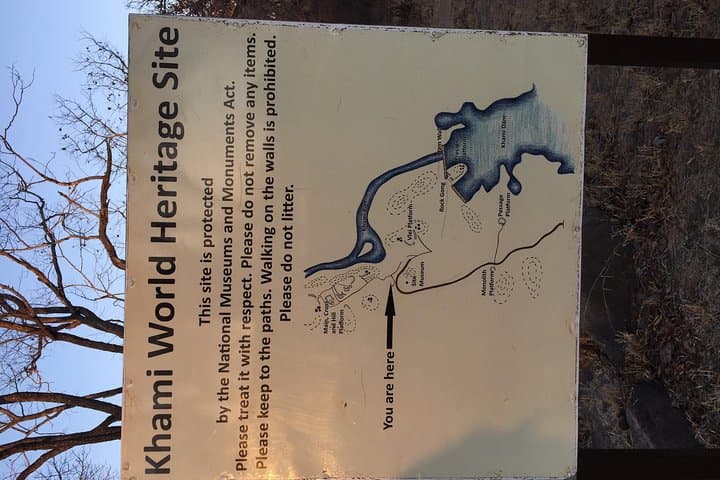
The dry-stone walls are easily damaged—follow paths, use local guides, and support site entry fees that contribute to maintenance and community programs.
Bonisa Excursions operates guided outdoor trips and adventures with an emphasis on safety, stewardship, and memorable experiences.
You step out of the air-conditioned vehicle and the air changes—dry, sun-warmed grass, granite boulders catching light like low-fired bronze. The Khami Ruins sit on a shallow ridge west of Bulawayo, their low stone walls and chequered facings tracing the outline of a once-ordered capital. Walkways funnel you past platforms and narrow galleries; each chevron and monolith feels like a sentence in a long, human story.
You step out of the air-conditioned vehicle and the air changes—dry, sun-warmed grass, granite boulders catching light like low-fired bronze. The Khami Ruins sit on a shallow ridge west of Bulawayo, their low stone walls and chequered facings tracing the outline of a once-ordered capital. Walkways funnel you past platforms and narrow galleries; each chevron and monolith feels like a sentence in a long, human story.
Khami was the 16th-century seat of the Torwa Dynasty, built after Great Zimbabwe’s decline. Its dry-stone architecture adapts local granite and compacted clay (daga) to create tiered terraces, retaining walls and a central hill complex where the chief’s residence stood. The site’s undisturbed stratigraphy helped archaeologists link material culture between early and later Zimbabwe periods.
Local Ndebele and Karanga communities regard Khami as part of a wider cultural landscape; guides often point out stone-working techniques and seasonal uses of the nearby vleis (seasonal wetlands). Geologically, the granite outcrops that shape the ruins also shelter small colonies of rock hyrax and nesting raptors.
Practically, expect 2–4 hours on mostly flat, uneven stone surfaces with short climbs to viewpoints. Wear sturdy shoes, bring sun protection and water—the route has little shade. Photography and quiet observation reward patient visitors; stay on marked paths to protect fragile walls. The site is accessible by private transfer from Bulawayo and pairs well with a visit to nearby Matobo or a city museum. Plan for mid-morning or late afternoon to avoid peak sun and to catch the stonework in warm light.