THE ADVENTURE COLLECTIVE® · Independent discovery and booking for outdoor travel

A half-day escape from Mumbai into Sanjay Gandhi National Park, the Kanheri Caves reveal 1,000 years of Buddhist rock-cut architecture amid shaded trails. This guided tour combines easy hiking, carved stupas and practical logistics—transport, entry and water—so you can focus on the caves themselves.
A half-day escape from Mumbai into Sanjay Gandhi National Park, the Kanheri Caves reveal 1,000 years of Buddhist rock-cut architecture amid shaded trails. This guided tour combines easy hiking, carved stupas and practical logistics—transport, entry and water—so you can focus on the caves themselves.
Step off the city grid and into a shaded world where basalt faces hold carved rooms and stone steps lead you through a silent classroom of history.
Verified experiences and guided adventures in the surrounding area.
Operated by Linda Tours Mumbai · Mumbai, Maharashtra
Step off the city grid and into a shaded world where basalt faces hold carved rooms and stone steps lead you through a silent classroom of history.
The Kanheri Caves sit inside Sanjay Gandhi National Park on Salsette Island—109 rock-cut caverns chiselled from dark basalt between the 1st century BCE and the 10th century CE. Walkways worn by centuries of travelers, stupas, carved reliefs and faded paint mark this site as both a monastic complex and an open-air library of Buddhism in western India. The basalt itself cools the air; gullies and seasonal streams push the forest forward after monsoon rains and offer a green contrast to the black rock.
Culturally, Kanheri has long been a pilgrimage and learning center. Inscriptions in Brahmi script and later patrons’ marks tell a slow story of commerce, devotion and regional patronage that linked Mumbai’s ancient shoreline with inland trade routes.
Practically: expect 5–6 hours including transfers, moderate walking over uneven, rock-cut steps and short climbs between caves. Paths range from well-trod stone stairs to packed-dirt trails; shade is generous but sun hits exposed plateaus. Morning departures avoid heat and afternoon park crowds. Tour packages often include private transport, bottled water and entrance fees—confirm meeting and drop-off points ahead of time.
Wear grippy closed-toe shoes, bring sun protection and a light rain layer in monsoon season. Respect the archaeological sites: don’t touch fragile carvings, keep noise low, and carry out any rubbish. For travellers craving a mix of easy hiking, archaeology and quiet forest air, Kanheri delivers a compact, layered experience close to the city.
moderate.
5–6 hours.
Light-to-moderate fitness—comfortable walking and short climbs over uneven steps; suitable for most people with reasonable mobility.
Typical departures last 5–6 hours including pickup, drive and guided time at the caves.
Yes—paths are mostly well-maintained but there are many steps; mobility limitations should be considered and ask about pickup/drop-off options close to trailheads.
Photography is generally permitted but avoid using flash on fragile paintings and respect signage in protected sections.
Most guided tours include entrance fees; confirm with your operator if the ticket is included and carry ID for park entry.
Kanheri’s name derives from Sanskrit Krishnagiri (black mountain); the complex evolved over a millennium as a monastic and educational hub linked to coastal trade.
The caves lie within Sanjay Gandhi National Park—follow park rules, avoid littering and use designated paths to limit erosion and damage to archaeological surfaces.
Linda Tours Mumbai operates guided outdoor trips and adventures with an emphasis on safety, stewardship, and memorable experiences.
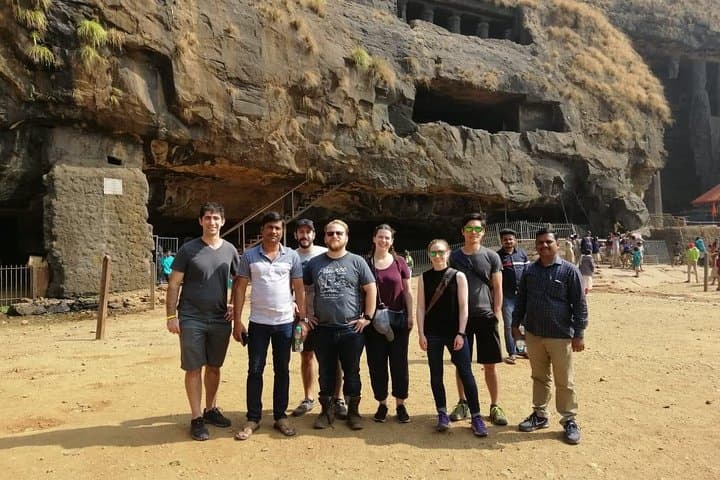

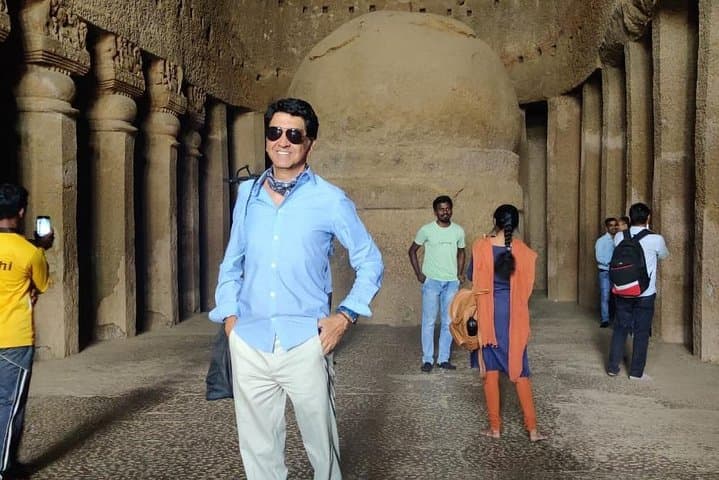

Step off the city grid and into a shaded world where basalt faces hold carved rooms and stone steps lead you through a silent classroom of history.
Step off the city grid and into a shaded world where basalt faces hold carved rooms and stone steps lead you through a silent classroom of history.
The Kanheri Caves sit inside Sanjay Gandhi National Park on Salsette Island—109 rock-cut caverns chiselled from dark basalt between the 1st century BCE and the 10th century CE. Walkways worn by centuries of travelers, stupas, carved reliefs and faded paint mark this site as both a monastic complex and an open-air library of Buddhism in western India. The basalt itself cools the air; gullies and seasonal streams push the forest forward after monsoon rains and offer a green contrast to the black rock.
Culturally, Kanheri has long been a pilgrimage and learning center. Inscriptions in Brahmi script and later patrons’ marks tell a slow story of commerce, devotion and regional patronage that linked Mumbai’s ancient shoreline with inland trade routes.
Practically: expect 5–6 hours including transfers, moderate walking over uneven, rock-cut steps and short climbs between caves. Paths range from well-trod stone stairs to packed-dirt trails; shade is generous but sun hits exposed plateaus. Morning departures avoid heat and afternoon park crowds. Tour packages often include private transport, bottled water and entrance fees—confirm meeting and drop-off points ahead of time.
Wear grippy closed-toe shoes, bring sun protection and a light rain layer in monsoon season. Respect the archaeological sites: don’t touch fragile carvings, keep noise low, and carry out any rubbish. For travellers craving a mix of easy hiking, archaeology and quiet forest air, Kanheri delivers a compact, layered experience close to the city.