THE ADVENTURE COLLECTIVE® · Independent discovery and booking for outdoor travel

Travel to Kampong Khleang and witness houses on towering stilts and floating communities shaped by Tonle Sap’s annual flood. This 5–6 hour tour from Siem Reap pairs canal cruising with cultural visits to pagodas and family homes.
Travel to Kampong Khleang and witness houses on towering stilts and floating communities shaped by Tonle Sap’s annual flood. This 5–6 hour tour from Siem Reap pairs canal cruising with cultural visits to pagodas and family homes.
Before sunrise the water takes the lead—low mist lifting off Tonle Sap as long-tail boats cut quiet channels toward Kampong Khleang. Wooden houses rise on stilts like a small vertical town; in the wet months the verandas skim the same plane as the lake and in the dry season those stilts reveal how villagers live with the flood pulse.
Verified experiences and guided adventures in the surrounding area.
Operated by Angkor Wat Cambodia Tour · Kampong Khleang, Siem Reap Province
Before sunrise the water takes the lead—low mist lifting off Tonle Sap as long-tail boats cut quiet channels toward Kampong Khleang. Wooden houses rise on stilts like a small vertical town; in the wet months the verandas skim the same plane as the lake and in the dry season those stilts reveal how villagers live with the flood pulse.
Kampong Khleang sits on the great Tonle Sap floodplain, a landscape shaped by seasonal hydrology that reverses the Mekong’s flow each year. The village’s economy and rhythm come from that pulse: rice, fishing, and boat repairs. Pagodas here stand on the same ground generations used, and faded wall paintings record local devotion and community memory.
Expect to split time between narrow canals and open lake, with boat access in the wet season and higher, sandy tracks in the dry months. You’ll visit a pagoda built over an older temple foundation, meet residents in waterworn houses, and watch fish operations that feed Siem Reap. The soundscape is water, calls of waterbirds, and the occasional motor hum—simple, direct, instructive.
Practical guidance: bring insect repellent and a lightweight rain shell in wet months; footwear that handles muddy steps; cash for small purchases and donations; and a camera with a fast shutter for birds and boat life. Tours typically run 5–6 hours from Siem Reap by air-conditioned vehicle and boat. Respect household privacy, avoid stepping onto private porches without invitation, and opt for a local guide to translate and deepen the visit. Kampong Khleang rewards patience—here the lake leads the way.
easy.
5–6 hours.
Suitable for most fitness levels; involves short walks, boat rides, and some steps when boarding.
Travel time is roughly 1–1.5 hours each way by air-conditioned vehicle depending on traffic and road conditions.
The wet season (May–October) raises water levels so houses appear to float; the dry season exposes stilts and roads for walking.
Yes—operators commonly provide life vests and infant seating is often available; confirm at booking and supervise children on decks.
Yes, but always ask permission through your guide; small purchases or nominal donations are appreciated and respectful.
Kampong Khleang developed around Tonle Sap’s seasonal flood cycles; houses on stilts and boat-based livelihoods reflect centuries of adaptation to the lake’s changing levels.
Tonle Sap is an ecologically critical floodplain; minimize plastic, avoid feeding wildlife, and choose local guides to ensure tourism benefits residents and conservation.
Angkor Wat Cambodia Tour operates guided outdoor trips and adventures with an emphasis on safety, stewardship, and memorable experiences.
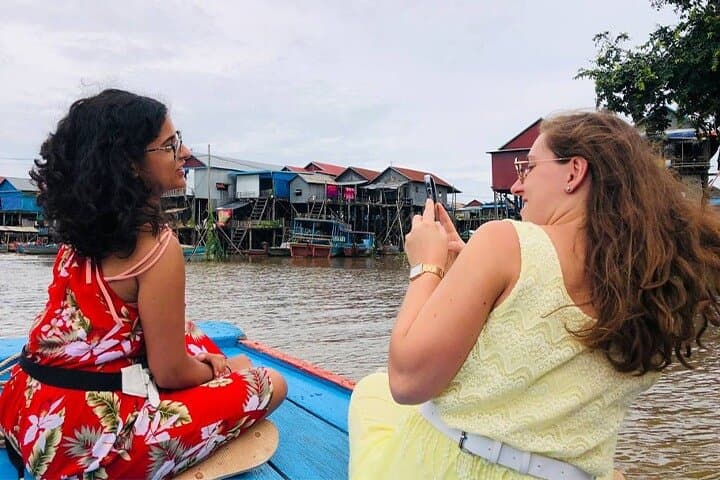
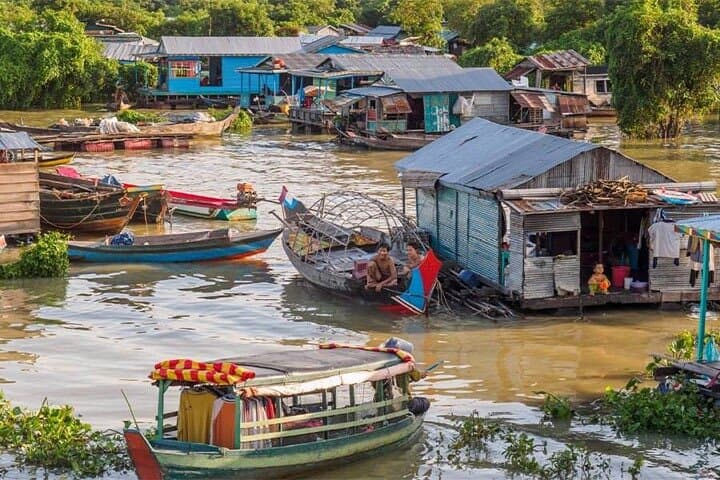

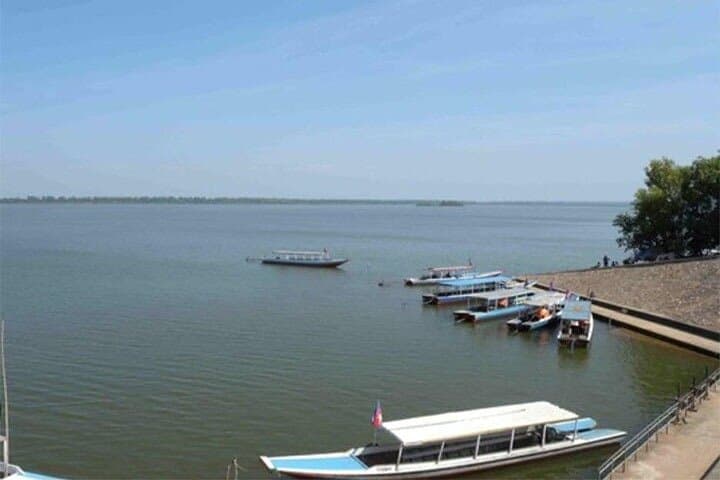
Before sunrise the water takes the lead—low mist lifting off Tonle Sap as long-tail boats cut quiet channels toward Kampong Khleang. Wooden houses rise on stilts like a small vertical town; in the wet months the verandas skim the same plane as the lake and in the dry season those stilts reveal how villagers live with the flood pulse.
Before sunrise the water takes the lead—low mist lifting off Tonle Sap as long-tail boats cut quiet channels toward Kampong Khleang. Wooden houses rise on stilts like a small vertical town; in the wet months the verandas skim the same plane as the lake and in the dry season those stilts reveal how villagers live with the flood pulse.
Kampong Khleang sits on the great Tonle Sap floodplain, a landscape shaped by seasonal hydrology that reverses the Mekong’s flow each year. The village’s economy and rhythm come from that pulse: rice, fishing, and boat repairs. Pagodas here stand on the same ground generations used, and faded wall paintings record local devotion and community memory.
Expect to split time between narrow canals and open lake, with boat access in the wet season and higher, sandy tracks in the dry months. You’ll visit a pagoda built over an older temple foundation, meet residents in waterworn houses, and watch fish operations that feed Siem Reap. The soundscape is water, calls of waterbirds, and the occasional motor hum—simple, direct, instructive.
Practical guidance: bring insect repellent and a lightweight rain shell in wet months; footwear that handles muddy steps; cash for small purchases and donations; and a camera with a fast shutter for birds and boat life. Tours typically run 5–6 hours from Siem Reap by air-conditioned vehicle and boat. Respect household privacy, avoid stepping onto private porches without invitation, and opt for a local guide to translate and deepen the visit. Kampong Khleang rewards patience—here the lake leads the way.