THE ADVENTURE COLLECTIVE® · Independent discovery and booking for outdoor travel

Walk the plazas and low pyramids of Iximché, the Kaqchikel capital where stone and sky still feel alive. This practical guide explains what you’ll see, local context, and how to plan a half-day cultural outing from Tecpán.
Walk the plazas and low pyramids of Iximché, the Kaqchikel capital where stone and sky still feel alive. This practical guide explains what you’ll see, local context, and how to plan a half-day cultural outing from Tecpán.
You step out of the minivan into highland air that smells faintly of pine and wood smoke. Low stone platforms rise ahead, geometric and abrupt against a sky that can flip from blazing sun to sudden rain. At Iximché the stones still hold a voice: the plazas invite you to walk the same lines once measured by Kaqchikel rulers, and the ballcourts sit like silent referees watching centuries pass.
Verified experiences and guided adventures in the surrounding area.
Operated by Tours With Vick · Tecpán Guatemala, Chimaltenango
You step out of the minivan into highland air that smells faintly of pine and wood smoke. Low stone platforms rise ahead, geometric and abrupt against a sky that can flip from blazing sun to sudden rain. At Iximché the stones still hold a voice: the plazas invite you to walk the same lines once measured by Kaqchikel rulers, and the ballcourts sit like silent referees watching centuries pass.
Iximché was founded in the late 15th century and became the last major capital of the Kaqchikel Maya before Spanish contact. The site’s low pyramids, ceremonial plazas and the small site museum map a cityscape born from volcanic soils and the rhythms of the Sierra de las Minas foothills. The surrounding landscape — chestnut and pine forest, scrubby slopes — shaped local agriculture and ritual life; nearby Cerro de la Cruz offers a viewpoint that frames Lake Atitlán on clear days.
Culturally, Tecpán’s market traditions and colonial-era church add a living chapter to the ruins: you’ll often hear Kaqchikel language and see traditional dress in the town center before or after your visit. If you choose the optional stop at Finca El Rincón Suizo, expect pastoral animals, home-cooked lunches and a slower pace after the stone and sky of Iximché.
Practical guidance: bring sturdy shoes for uneven stones, sun and rain protection, and small local currency for site entry (not always included). Allow five to six hours for transport, exploration and optional stops. Move deliberately, respect restricted areas, and give yourself time to read plaques and visit the museum — the site rewards attention.
easy.
5–6 hours.
Light walking on uneven terrain; suitable for most fitness levels including families with children
Not always—many operators exclude the archaeological site fee. Confirm with your provider and bring cash for entrance.
Most visitors go by private transfer or day tour from Tecpán, Antigua or Guatemala City; public buses serve Tecpán and local taxis or colectivos can reach the site.
Some paths are stroller-accessible around the park areas, but many ruins have uneven steps and low platforms that make full access challenging.
Local guides are often available at the entrance or arranged through tours—guides add historical and cultural context and help interpret the ruins.
Iximché became a major Kaqchikel capital in the late 1400s and played a pivotal role during early Spanish contact; ceremonial plazas and ballcourts reflect a complex civic and ritual life.
The site is protected but fragile—avoid touching masonry, follow paths, and support local guides and community enterprises to sustain conservation efforts.
Tours With Vick operates guided outdoor trips and adventures with an emphasis on safety, stewardship, and memorable experiences.
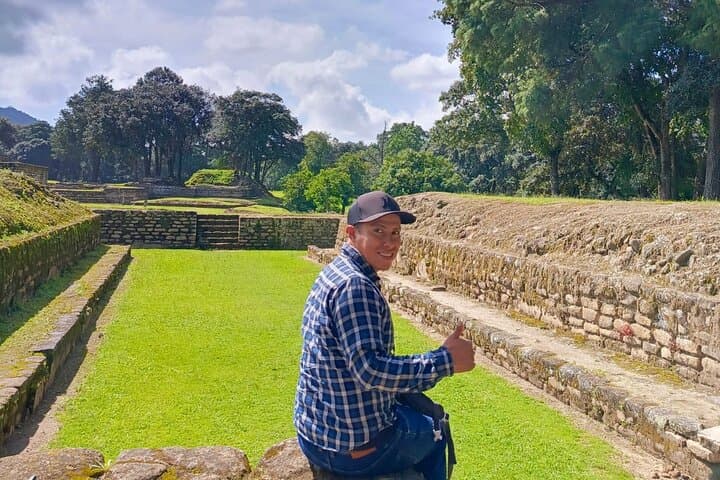
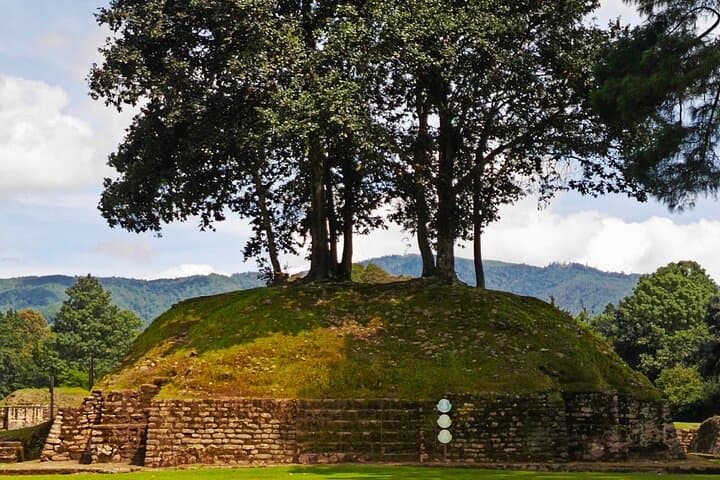
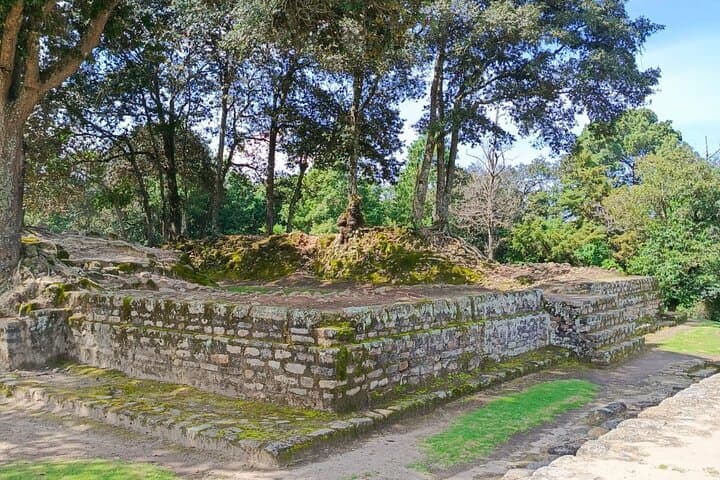
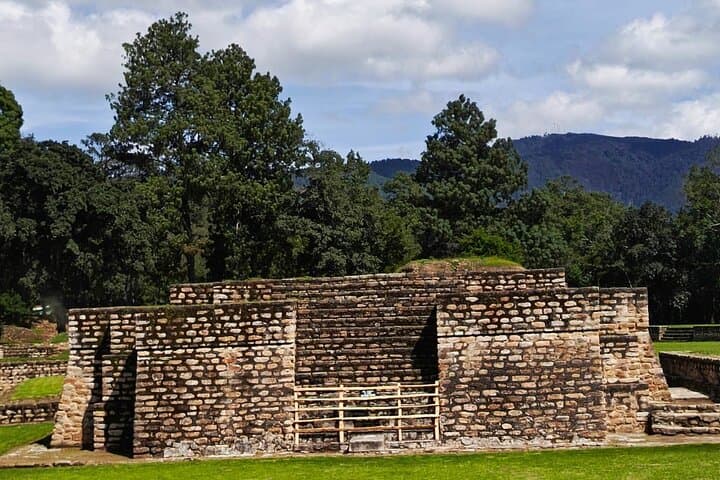
You step out of the minivan into highland air that smells faintly of pine and wood smoke. Low stone platforms rise ahead, geometric and abrupt against a sky that can flip from blazing sun to sudden rain. At Iximché the stones still hold a voice: the plazas invite you to walk the same lines once measured by Kaqchikel rulers, and the ballcourts sit like silent referees watching centuries pass.
You step out of the minivan into highland air that smells faintly of pine and wood smoke. Low stone platforms rise ahead, geometric and abrupt against a sky that can flip from blazing sun to sudden rain. At Iximché the stones still hold a voice: the plazas invite you to walk the same lines once measured by Kaqchikel rulers, and the ballcourts sit like silent referees watching centuries pass.
Iximché was founded in the late 15th century and became the last major capital of the Kaqchikel Maya before Spanish contact. The site’s low pyramids, ceremonial plazas and the small site museum map a cityscape born from volcanic soils and the rhythms of the Sierra de las Minas foothills. The surrounding landscape — chestnut and pine forest, scrubby slopes — shaped local agriculture and ritual life; nearby Cerro de la Cruz offers a viewpoint that frames Lake Atitlán on clear days.
Culturally, Tecpán’s market traditions and colonial-era church add a living chapter to the ruins: you’ll often hear Kaqchikel language and see traditional dress in the town center before or after your visit. If you choose the optional stop at Finca El Rincón Suizo, expect pastoral animals, home-cooked lunches and a slower pace after the stone and sky of Iximché.
Practical guidance: bring sturdy shoes for uneven stones, sun and rain protection, and small local currency for site entry (not always included). Allow five to six hours for transport, exploration and optional stops. Move deliberately, respect restricted areas, and give yourself time to read plaques and visit the museum — the site rewards attention.