THE ADVENTURE COLLECTIVE® · Independent discovery and booking for outdoor travel

Discover the rugged beauty of Hustai National Park, home to the rare Przewalski’s wild horses and vast rolling steppe. This day tour from Ulaanbaatar offers a blend of wildlife observation, hiking, and insight into Mongolia’s nomadic tradition.
Discover the rugged beauty of Hustai National Park, home to the rare Przewalski’s wild horses and vast rolling steppe. This day tour from Ulaanbaatar offers a blend of wildlife observation, hiking, and insight into Mongolia’s nomadic tradition.
Roughly 60 miles west of Ulaanbaatar, Hustai National Park unfolds across sprawling steppe hills that rise and fall under the vast Mongolian sky. This destination isn’t just wide-open grasslands; it’s the beating heart of a conservation success story where the Takhi, or Przewalski’s wild horses, roam freely. Arriving by road, the gradual shift from the urban outskirts to nomadic encampments sets the tone for an immersive day devoted to nature and heritage.
Verified experiences and guided adventures in the surrounding area.
Operated by Travel Mongolia · Hustai National Park, Tuv Province
Roughly 60 miles west of Ulaanbaatar, Hustai National Park unfolds across sprawling steppe hills that rise and fall under the vast Mongolian sky. This destination isn’t just wide-open grasslands; it’s the beating heart of a conservation success story where the Takhi, or Przewalski’s wild horses, roam freely. Arriving by road, the gradual shift from the urban outskirts to nomadic encampments sets the tone for an immersive day devoted to nature and heritage.
Founded in the early 1990s, Hustai was established to safeguard the nearly extinct Takhi horse, a species that survived solely in captivity until reintroduction efforts took hold here. Today, these horses reclaim their ancestral terrain, living as the plains’ original residents did centuries ago. The landscape itself is rugged but inviting—rolling hills carpeted in grass, punctuated by groves of dwarf Siberian pine. Quietly, the park offers more than horses; birdwatchers keep eyes peeled for rare raptors, while traces of ancient Mongolia’s nomadic past linger in scattered ruins.
The journey begins early, departing from Ulaanbaatar before dawn to beat both heat and crowds. The drive runs along well-maintained asphalt roads, flanked by outposts of nomadic life—gers clustered beneath expansive skies, herders tending livestock—or momentary glimpses of distant mountain ridges. Upon arrival, a local guide leads through select viewing spots where wild horses graze and socialize, their wary eyes scanning the horizon. The park’s topography gently challenges walkers but remains accessible, blending lightly forested patches with wide open fields.
Midday offers a pause with a simple lunch served near the visitor center, a chance to refuel in this elemental setting. Afterwards, camera shutters click, aiming to capture horses running headlong into the wind or golden light filtering through pine needles. The return to Ulaanbaatar is more than a trip back—it’s a moment to reflect on an ecosystem where nature asserts its resilience against modern pressures.
Ideal for travelers with moderate fitness, this tour blends wildlife viewing, light hiking, and cultural immersion. Footwear should be sturdy for uneven terrain, and layers are recommended to adapt to Mongolia’s shifting temperatures. Planning to visit in late spring through early autumn ensures the horses are most active and visible. Remember to carry water, sunscreen, and binoculars to deepen your experience.
Ultimately, Hustai National Park invites adventurers to witness Mongolia’s wilderness reborn, with the wild horse standing as both symbol and testament to conservation’s possibilities.
moderate.
5–8 hours.
Should be comfortable walking on uneven terrain for several hours with occasional standing periods for wildlife viewing.
The tour duration ranges from 5 to 8 hours, including travel time to and from Hustai National Park.
The main attraction is the Przewalski’s wild horse, but you may also see Mongolian gazelles, roe deer, and various bird species.
Hiking is moderate, involving gentle hills and uneven grassland paths, suitable for most travelers with moderate fitness.
Yes, a simple lunch is provided during the tour.
Children are welcome but must be accompanied by an adult.
Late spring through early autumn offers the best wildlife visibility and comfortable weather.
Hustai National Park was established in 1993 as the world’s first protected area to reintroduce the Przewalski’s wild horse, once extinct in the wild.
The park is a pioneering model of international cooperation in wildlife conservation, balancing tourism with habitat protection and local nomadic traditions.
Travel Mongolia operates guided outdoor trips and adventures with an emphasis on safety, stewardship, and memorable experiences.
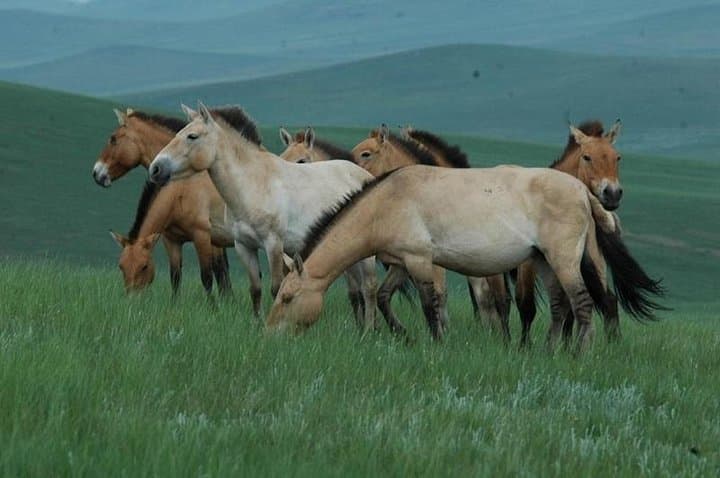
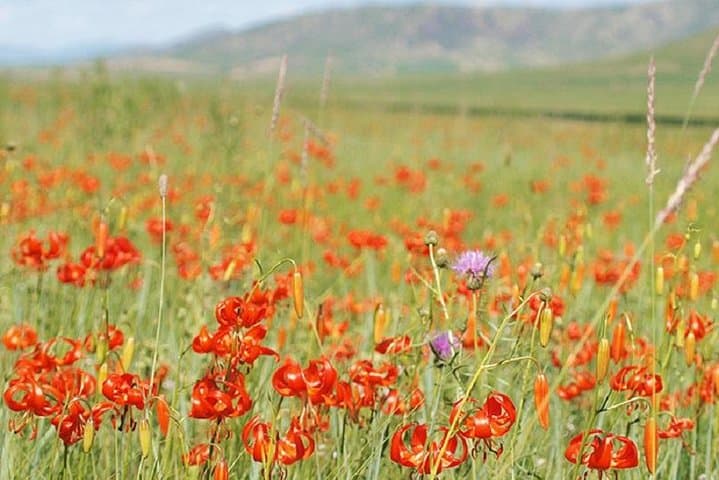
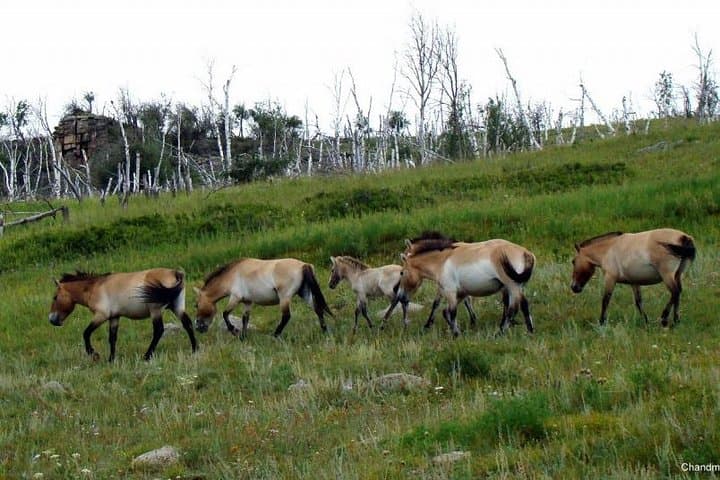
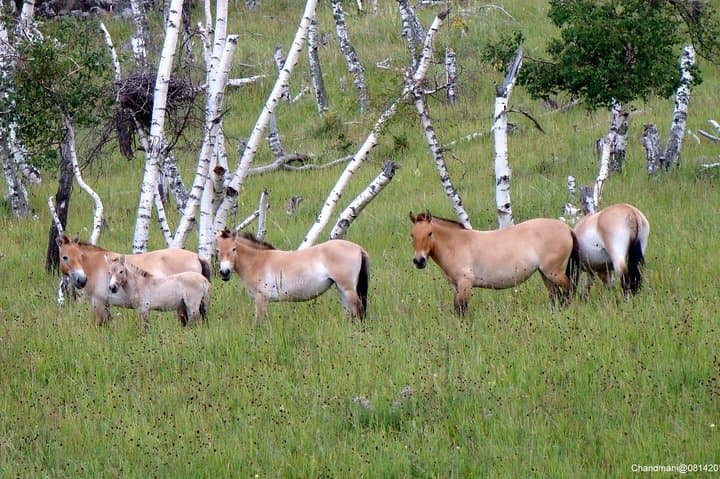
Roughly 60 miles west of Ulaanbaatar, Hustai National Park unfolds across sprawling steppe hills that rise and fall under the vast Mongolian sky. This destination isn’t just wide-open grasslands; it’s the beating heart of a conservation success story where the Takhi, or Przewalski’s wild horses, roam freely. Arriving by road, the gradual shift from the urban outskirts to nomadic encampments sets the tone for an immersive day devoted to nature and heritage.
Roughly 60 miles west of Ulaanbaatar, Hustai National Park unfolds across sprawling steppe hills that rise and fall under the vast Mongolian sky. This destination isn’t just wide-open grasslands; it’s the beating heart of a conservation success story where the Takhi, or Przewalski’s wild horses, roam freely. Arriving by road, the gradual shift from the urban outskirts to nomadic encampments sets the tone for an immersive day devoted to nature and heritage.
Founded in the early 1990s, Hustai was established to safeguard the nearly extinct Takhi horse, a species that survived solely in captivity until reintroduction efforts took hold here. Today, these horses reclaim their ancestral terrain, living as the plains’ original residents did centuries ago. The landscape itself is rugged but inviting—rolling hills carpeted in grass, punctuated by groves of dwarf Siberian pine. Quietly, the park offers more than horses; birdwatchers keep eyes peeled for rare raptors, while traces of ancient Mongolia’s nomadic past linger in scattered ruins.
The journey begins early, departing from Ulaanbaatar before dawn to beat both heat and crowds. The drive runs along well-maintained asphalt roads, flanked by outposts of nomadic life—gers clustered beneath expansive skies, herders tending livestock—or momentary glimpses of distant mountain ridges. Upon arrival, a local guide leads through select viewing spots where wild horses graze and socialize, their wary eyes scanning the horizon. The park’s topography gently challenges walkers but remains accessible, blending lightly forested patches with wide open fields.
Midday offers a pause with a simple lunch served near the visitor center, a chance to refuel in this elemental setting. Afterwards, camera shutters click, aiming to capture horses running headlong into the wind or golden light filtering through pine needles. The return to Ulaanbaatar is more than a trip back—it’s a moment to reflect on an ecosystem where nature asserts its resilience against modern pressures.
Ideal for travelers with moderate fitness, this tour blends wildlife viewing, light hiking, and cultural immersion. Footwear should be sturdy for uneven terrain, and layers are recommended to adapt to Mongolia’s shifting temperatures. Planning to visit in late spring through early autumn ensures the horses are most active and visible. Remember to carry water, sunscreen, and binoculars to deepen your experience.
Ultimately, Hustai National Park invites adventurers to witness Mongolia’s wilderness reborn, with the wild horse standing as both symbol and testament to conservation’s possibilities.