THE ADVENTURE COLLECTIVE® · Independent discovery and booking for outdoor travel

Step into a living chapter of the Silk Road with a half-day exploration of Hisar Fortress. This guided tour from Dushanbe combines accessible ruins, a historic madrasa, and a lively market square—perfect for travelers who want history with practical comfort.
Step into a living chapter of the Silk Road with a half-day exploration of Hisar Fortress. This guided tour from Dushanbe combines accessible ruins, a historic madrasa, and a lively market square—perfect for travelers who want history with practical comfort.
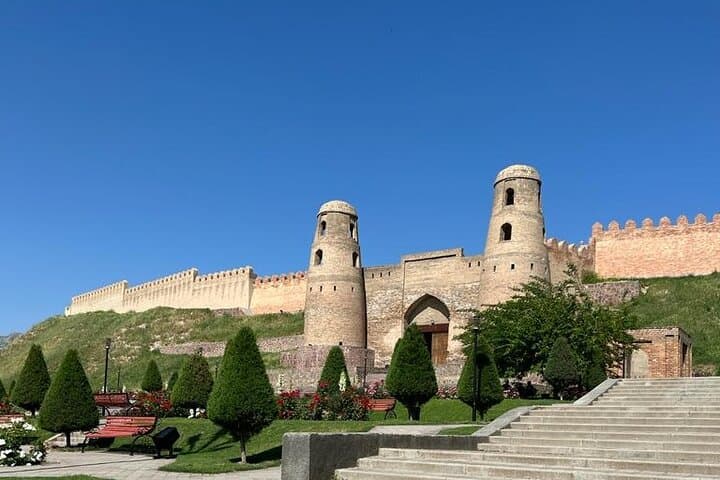
A low wall of mud-brick and baked clay rises out of sun-scorched steppe as your minivan pulls into the plaza — the Hissar (Hisar) Fortress unrolls like the pages of a living history book.
Verified experiences and guided adventures in the surrounding area.
Operated by Bunyod-Tour · Hisor, Districts of Republican Subordination
A low wall of mud-brick and baked clay rises out of sun-scorched steppe as your minivan pulls into the plaza — the Hissar (Hisar) Fortress unrolls like the pages of a living history book.
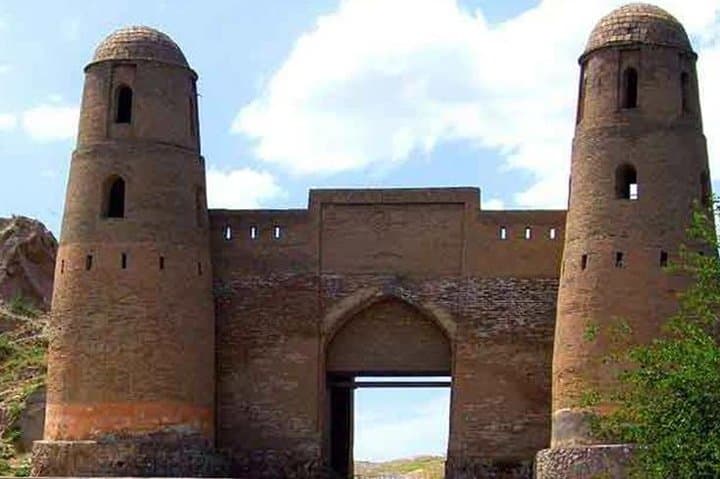
Walk through the pointed arch of the main gate and the air changes: shadowed corridors, a restored pool and a formal garden that recall the emirate’s courtly life, while a market square hums with vendors whose stalls echo the Silk Road past. The site sits on an 86-hectare archaeological footprint that has seen settlements since the 6th century BCE and later served as the residence for governors under the Bukhara emirate.
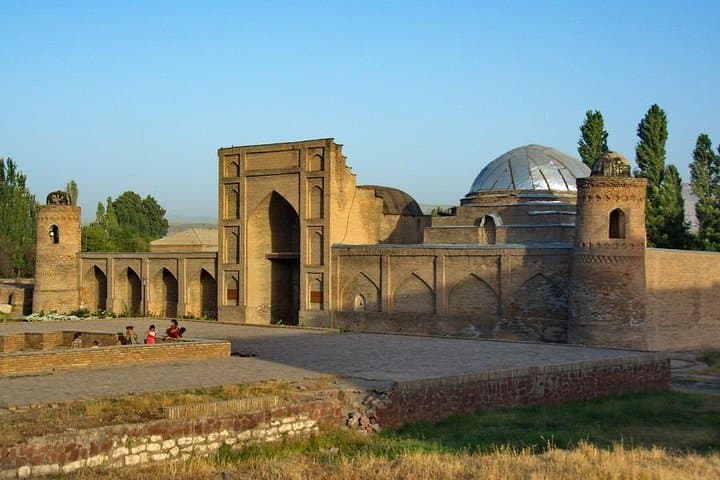
Geologically the valley is soft, alluvial plain at the foot of low foothills; mud-brick and fired-tile construction dominate the ruins. Cultural layers are visible — mausoleums and madrasas from the 16th–18th centuries beside older defensive earthworks. Local craftsmen still work nearby; the caravanserai opposite the fortress gives a direct line to the trade routes that once threaded this corridor.
Practical guide: the standard tour is a 5‑hour round trip from Dushanbe (≈30–40 minutes each way) in an air‑conditioned vehicle; entrance fees are typically included. Wear closed walking shoes for uneven brick and compacted soil, modest clothing for religious sites, and bring a hat and 1–1.5 L of water during summer heat. Photography is welcome but be respectful inside mausoleums and madrasa rooms. There’s an optional horse ride in the fortress square at your own cost and time to browse the nearby crafts market. Plan for mornings or late afternoons to avoid peak sun; the site’s scale rewards a measured pace — leave room to listen to the calls of kestrels over the walls and to the vendors haggling beneath the old arches.
easy.
5 hours.
Suitable for travelers of most fitness levels; expect short walks on uneven ground.
The total excursion is about 5 hours, including 30–40 minute transfers each way and 2–3 hours exploring the fortress and nearby sites.
On this standard private tour entrance fees for the listed monuments are typically included; confirm at booking.
Much of the fortress consists of uneven paths and steps; access is limited for wheelchairs—contact the operator for specific arrangements.
Yes — horse riding in the square is offered as an optional activity at the traveler’s expense and arranged locally.
Hisar has been occupied since at least the 6th century BCE and became an administrative center under the Bukhara emirate; surviving 16th-century towers mark later refurbishments.
Preservation focuses on stabilizing mud-brick structures and balancing visitor access with conservation; avoid climbing fragile walls and support local guides and craftspeople to help sustain the site.
Bunyod-Tour operates guided outdoor trips and adventures with an emphasis on safety, stewardship, and memorable experiences.
A low wall of mud-brick and baked clay rises out of sun-scorched steppe as your minivan pulls into the plaza — the Hissar (Hisar) Fortress unrolls like the pages of a living history book.
A low wall of mud-brick and baked clay rises out of sun-scorched steppe as your minivan pulls into the plaza — the Hissar (Hisar) Fortress unrolls like the pages of a living history book.
Walk through the pointed arch of the main gate and the air changes: shadowed corridors, a restored pool and a formal garden that recall the emirate’s courtly life, while a market square hums with vendors whose stalls echo the Silk Road past. The site sits on an 86-hectare archaeological footprint that has seen settlements since the 6th century BCE and later served as the residence for governors under the Bukhara emirate.
Geologically the valley is soft, alluvial plain at the foot of low foothills; mud-brick and fired-tile construction dominate the ruins. Cultural layers are visible — mausoleums and madrasas from the 16th–18th centuries beside older defensive earthworks. Local craftsmen still work nearby; the caravanserai opposite the fortress gives a direct line to the trade routes that once threaded this corridor.
Practical guide: the standard tour is a 5‑hour round trip from Dushanbe (≈30–40 minutes each way) in an air‑conditioned vehicle; entrance fees are typically included. Wear closed walking shoes for uneven brick and compacted soil, modest clothing for religious sites, and bring a hat and 1–1.5 L of water during summer heat. Photography is welcome but be respectful inside mausoleums and madrasa rooms. There’s an optional horse ride in the fortress square at your own cost and time to browse the nearby crafts market. Plan for mornings or late afternoons to avoid peak sun; the site’s scale rewards a measured pace — leave room to listen to the calls of kestrels over the walls and to the vendors haggling beneath the old arches.