THE ADVENTURE COLLECTIVE® · Independent discovery and booking for outdoor travel

Step over a working drawbridge into a castle shaped by Tudor scandal and Edwardian opulence. Hever Castle pairs intimate historic rooms with expansive gardens and regular outdoor events — plan for 3–4 hours to take it all in.
Step over a working drawbridge into a castle shaped by Tudor scandal and Edwardian opulence. Hever Castle pairs intimate historic rooms with expansive gardens and regular outdoor events — plan for 3–4 hours to take it all in.
Cross the drawbridge and the hush of old stone folds around you — flags flutter, koi push through the moat as if rehearsing a welcome. Hever Castle sits in a low Kent valley where clipped yew alleys and open lawns meet timbered rooms that still smell faintly of wood smoke and polish.
Verified experiences and guided adventures in the surrounding area.
Operated by Timescape Tours · Hever, Kent
Cross the drawbridge and the hush of old stone folds around you — flags flutter, koi push through the moat as if rehearsing a welcome. Hever Castle sits in a low Kent valley where clipped yew alleys and open lawns meet timbered rooms that still smell faintly of wood smoke and polish.
Built in the 13th century and most famous as the childhood home of Anne Boleyn, Hever later became the lavish residence of William Waldorf Astor and his wife Nancy Astor, Britain’s first woman MP. The house shows both Tudor domestic life and Edwardian reinvention: oak-paneled chambers, a Tudor gatehouse and Astor-era collections layered like chapters. Geologically, the grounds rest on gentle Greensand ridges that shape the sweeping lawns and ornamental lakes; the moat and water features pull visitors toward long views and intimate garden rooms.
Beyond history, the site is an active cultural stage — falconry displays, medieval jousts and seasonal craft fairs animate the grounds. Local insight: arrive early for quieter exploration of the Italian and English gardens, and listen for the heron hunting the lily-lined margins.
Practical guidance: allow 3–4 hours to tour house and gardens; wear comfortable walking shoes for gravel paths and minor slopes; check event schedules if you want to see falconry or jousting. Bring a waterproof layer — Kent weather changes fast — and leave time to sit by the moat before you head back toward Edenbridge or the nearby Tunbridge Wells transport links.
easy.
3–4 hours.
Suitable for most fitness levels; requires standing and moderate walking on uneven garden paths.
Allocate 3–4 hours to see the house, gardens and any scheduled demonstrations; longer if you plan a picnic or to attend special events.
Guided tours and demonstrations run seasonally; check the castle’s schedule — self-guided routes let you move at your own pace.
Grounds are stroller-accessible in many areas, but some historic rooms and uneven garden paths have limited accessibility—contact the venue for specifics.
Yes — there is an on-site café and seasonal outdoor kiosks during events; bringing a picnic is also a popular option for the lawns.
Originally documented in the 13th century, Hever is best known as Anne Boleyn’s childhood home and later restored and refitted by William Waldorf Astor in the early 20th century.
Hever’s caretakers balance visitor access with historic preservation; stick to paths and follow on-site guidance to protect plantings and water habitats.
Timescape Tours operates guided outdoor trips and adventures with an emphasis on safety, stewardship, and memorable experiences.
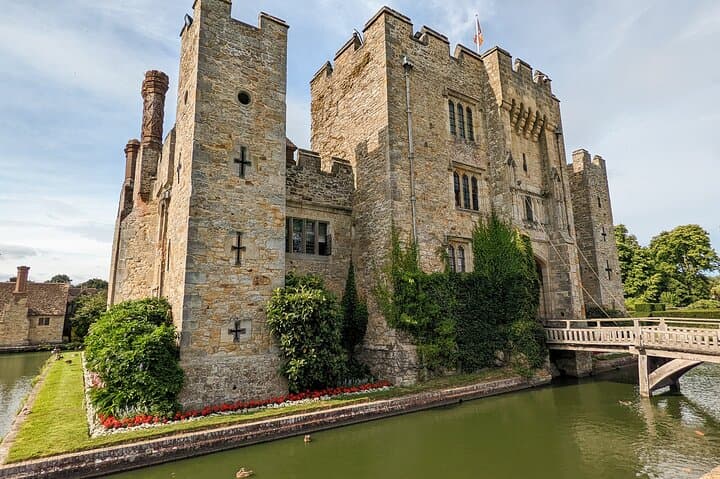
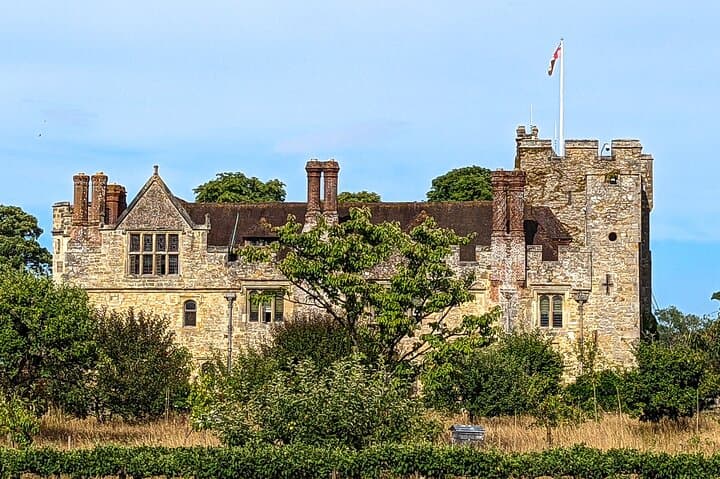

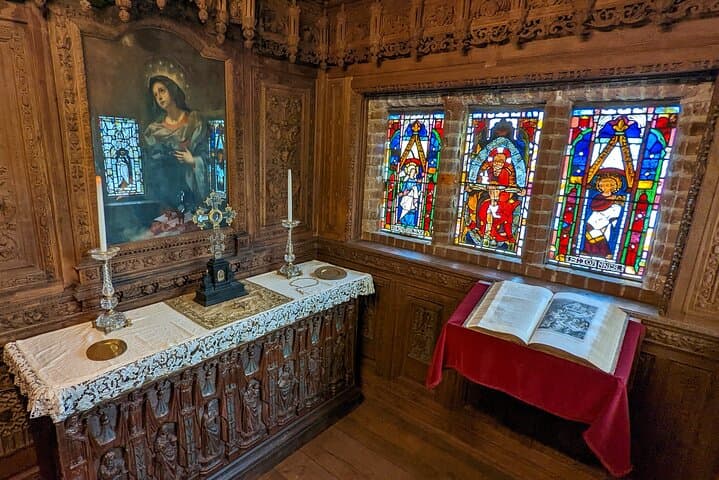
Cross the drawbridge and the hush of old stone folds around you — flags flutter, koi push through the moat as if rehearsing a welcome. Hever Castle sits in a low Kent valley where clipped yew alleys and open lawns meet timbered rooms that still smell faintly of wood smoke and polish.
Cross the drawbridge and the hush of old stone folds around you — flags flutter, koi push through the moat as if rehearsing a welcome. Hever Castle sits in a low Kent valley where clipped yew alleys and open lawns meet timbered rooms that still smell faintly of wood smoke and polish.
Built in the 13th century and most famous as the childhood home of Anne Boleyn, Hever later became the lavish residence of William Waldorf Astor and his wife Nancy Astor, Britain’s first woman MP. The house shows both Tudor domestic life and Edwardian reinvention: oak-paneled chambers, a Tudor gatehouse and Astor-era collections layered like chapters. Geologically, the grounds rest on gentle Greensand ridges that shape the sweeping lawns and ornamental lakes; the moat and water features pull visitors toward long views and intimate garden rooms.
Beyond history, the site is an active cultural stage — falconry displays, medieval jousts and seasonal craft fairs animate the grounds. Local insight: arrive early for quieter exploration of the Italian and English gardens, and listen for the heron hunting the lily-lined margins.
Practical guidance: allow 3–4 hours to tour house and gardens; wear comfortable walking shoes for gravel paths and minor slopes; check event schedules if you want to see falconry or jousting. Bring a waterproof layer — Kent weather changes fast — and leave time to sit by the moat before you head back toward Edenbridge or the nearby Tunbridge Wells transport links.