THE ADVENTURE COLLECTIVE® · Independent discovery and booking for outdoor travel

Follow the Gauja River through sandstone coasts and mixed forests on a 2–3 hour guided tour from Sigulda. Experience visible geology, medieval sites nearby, and reachable viewpoints with a local guide.
Follow the Gauja River through sandstone coasts and mixed forests on a 2–3 hour guided tour from Sigulda. Experience visible geology, medieval sites nearby, and reachable viewpoints with a local guide.
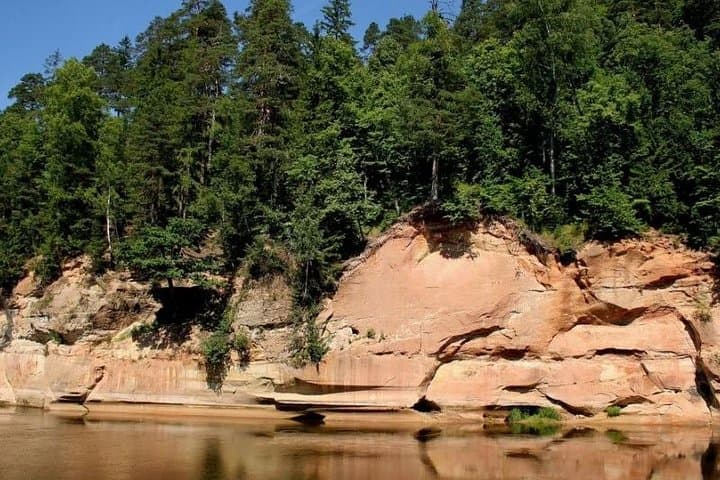
A cool morning fog lifts off the Gauja River as your guide points up the valley slope; the forest answers with birdcalls and the distant scrape of a deer. The path follows the riverbank, switching from packed soil to sandy shore, past eroded sandstone cliffs that mark the park’s geological story.
Verified experiences and guided adventures in the surrounding area.
Operated by Enter Gauja National Park · Sigulda, Vidzeme
A cool morning fog lifts off the Gauja River as your guide points up the valley slope; the forest answers with birdcalls and the distant scrape of a deer. The path follows the riverbank, switching from packed soil to sandy shore, past eroded sandstone cliffs that mark the park’s geological story.
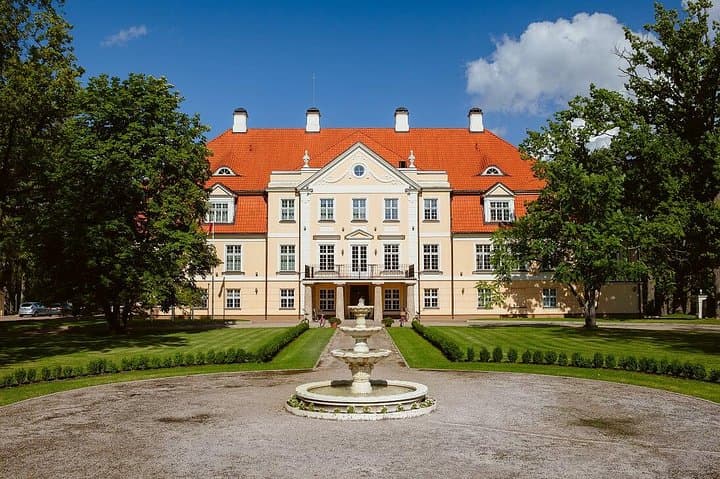
Gauja National Park—Latvia’s oldest and largest protected area—covers broad river valleys carved during the last ice age. Turaida and Sigulda towns nearby preserve medieval history and Baltic culture: timber churches, red‑brick castle ruins and folk craft villages that tell of centuries of river trade and border crossroads.
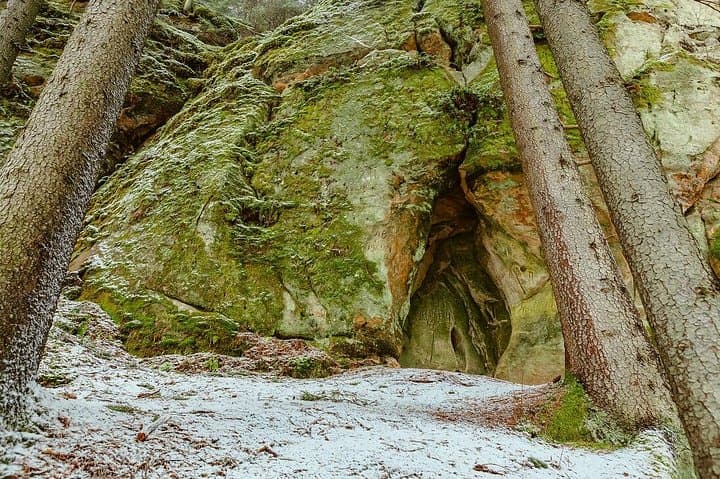
Geology here is visible: layered Devonian sandstone and conglomerates form steep coasts, caves and outlooks. The forest is a mix of pine stands and deciduous corridors that shift color through seasons, and the Gauja river occasionally dares you to slow and listen rather than rush.
On a guided 2–3 hour tour you’ll cover rolling trails and river coasts, learn local conservation efforts, and see viewpoints that photographers prize. Practicalities matter: expect uneven ground, some short climbs, and variable weather—guides typically plan routes to match group fitness and seasonal conditions.
Bring layered clothing, waterproof footwear and water; aim for morning light for best views and smaller crowds. If traveling from Riga (about 50 km), factor in transit time and check public transport schedules. With a professional guide, the route balances natural history, easy interpretive stops and steady outdoor walking—ideal for anyone with moderate fitness wanting a concentrated window into Latvia’s wild heart.
moderate.
2–3 hours.
Suitable for people with moderate fitness; involves walking on uneven trails and short climbs.
Typical tours run about 2–3 hours and cover riverbank trails and viewpoint stops; exact duration depends on itinerary and group pace.
Moderate—expect uneven ground and short climbs; a basic level of mobility and stamina for walking 5–7 km total is helpful.
Guides commonly speak Latvian and Russian; many operators provide English-speaking guides—check booking details when reserving.
You can reach Sigulda by regional train or bus from Riga (about 50 km); some tours include pickup or provide meeting points in Sigulda.
The Gauja valley has been a trade and settlement corridor since medieval times; nearby Turaida and Sigulda hold castle ruins and museum sites that trace Baltic history.
Gauja is a Natura 2000 protected area; stick to marked trails to protect fragile sandstone cliffs, and follow Leave No Trace principles to reduce visitor impact.
Enter Gauja National Park operates guided outdoor trips and adventures with an emphasis on safety, stewardship, and memorable experiences.
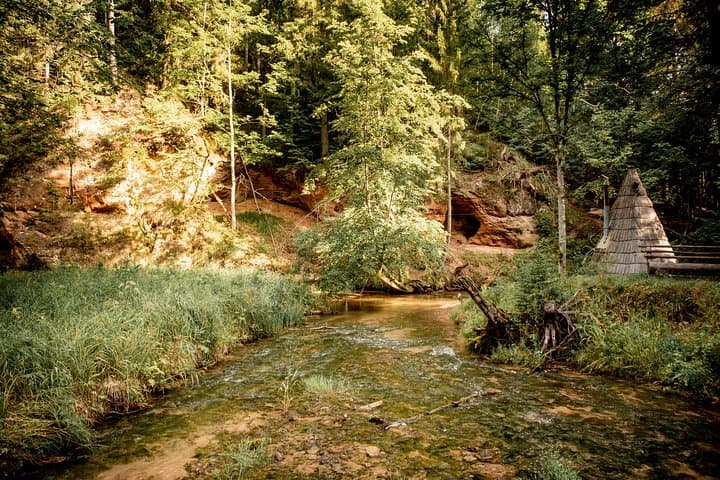
A cool morning fog lifts off the Gauja River as your guide points up the valley slope; the forest answers with birdcalls and the distant scrape of a deer. The path follows the riverbank, switching from packed soil to sandy shore, past eroded sandstone cliffs that mark the park’s geological story.
A cool morning fog lifts off the Gauja River as your guide points up the valley slope; the forest answers with birdcalls and the distant scrape of a deer. The path follows the riverbank, switching from packed soil to sandy shore, past eroded sandstone cliffs that mark the park’s geological story.
Gauja National Park—Latvia’s oldest and largest protected area—covers broad river valleys carved during the last ice age. Turaida and Sigulda towns nearby preserve medieval history and Baltic culture: timber churches, red‑brick castle ruins and folk craft villages that tell of centuries of river trade and border crossroads.
Geology here is visible: layered Devonian sandstone and conglomerates form steep coasts, caves and outlooks. The forest is a mix of pine stands and deciduous corridors that shift color through seasons, and the Gauja river occasionally dares you to slow and listen rather than rush.
On a guided 2–3 hour tour you’ll cover rolling trails and river coasts, learn local conservation efforts, and see viewpoints that photographers prize. Practicalities matter: expect uneven ground, some short climbs, and variable weather—guides typically plan routes to match group fitness and seasonal conditions.
Bring layered clothing, waterproof footwear and water; aim for morning light for best views and smaller crowds. If traveling from Riga (about 50 km), factor in transit time and check public transport schedules. With a professional guide, the route balances natural history, easy interpretive stops and steady outdoor walking—ideal for anyone with moderate fitness wanting a concentrated window into Latvia’s wild heart.