THE ADVENTURE COLLECTIVE® · Independent discovery and booking for outdoor travel

Discover the island’s natural pools on a tide-timed tour from Morro de Fora to Buraco do Galego. This short, guided outing pairs easy wading with close views of reef life and dramatic volcanic coastline.
Discover the island’s natural pools on a tide-timed tour from Morro de Fora to Buraco do Galego. This short, guided outing pairs easy wading with close views of reef life and dramatic volcanic coastline.
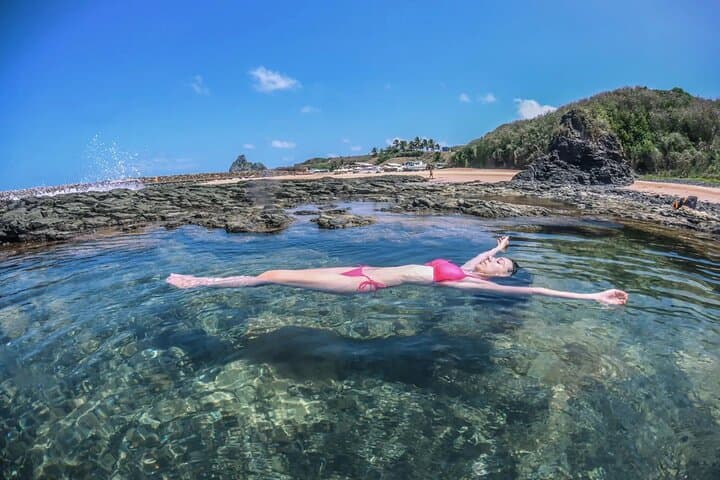
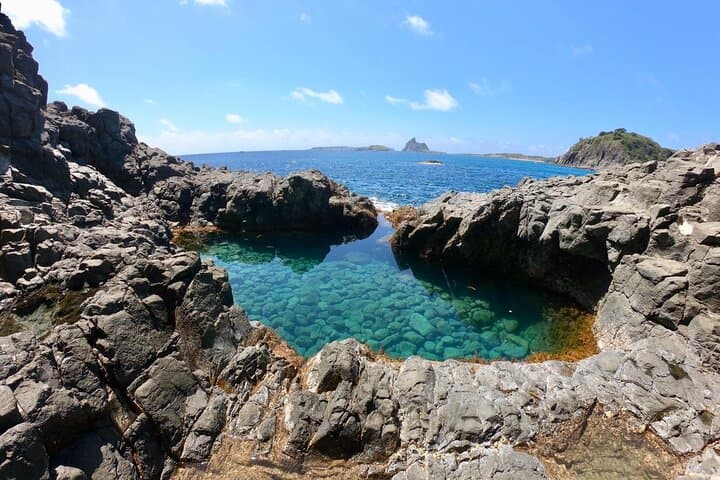
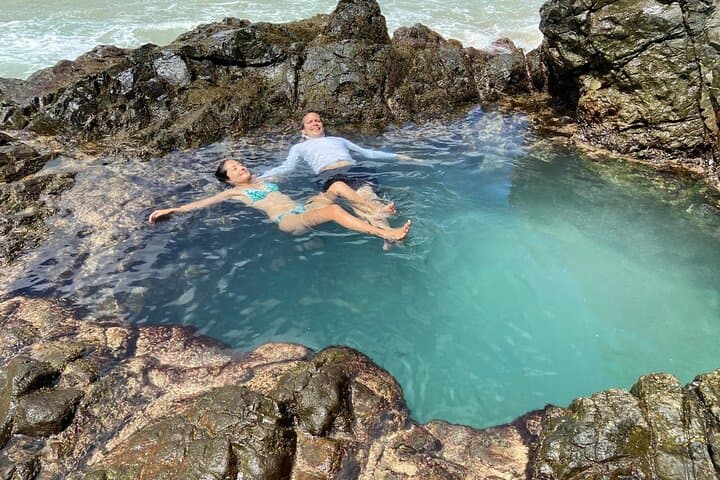
The morning light on Fernando de Noronha breaks clean across low, glassy pools framed by volcanic rock. Visitors step carefully onto warm stone while the ocean, held back by a ring of basalt, reveals emerald basins teeming with reef life. The tour moves with the tide: shallow, luminous water at Morro de Fora, the signature sink of Buraco do Galego at Praia do Cachorro, and the sheltered Lasca da Velha where fish dart between exposed coral.
Verified experiences and guided adventures in the surrounding area.
Operated by MOVE TOUR MARANHAO · Fernando de Noronha, Pernambuco
The morning light on Fernando de Noronha breaks clean across low, glassy pools framed by volcanic rock. Visitors step carefully onto warm stone while the ocean, held back by a ring of basalt, reveals emerald basins teeming with reef life. The tour moves with the tide: shallow, luminous water at Morro de Fora, the signature sink of Buraco do Galego at Praia do Cachorro, and the sheltered Lasca da Velha where fish dart between exposed coral.
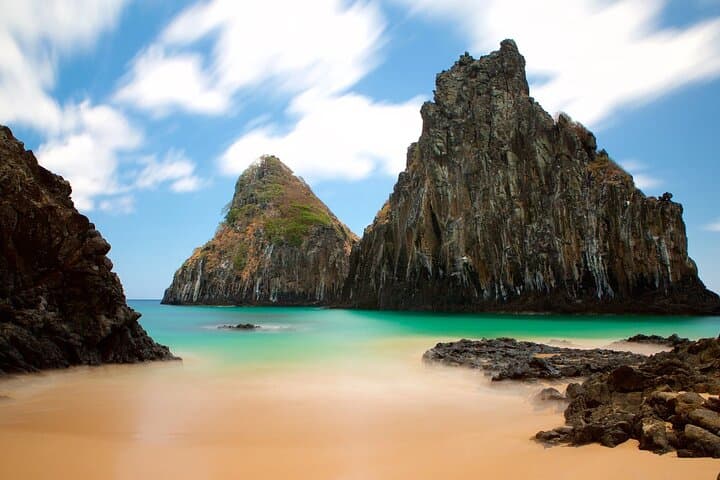
Geology here is raw — eroded volcanic flows sculpted into coves and natural bathtubs where waves and time smoothed the edges. Culturally, the islands have been a guarded refuge: a naval outpost, a penal colony, and now a protected marine park and UNESCO site with strict visitor limits to preserve fragile ecosystems.
Expect close encounters with hawksbill turtles, parrotfish, and curious schools of sergeant majors; guides emphasize minimal contact and reef-safe sunscreen. The route is tide-dependent and typically scheduled at low tide to expose pools and make wading easier. Visits are short by design — a series of intimate stops rather than a long beach day — and transport between points is usually included.
Practical notes: bring reef shoes for sharp rock and coral, a lightweight snorkeling set if you prefer your own gear, and waterproof pockets for cameras and phones. Sunscreen, water, and insect repellent are essential. If you travel during high season, expect crowds at the most famous pools; early or late low-tide slots are quieter. Guides will advise where it’s safe to enter the water and when to observe from the rim — follow their lead to protect both you and the reef.
easy.
2–3 hours.
Suitable for most fitness levels; involves short walks on uneven rock and gentle wading.
Yes—at low tide the pools are calm and shallow; guides will advise where it’s safe to enter and when to stay above water to protect reefs.
Basic snorkeling is often provided, but bringing a personally fitted mask and snorkel can improve comfort and hygiene.
The tour is described as easy and family-friendly, but infants must sit on an adult’s lap and careful supervision around rocks is required.
Because the tour is tide-dependent, operators may reschedule or contact you the day before to set the best low-tide time; last-minute cancellations are possible if conditions are unsafe.
Fernando de Noronha has served as a naval outpost and penal colony; its protected status today reflects decades of conservation effort and restricted visitor numbers.
The archipelago is a national marine park with strict entry fees and visitor rules; tours promote reef-safe practices and limit physical interaction with wildlife.
MOVE TOUR MARANHAO operates guided outdoor trips and adventures with an emphasis on safety, stewardship, and memorable experiences.
The morning light on Fernando de Noronha breaks clean across low, glassy pools framed by volcanic rock. Visitors step carefully onto warm stone while the ocean, held back by a ring of basalt, reveals emerald basins teeming with reef life. The tour moves with the tide: shallow, luminous water at Morro de Fora, the signature sink of Buraco do Galego at Praia do Cachorro, and the sheltered Lasca da Velha where fish dart between exposed coral.
The morning light on Fernando de Noronha breaks clean across low, glassy pools framed by volcanic rock. Visitors step carefully onto warm stone while the ocean, held back by a ring of basalt, reveals emerald basins teeming with reef life. The tour moves with the tide: shallow, luminous water at Morro de Fora, the signature sink of Buraco do Galego at Praia do Cachorro, and the sheltered Lasca da Velha where fish dart between exposed coral.
Geology here is raw — eroded volcanic flows sculpted into coves and natural bathtubs where waves and time smoothed the edges. Culturally, the islands have been a guarded refuge: a naval outpost, a penal colony, and now a protected marine park and UNESCO site with strict visitor limits to preserve fragile ecosystems.
Expect close encounters with hawksbill turtles, parrotfish, and curious schools of sergeant majors; guides emphasize minimal contact and reef-safe sunscreen. The route is tide-dependent and typically scheduled at low tide to expose pools and make wading easier. Visits are short by design — a series of intimate stops rather than a long beach day — and transport between points is usually included.
Practical notes: bring reef shoes for sharp rock and coral, a lightweight snorkeling set if you prefer your own gear, and waterproof pockets for cameras and phones. Sunscreen, water, and insect repellent are essential. If you travel during high season, expect crowds at the most famous pools; early or late low-tide slots are quieter. Guides will advise where it’s safe to enter the water and when to observe from the rim — follow their lead to protect both you and the reef.