THE ADVENTURE COLLECTIVE® · Independent discovery and booking for outdoor travel

Float in volcanic bowls of crystal-clear water and snorkel with turtles and reef fish at Morro de Fora, Buraco do Galego and Lasca da Velha. This tide-dependent half-day tour times visits for calm, high-visibility conditions and includes local conservation guidance.
Float in volcanic bowls of crystal-clear water and snorkel with turtles and reef fish at Morro de Fora, Buraco do Galego and Lasca da Velha. This tide-dependent half-day tour times visits for calm, high-visibility conditions and includes local conservation guidance.
You step off the skiff into a bowl of green-blue water, the sea holding you like a quiet audience. Volcanic rock folds inward to form glassy pools where sunlight sketches the sand and reef; fish braid through the water and a turtle bobs like a slow ship’s mast. This is the first impression at Morro de Fora — calm, clear, insistently alive.
Verified experiences and guided adventures in the surrounding area.
Operated by RJ TOP TOUR EXPERIENCE · Vila dos Remedios, Pernambuco
You step off the skiff into a bowl of green-blue water, the sea holding you like a quiet audience. Volcanic rock folds inward to form glassy pools where sunlight sketches the sand and reef; fish braid through the water and a turtle bobs like a slow ship’s mast. This is the first impression at Morro de Fora — calm, clear, insistently alive.
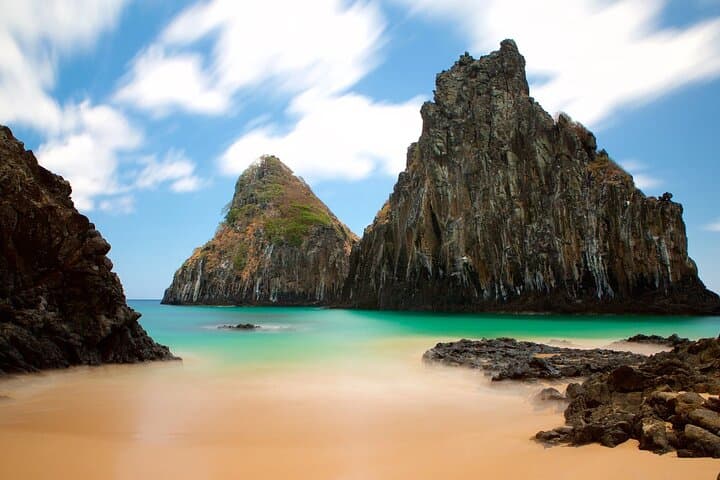
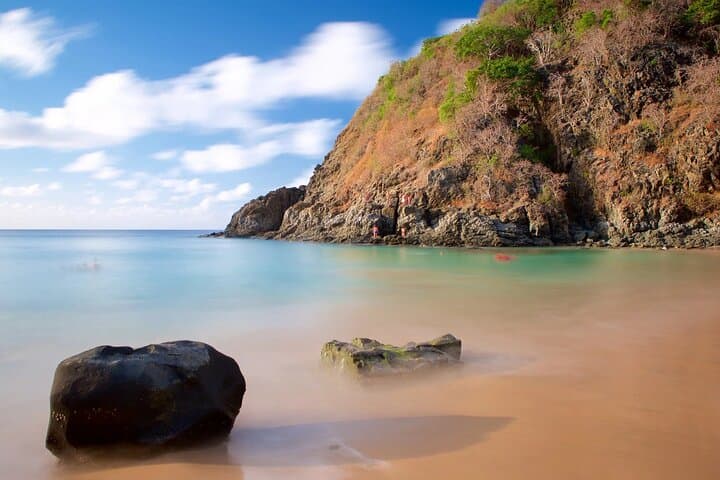
Fernando de Noronha is volcanic in origin and has been shaped by waves and time into a chain of protected marine habitats. The archipelago is part of a UNESCO-recognized marine park; local culture balances small-island fishing traditions with strict conservation rules and an entrance fee that supports preservation. Buraco do Galego at Praia do Cachorro is a geological notch ideal for photos and snorkeling, while Lasca da Velha offers another pocket of sheltered reef life.
The pools are best at low tide when currents slacken and visibility peaks; guides schedule visits around tide charts and sea conditions. Expect short swims between shallow holes, abundant reef fish, and the chance to share a pool with a sea turtle. Photography requires quick reflexes—light changes fast across the rock walls.
Practical guidance: arrive with reef-safe sunscreen, a well-fitting mask, and water shoes for traction on volcanic rock. Respect no-touch rules for corals, follow your guide’s entry and exit points, and plan this 2–3 hour outing into a half-day so you can time it with calm seas. For travelers wanting intimate marine encounters with minimal exertion, these natural pools deliver a concentrated, low-impact taste of Noronha’s underwater world.
easy.
2–3 hours.
Suitable for most fitness levels; involves short swims and easy water entry from boats or rock shelves.
Yes—pools visited on this tour are shallow and protected at low tide; children should be supervised and wear flotation if not confident swimmers.
Some operators provide basic masks and snorkels—confirm with the tour and consider bringing your own for the best fit and hygiene.
If swell or rough seas make pool visits unsafe, many operators replace the trip with an island (Ilha) tour that showcases viewpoints and land attractions instead.
Yes—Fernando de Noronha charges an Environmental Preservation Fee (TPA) for overnight visitors; day visitors may also need to confirm current access requirements with local authorities.
The archipelago formed from volcanic activity and was visited by Portuguese explorers in the early 16th century; its marine ecosystems are now internationally recognized and tightly managed.
Visitors are expected to avoid touching coral, use reef‑safe products, and follow guide instructions; local fees and visitor limits fund habitat protection.
RJ TOP TOUR EXPERIENCE operates guided outdoor trips and adventures with an emphasis on safety, stewardship, and memorable experiences.
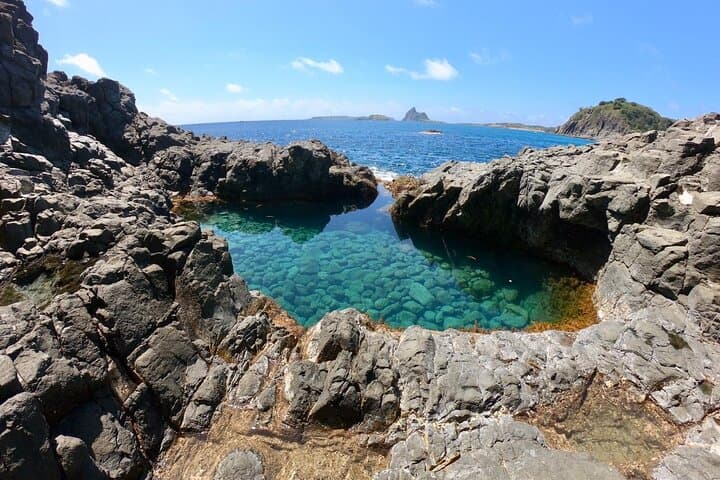
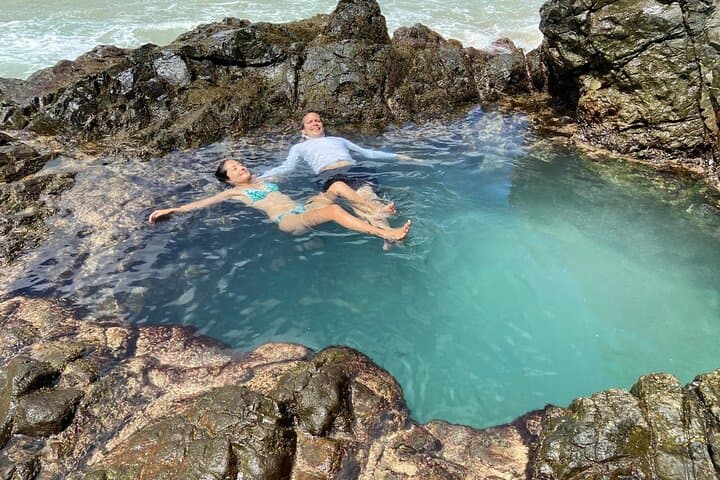
You step off the skiff into a bowl of green-blue water, the sea holding you like a quiet audience. Volcanic rock folds inward to form glassy pools where sunlight sketches the sand and reef; fish braid through the water and a turtle bobs like a slow ship’s mast. This is the first impression at Morro de Fora — calm, clear, insistently alive.
You step off the skiff into a bowl of green-blue water, the sea holding you like a quiet audience. Volcanic rock folds inward to form glassy pools where sunlight sketches the sand and reef; fish braid through the water and a turtle bobs like a slow ship’s mast. This is the first impression at Morro de Fora — calm, clear, insistently alive.
Fernando de Noronha is volcanic in origin and has been shaped by waves and time into a chain of protected marine habitats. The archipelago is part of a UNESCO-recognized marine park; local culture balances small-island fishing traditions with strict conservation rules and an entrance fee that supports preservation. Buraco do Galego at Praia do Cachorro is a geological notch ideal for photos and snorkeling, while Lasca da Velha offers another pocket of sheltered reef life.
The pools are best at low tide when currents slacken and visibility peaks; guides schedule visits around tide charts and sea conditions. Expect short swims between shallow holes, abundant reef fish, and the chance to share a pool with a sea turtle. Photography requires quick reflexes—light changes fast across the rock walls.
Practical guidance: arrive with reef-safe sunscreen, a well-fitting mask, and water shoes for traction on volcanic rock. Respect no-touch rules for corals, follow your guide’s entry and exit points, and plan this 2–3 hour outing into a half-day so you can time it with calm seas. For travelers wanting intimate marine encounters with minimal exertion, these natural pools deliver a concentrated, low-impact taste of Noronha’s underwater world.