THE ADVENTURE COLLECTIVE® · Independent discovery and booking for outdoor travel

Walk through the legacy of EXPO ’70 at Osaka’s Commemorative Park. This three-hour guided route takes you from the Tower of the Sun to the tranquil Japanese Garden with included museum admissions.
Walk through the legacy of EXPO ’70 at Osaka’s Commemorative Park. This three-hour guided route takes you from the Tower of the Sun to the tranquil Japanese Garden with included museum admissions.
You step out at Banpaku Kinen Koen Station and the park opens—broad plazas, elm-lined promenades and the Tower of the Sun looming like a modern sculpture daring you to look closer.
Verified experiences and guided adventures in the surrounding area.
Operated by TripGuru · Suita, Osaka Prefecture
You step out at Banpaku Kinen Koen Station and the park opens—broad plazas, elm-lined promenades and the Tower of the Sun looming like a modern sculpture daring you to look closer.
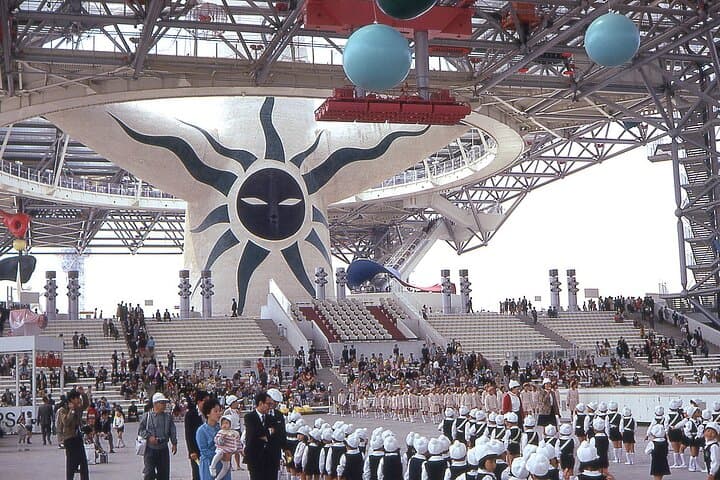
The three-hour walking tour threads through Expo ’70 Commemorative Park, where postwar optimism meets contemporary Osaka. Start with the Tower of the Sun, Taro Okamoto’s iconic work whose three faces read like a public argument about past, present and future. Move into the EXPO ’70 Pavilion to trace the world-expo’s design experiments and Japan’s technological ambitions in 1970. The route then slows in the Japanese Garden, where carefully placed stones and a pond emphasize seasonal change, and finishes with elevated views from the Osaka Wheel—tickets for the Ferris wheel are optional.
Geologically the park sits on Osaka’s flat alluvial plain, shaped by the Yodo River and ideal for a leisurely, accessible walk. Culturally it’s a local playground: festival stages, craft markets and families picnicking beneath cherry and maple trees reveal contemporary uses that layer over the world-expo ruins.
Practical edge: the tour covers paved paths and some short flights of steps totaling about three hours of walking; bring comfortable shoes, sun protection and a small daypack. Admissions for the Tower of the Sun Museum and the EXPO ’70 Pavilion are included; the Wheel is pay-as-you-go. Access is easiest via the Osaka Monorail to Banpaku Kinen Koen Station. Aim for morning or late afternoon light for the best photos and cooler temperatures. Hydrate, carry a copy of your mobile ticket and leave room after the tour to explore Expo City’s shops or a quiet bench in the Japanese Garden.
easy.
3 hours.
Suitable for most fitness levels; involves continuous walking on paved park paths with occasional steps
The tour is three hours and follows paved park routes—expect several kilometers of easy walking with short stair sections.
Yes—the Tower of the Sun Museum and the EXPO ’70 Pavilion admission are included; the Osaka Wheel ticket is not included.
Yes; the route is generally accessible to most ages, but it is not advised for those with serious spinal or heart conditions.
Take the Osaka Monorail to Banpaku Kinen Koen Station; the park entrance and meeting area are a short walk from the station.
Expo ’70 put Suita on the global map; the park preserves structures and artworks from Japan’s first world expo and the Tower of the Sun by Taro Okamoto remains its most famous relic.
Park management balances public access with habitat restoration—stay on trails, dispose of waste in bins and avoid feeding wildlife to protect local species.
TripGuru operates guided outdoor trips and adventures with an emphasis on safety, stewardship, and memorable experiences.
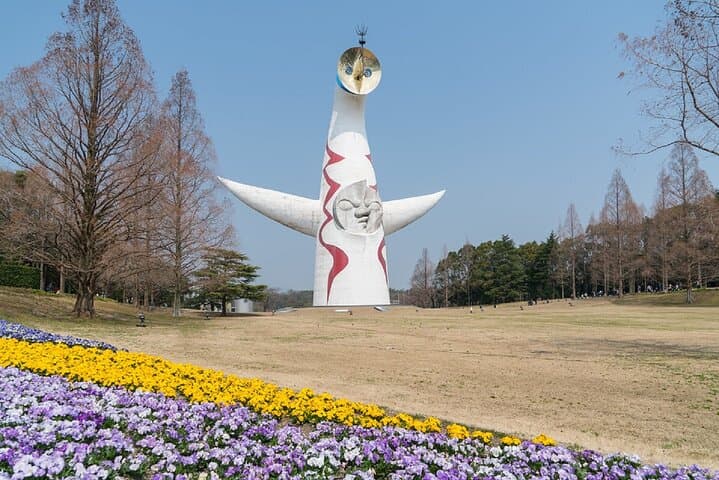
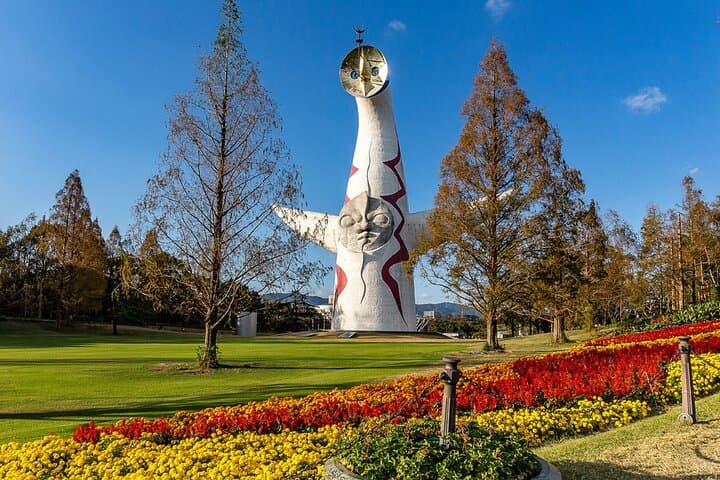
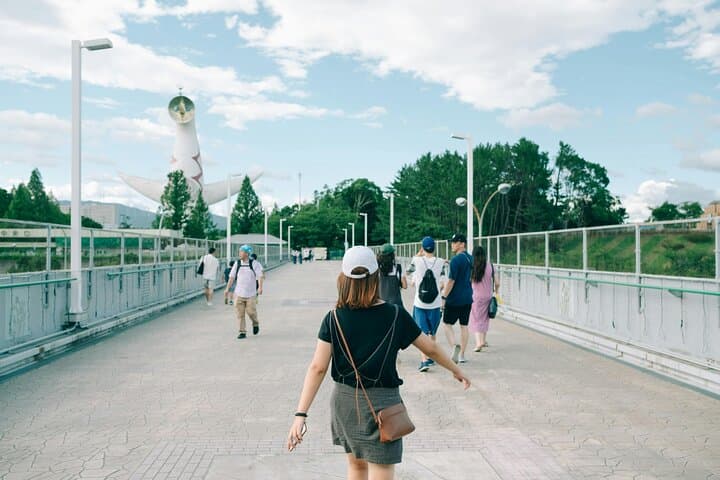
You step out at Banpaku Kinen Koen Station and the park opens—broad plazas, elm-lined promenades and the Tower of the Sun looming like a modern sculpture daring you to look closer.
You step out at Banpaku Kinen Koen Station and the park opens—broad plazas, elm-lined promenades and the Tower of the Sun looming like a modern sculpture daring you to look closer.
The three-hour walking tour threads through Expo ’70 Commemorative Park, where postwar optimism meets contemporary Osaka. Start with the Tower of the Sun, Taro Okamoto’s iconic work whose three faces read like a public argument about past, present and future. Move into the EXPO ’70 Pavilion to trace the world-expo’s design experiments and Japan’s technological ambitions in 1970. The route then slows in the Japanese Garden, where carefully placed stones and a pond emphasize seasonal change, and finishes with elevated views from the Osaka Wheel—tickets for the Ferris wheel are optional.
Geologically the park sits on Osaka’s flat alluvial plain, shaped by the Yodo River and ideal for a leisurely, accessible walk. Culturally it’s a local playground: festival stages, craft markets and families picnicking beneath cherry and maple trees reveal contemporary uses that layer over the world-expo ruins.
Practical edge: the tour covers paved paths and some short flights of steps totaling about three hours of walking; bring comfortable shoes, sun protection and a small daypack. Admissions for the Tower of the Sun Museum and the EXPO ’70 Pavilion are included; the Wheel is pay-as-you-go. Access is easiest via the Osaka Monorail to Banpaku Kinen Koen Station. Aim for morning or late afternoon light for the best photos and cooler temperatures. Hydrate, carry a copy of your mobile ticket and leave room after the tour to explore Expo City’s shops or a quiet bench in the Japanese Garden.