THE ADVENTURE COLLECTIVE® · Independent discovery and booking for outdoor travel

Leave Rome for a full-day private drive into Lazio’s volcanic hills to explore the Etruscan necropolis of Banditaccia, medieval Ceri, and the lakeside charm of Bracciano. This eight-hour tour blends archaeology, architecture, and a relaxed Italian lunch stop.
Leave Rome for a full-day private drive into Lazio’s volcanic hills to explore the Etruscan necropolis of Banditaccia, medieval Ceri, and the lakeside charm of Bracciano. This eight-hour tour blends archaeology, architecture, and a relaxed Italian lunch stop.
The day begins with the city’s stone edges falling away behind you and the highway opening into low, volcanic hills that once fed the lakes of Lazio.
Verified experiences and guided adventures in the surrounding area.
Operated by Best Rome Driver Private Tours · Rome, Lazio
The day begins with the city’s stone edges falling away behind you and the highway opening into low, volcanic hills that once fed the lakes of Lazio.
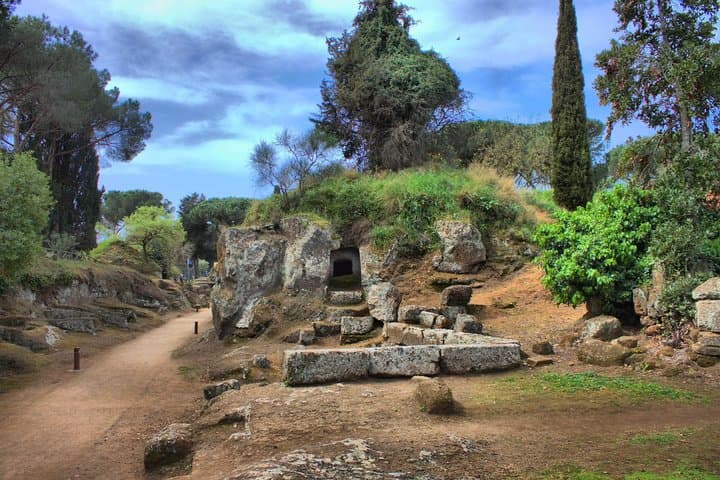
Within an hour you arrive at Cerveteri’s Banditaccia necropolis, where rows of tombs carved from soft tuff stand like miniature houses; wind and rain have given them faces, and the silent courtyards dare you to imagine daily life 2,500 years ago. The landscape here is volcanic—tuff cliffs and fertile plains created by ancient eruptions—so fields and scrub brush alternate with olive groves and vineyards as you move toward Bracciano.
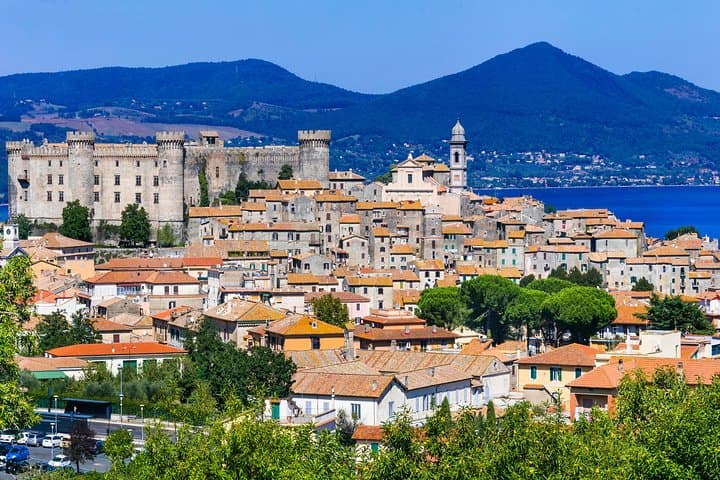
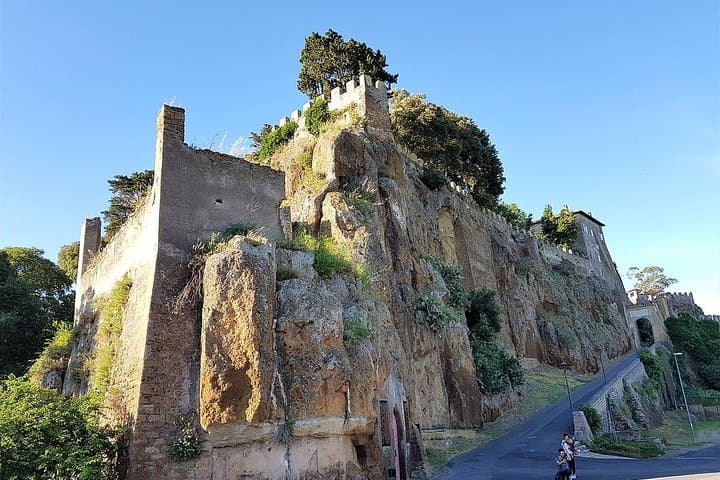
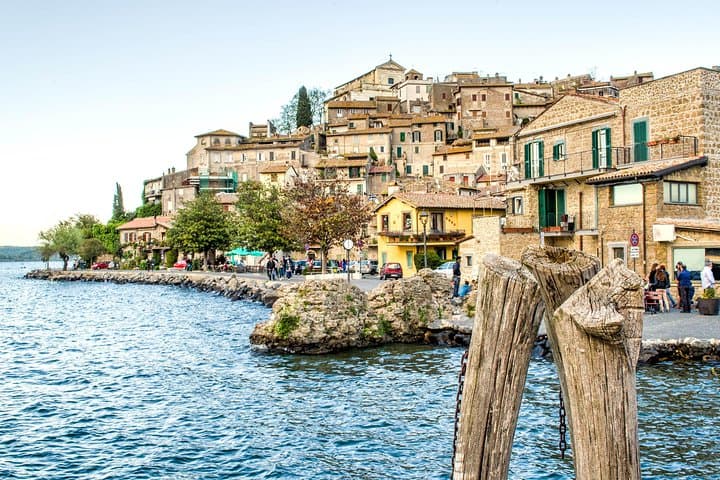
Etruscan society predates Rome and left a deliberate mark: funerary architecture, ritual layouts, and place names that persist in churches and castles. In Ceri, a Romanesque church sits on a site once used for vesta-cult rituals, while nearby Odelscalchi Castle overlooks Lake Bracciano, its stone walls warming to the afternoon light.
Practically, this is a full private day: expect paved walking between sites, short uneven paths at necropolises, and stairs in castles and churches. The tour is chauffeur-driven in an air-conditioned minivan and is customizable; the driver speaks English but is not a licensed archaeological guide. Bring comfortable walking shoes, sunscreen, cash for local trattorias and entrance fees, and time set aside for a lakeside espresso and a slow promenade. If you want guided archaeological detail, arrange a licensed guide in advance. Otherwise, this route is a compact, tactile introduction to Etruscan traces and a calm lakeside finish—ideal for travelers who want history on the move without heavy hiking.
easy.
6–8 hours.
Light walking ability is enough—participants should be comfortable with short walks, stairs, and standing during visits.
No—entrance fees are typically not included; the itinerary states admission is not included for most archaeological sites.
The driver is English-speaking and knowledgeable about the area but is not an accredited archaeological guide; you can request a licensed guide for more detailed interpretation.
The operator lists wheelchair-accessible options, but some sites have uneven terrain and steps; check specific accessibility needs when booking.
Meals are not included; the tour reserves a table at a local trattoria but you pay for your own lunch and beverages.
The Etruscans flourished in central Italy before Rome, leaving complex funerary sites and urban plans that influenced Roman civic architecture.
These archaeological sites are sensitive to wear; stay on marked paths, avoid touching ancient surfaces, and support local conservation by following site rules and using licensed guides.
Best Rome Driver Private Tours operates guided outdoor trips and adventures with an emphasis on safety, stewardship, and memorable experiences.
The day begins with the city’s stone edges falling away behind you and the highway opening into low, volcanic hills that once fed the lakes of Lazio.
The day begins with the city’s stone edges falling away behind you and the highway opening into low, volcanic hills that once fed the lakes of Lazio.
Within an hour you arrive at Cerveteri’s Banditaccia necropolis, where rows of tombs carved from soft tuff stand like miniature houses; wind and rain have given them faces, and the silent courtyards dare you to imagine daily life 2,500 years ago. The landscape here is volcanic—tuff cliffs and fertile plains created by ancient eruptions—so fields and scrub brush alternate with olive groves and vineyards as you move toward Bracciano.
Etruscan society predates Rome and left a deliberate mark: funerary architecture, ritual layouts, and place names that persist in churches and castles. In Ceri, a Romanesque church sits on a site once used for vesta-cult rituals, while nearby Odelscalchi Castle overlooks Lake Bracciano, its stone walls warming to the afternoon light.
Practically, this is a full private day: expect paved walking between sites, short uneven paths at necropolises, and stairs in castles and churches. The tour is chauffeur-driven in an air-conditioned minivan and is customizable; the driver speaks English but is not a licensed archaeological guide. Bring comfortable walking shoes, sunscreen, cash for local trattorias and entrance fees, and time set aside for a lakeside espresso and a slow promenade. If you want guided archaeological detail, arrange a licensed guide in advance. Otherwise, this route is a compact, tactile introduction to Etruscan traces and a calm lakeside finish—ideal for travelers who want history on the move without heavy hiking.