THE ADVENTURE COLLECTIVE® · Independent discovery and booking for outdoor travel

Board a ferry from the Gateway of India and spend a day among basalt temples and a working coastal village. This guided tour combines detailed cave reliefs with local cultural encounters and practical logistics for a full-day outing from Mumbai.
Board a ferry from the Gateway of India and spend a day among basalt temples and a working coastal village. This guided tour combines detailed cave reliefs with local cultural encounters and practical logistics for a full-day outing from Mumbai.
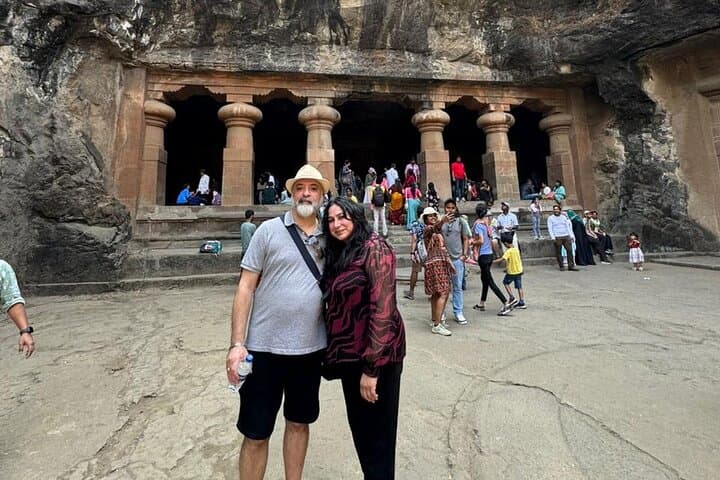
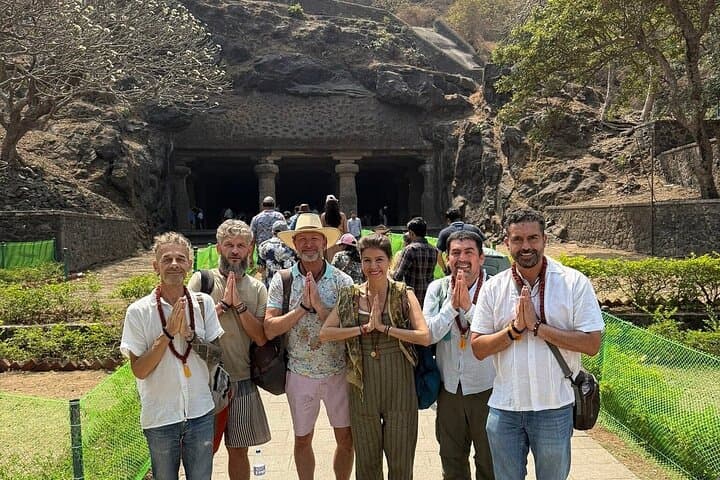
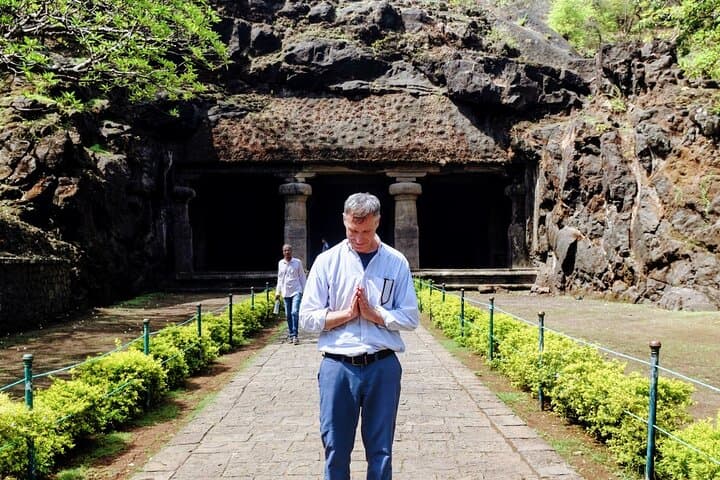
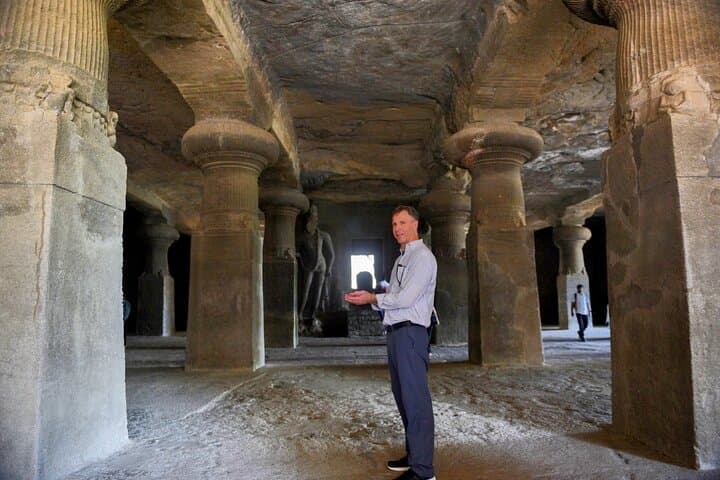
You step off the ferry into a humid gust of sea air; the island opens with a scatter of coconut palms and the low, patient roar of the Arabian Sea. Limestone cliffs rise beside a small fishing settlement, and the path toward the rock-cut caves threads past children playing and vendors selling jasmine garlands. The sound of boots on stone leads you into cool shadow: carved panels, sleeping gods and a courtyard that holds centuries of ceremony.
Verified experiences and guided adventures in the surrounding area.
Operated by Cityscape Mumbai Tours · Mumbai, Maharashtra
You step off the ferry into a humid gust of sea air; the island opens with a scatter of coconut palms and the low, patient roar of the Arabian Sea. Limestone cliffs rise beside a small fishing settlement, and the path toward the rock-cut caves threads past children playing and vendors selling jasmine garlands. The sound of boots on stone leads you into cool shadow: carved panels, sleeping gods and a courtyard that holds centuries of ceremony.
Geology and history are inseparable here. The Elephanta Caves (Gharapuri) are a network of 5th–8th century rock-cut temples hewn from basalt, their reliefs tracing Shaivite myths and regional trade routes that linked western India to maritime networks. The present-day village keeps quieter rhythms — fishermen mending nets, local artisans carving lime-stone trinkets — offering a view of Maharashtra's coastal culture beyond Mumbai's skyline.
Expect a guided route of uneven steps, low-light chambers and open cliffside overlooks. The full excursion runs roughly 6–8 hours including ferry time and transfers from Colaba’s Gateway of India. Bring water, sun protection and comfortable, grippy footwear: some stairways and paths are steep and polished by centuries of feet. Respect the archaeological sites — no climbing on sculptures — and carry small change for boat operators and local stalls. Midday heat can be intense; early departures offer softer light for photography and quieter temple rooms. The tour balances cultural interpretation with the practicalities of boat schedules and island facilities, making it a manageable, revealing day trip from central Mumbai.
easy.
6–8 hours.
Suitable for travellers in average physical condition who can manage stairs and short uphill walks.
The passenger ferry takes about 60–90 minutes each way depending on sea conditions and the route.
No; the main cave complex requires climbing a significant set of stone steps, making access difficult for wheelchairs and limited mobility.
Most guided tours include cave admission fees and local permits; confirm at booking for clarity on inclusions.
Yes, small shops and stalls sell snacks and bottled water, but selection is basic and prices may be higher than on the mainland.
Gharapuri’s rock-cut temples date to roughly the 5th–8th centuries and were major Shaivite shrines linked to regional maritime trade.
The caves are fragile basalt carvings; avoid touching reliefs and follow guide instructions to reduce wear. Tourism revenues support local conservation and village livelihoods.
Cityscape Mumbai Tours operates guided outdoor trips and adventures with an emphasis on safety, stewardship, and memorable experiences.
You step off the ferry into a humid gust of sea air; the island opens with a scatter of coconut palms and the low, patient roar of the Arabian Sea. Limestone cliffs rise beside a small fishing settlement, and the path toward the rock-cut caves threads past children playing and vendors selling jasmine garlands. The sound of boots on stone leads you into cool shadow: carved panels, sleeping gods and a courtyard that holds centuries of ceremony.
You step off the ferry into a humid gust of sea air; the island opens with a scatter of coconut palms and the low, patient roar of the Arabian Sea. Limestone cliffs rise beside a small fishing settlement, and the path toward the rock-cut caves threads past children playing and vendors selling jasmine garlands. The sound of boots on stone leads you into cool shadow: carved panels, sleeping gods and a courtyard that holds centuries of ceremony.
Geology and history are inseparable here. The Elephanta Caves (Gharapuri) are a network of 5th–8th century rock-cut temples hewn from basalt, their reliefs tracing Shaivite myths and regional trade routes that linked western India to maritime networks. The present-day village keeps quieter rhythms — fishermen mending nets, local artisans carving lime-stone trinkets — offering a view of Maharashtra's coastal culture beyond Mumbai's skyline.
Expect a guided route of uneven steps, low-light chambers and open cliffside overlooks. The full excursion runs roughly 6–8 hours including ferry time and transfers from Colaba’s Gateway of India. Bring water, sun protection and comfortable, grippy footwear: some stairways and paths are steep and polished by centuries of feet. Respect the archaeological sites — no climbing on sculptures — and carry small change for boat operators and local stalls. Midday heat can be intense; early departures offer softer light for photography and quieter temple rooms. The tour balances cultural interpretation with the practicalities of boat schedules and island facilities, making it a manageable, revealing day trip from central Mumbai.