THE ADVENTURE COLLECTIVE® · Independent discovery and booking for outdoor travel

A private full-day tour that pairs a ferry crossing with guided exploration of Elephanta’s cave temples. Learn the island’s layered history, see towering Shiva reliefs and plan your visit with practical tips on timing and gear.
A private full-day tour that pairs a ferry crossing with guided exploration of Elephanta’s cave temples. Learn the island’s layered history, see towering Shiva reliefs and plan your visit with practical tips on timing and gear.
You step off the ferry with sea spray still on your cheeks and the island’s raw rock face rising before you — an abrupt sheet of basalt carved into sanctuaries, stairways and shallow courtyards. The boat pushes away, leaving a rim of Mumbai’s skyline across the water while the island draws you inward: cool shadowed chambers, carved panels of Shiva, and the quiet scuff of other travelers’ shoes on ancient stone.
Verified experiences and guided adventures in the surrounding area.
Operated by taxiGo Limo Airport Service · Elephanta Island (Gharapuri), Maharashtra
You step off the ferry with sea spray still on your cheeks and the island’s raw rock face rising before you — an abrupt sheet of basalt carved into sanctuaries, stairways and shallow courtyards. The boat pushes away, leaving a rim of Mumbai’s skyline across the water while the island draws you inward: cool shadowed chambers, carved panels of Shiva, and the quiet scuff of other travelers’ shoes on ancient stone.
Elephanta (Gharapuri) is a UNESCO World Heritage Site whose principal cave temples celebrate Hindu iconography centered on Shiva; the major sculptures are generally dated to the mid-first millennium CE, though the island contains earlier Buddhist mounds and water tanks. Geologically the caves are hewn from flood-basalt flows, and centuries of monsoon and salt air have softened edges and deepened patina on the carvings. Local guides will point out the epic Trimurti reliefs, the subtle weathering patterns and small, often-overlooked Buddhist remains.
Practically, the day is a blend of short boat crossings and moderate walking across uneven steps and rocky paths. Expect narrow stairways, low light in the chambers, and open-air viewpoints with panoramic harbor views. Travel mid-morning or late afternoon to avoid the midday heat; bring water, sun protection, and footwear with grip. Photography is allowed but avoid touching sculptures. The island’s rhythms are straightforward: a ferry ride, an interpretive walk through three main cave complexes, a climb for viewpoint photos and a relaxed return to the city. With a guide, the site’s art, history and geological contours resolve into a sharply memorable day outside the bustle of Mumbai.
easy.
6 hours.
Suitable for most fitness levels; requires ability to climb steps and walk on uneven surfaces for several hours.
This private option runs about six hours from pickup to drop-off, including ferry time and guided exploration on the island.
Yes — the caves require climbing stone steps and negotiating narrow, low-ceiling chambers; take your time and use handrails where provided.
Most private tours include ferry and cave admission; confirm with your operator before booking to avoid surprises.
Access is limited — steep steps and uneven terrain make the main caves largely inaccessible for wheelchairs or standard strollers.
The island’s major rock-cut temples and reliefs date mainly from the mid-first millennium CE and are dedicated to Shiva; the site also contains earlier Buddhist remains and later colonial-era fortifications.
Salt air, tourism wear and monsoon runoff accelerate erosion of the reliefs; visitors should avoid touching carvings, carry out trash and follow designated paths.
taxiGo Limo Airport Service operates guided outdoor trips and adventures with an emphasis on safety, stewardship, and memorable experiences.
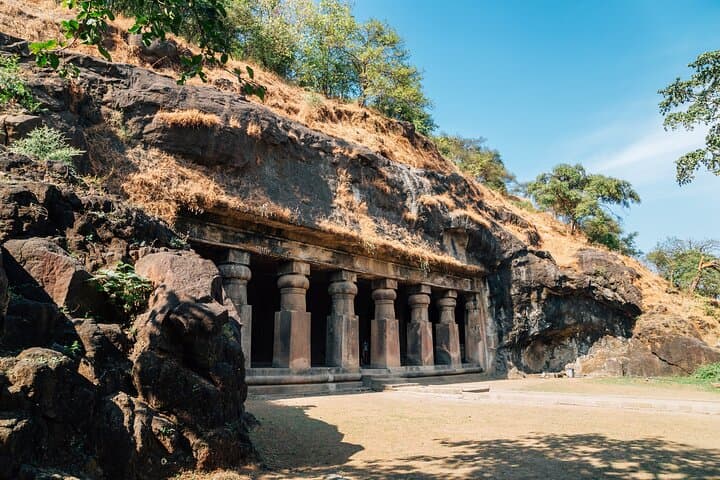
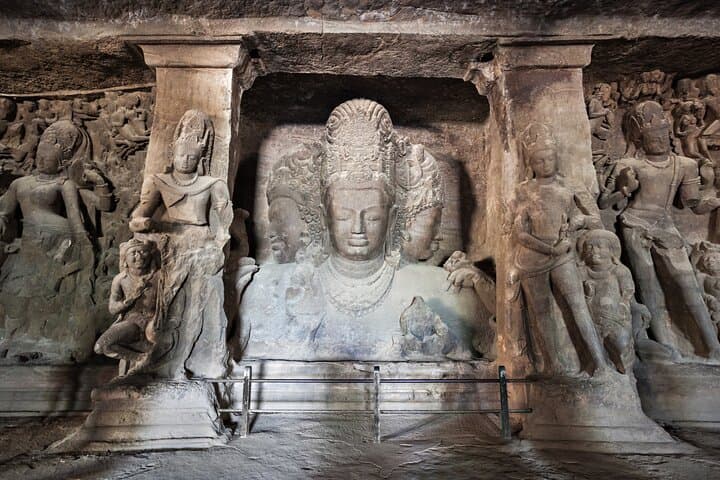
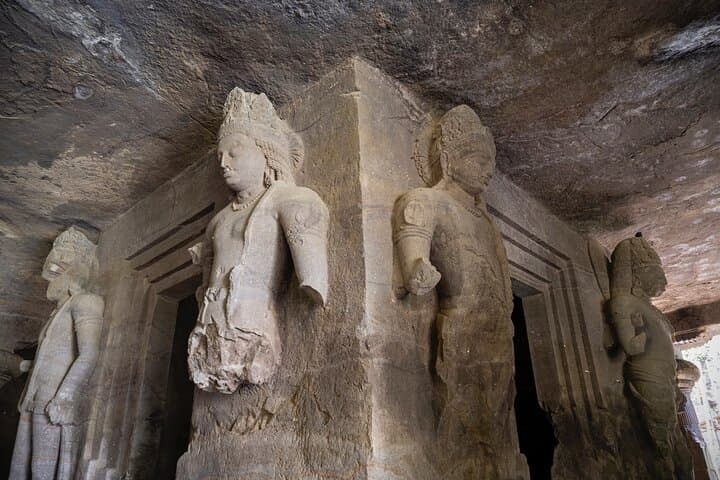

You step off the ferry with sea spray still on your cheeks and the island’s raw rock face rising before you — an abrupt sheet of basalt carved into sanctuaries, stairways and shallow courtyards. The boat pushes away, leaving a rim of Mumbai’s skyline across the water while the island draws you inward: cool shadowed chambers, carved panels of Shiva, and the quiet scuff of other travelers’ shoes on ancient stone.
You step off the ferry with sea spray still on your cheeks and the island’s raw rock face rising before you — an abrupt sheet of basalt carved into sanctuaries, stairways and shallow courtyards. The boat pushes away, leaving a rim of Mumbai’s skyline across the water while the island draws you inward: cool shadowed chambers, carved panels of Shiva, and the quiet scuff of other travelers’ shoes on ancient stone.
Elephanta (Gharapuri) is a UNESCO World Heritage Site whose principal cave temples celebrate Hindu iconography centered on Shiva; the major sculptures are generally dated to the mid-first millennium CE, though the island contains earlier Buddhist mounds and water tanks. Geologically the caves are hewn from flood-basalt flows, and centuries of monsoon and salt air have softened edges and deepened patina on the carvings. Local guides will point out the epic Trimurti reliefs, the subtle weathering patterns and small, often-overlooked Buddhist remains.
Practically, the day is a blend of short boat crossings and moderate walking across uneven steps and rocky paths. Expect narrow stairways, low light in the chambers, and open-air viewpoints with panoramic harbor views. Travel mid-morning or late afternoon to avoid the midday heat; bring water, sun protection, and footwear with grip. Photography is allowed but avoid touching sculptures. The island’s rhythms are straightforward: a ferry ride, an interpretive walk through three main cave complexes, a climb for viewpoint photos and a relaxed return to the city. With a guide, the site’s art, history and geological contours resolve into a sharply memorable day outside the bustle of Mumbai.